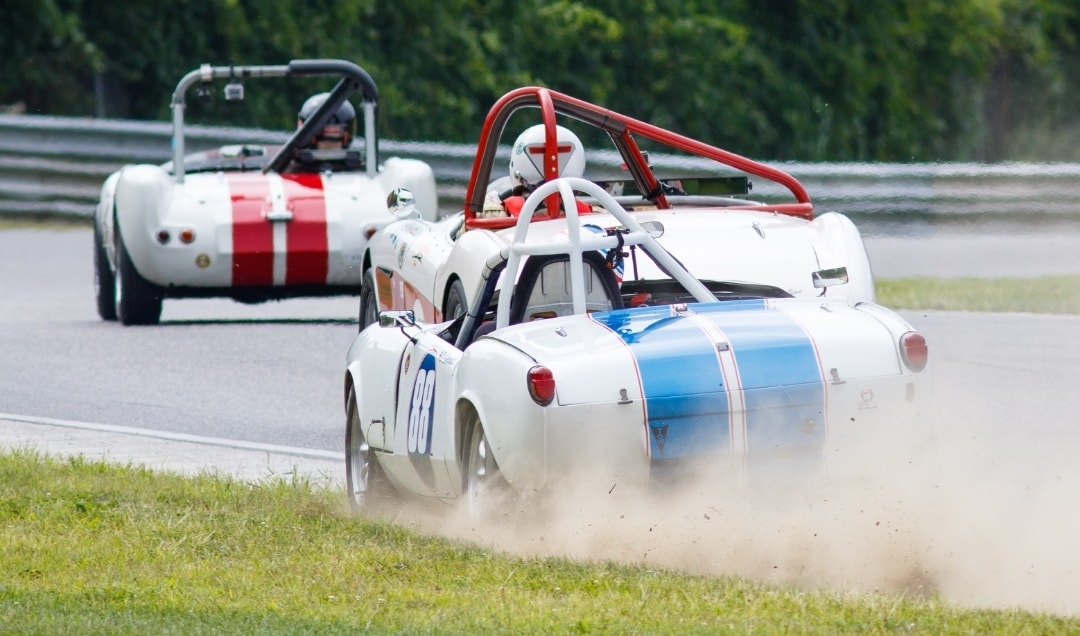
The Deutsche Tourenwagen Meisterschaft (DTM) Was Art In Motion, Here’s The Reasons Why!

In the world of motorsports, Touring Cars is one of the most revered racing series going. Unlike Formula 1 or Rally Racing, the whole ethos of Touring Cars is to have close racing between top drivers and top teams whilst driving cars you would normally see parked on the street. Back in the early days of touring cars, a phrase was coined. That phrase was ‘Race on Sunday, Buy on Monday’. This phrase was coined so people would watch the close racing on Sunday and then hopefully buy the road-going version of the race car on Monday. For decades, that simple phrase created rivalries both on & off the track and has created many memories along the way.

Unfortunately, in this day and age, it seems that Touring cars have somewhat lost their way. Sure the racing is still very close and there are top teams from all over the country taking part but it seems to have lost its edge. Back in the eighties & nineties, this was different. In the UK we had the likes of the ‘SuperTouring Era’ of the British Touring Car Championship (BTCC) but in Germany, they had something even better called the ‘Deutsche Tourenwagen Meisterschaft’ or ‘DTM’ for short.
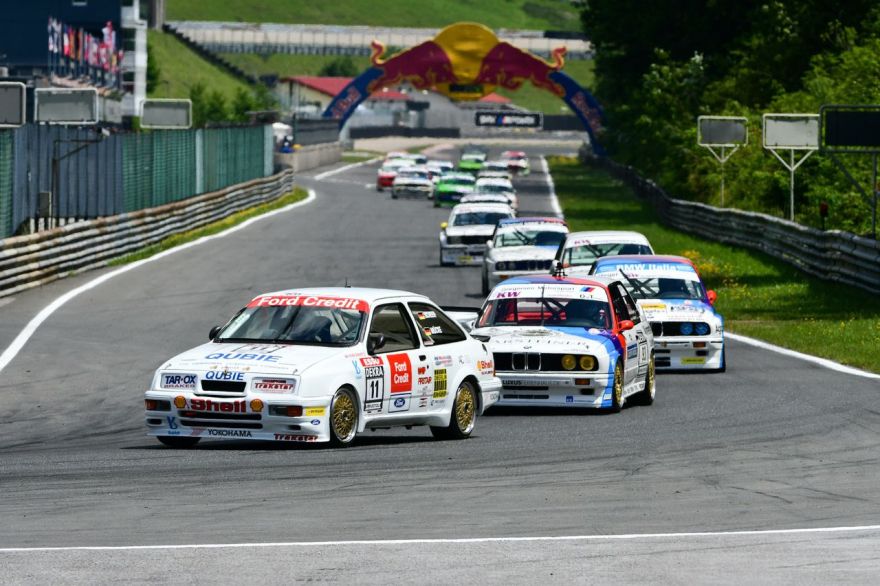
DTM was the epitome of touring car racing during the 80s and the 90s. DTM was established way back in 1984 and whilst that doesn’t sound too long ago, it would’ve been 40 years old last year. Originally featuring races at iconic German circuits, the series started to really gain traction towards the late eighties and early nineties.

The main reason for the increased traction during those times was due to a lot of different factors. Firstly, the racing was incredibly close. It was completely normal to see multiple battles happening throughout the field of cars. Talking of cars, a lot of the popularity came from the cars themselves. Compared to the SuperTouring Era of BTCC mentioned earlier, the DTM Cars were completely different gravy.

You had a plethora of different manufacturers competing against one another with a lot of those cars being homologation specials. These included the BMW E30 M3, the Mercedes-Benz 190E Evo II, the Opel/Vauxhall Calibra DTM, the Ford Sierra RS500, the Audi V8 Quattro & of course the Alfa 155 V6.
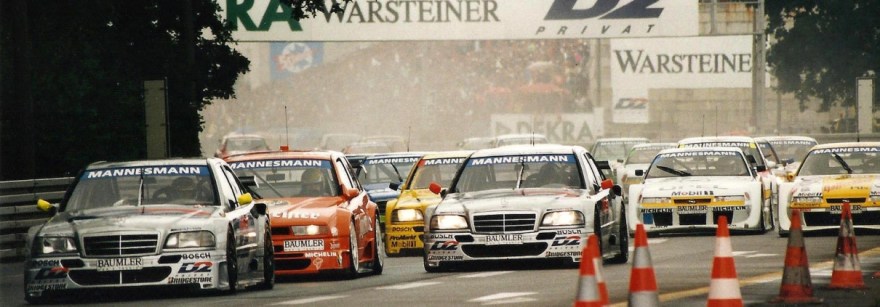
Every car that competed also had different characteristics as well, Take the M3 DTM for example. Based upon the second generation BMW 3 Series (E30), the E30 generation of the M3 was the first generation of the M3 model that has become synonymous with high-performance motoring. When competing in the DTM series, it soon became one of the most prolific race cars to ever exist.
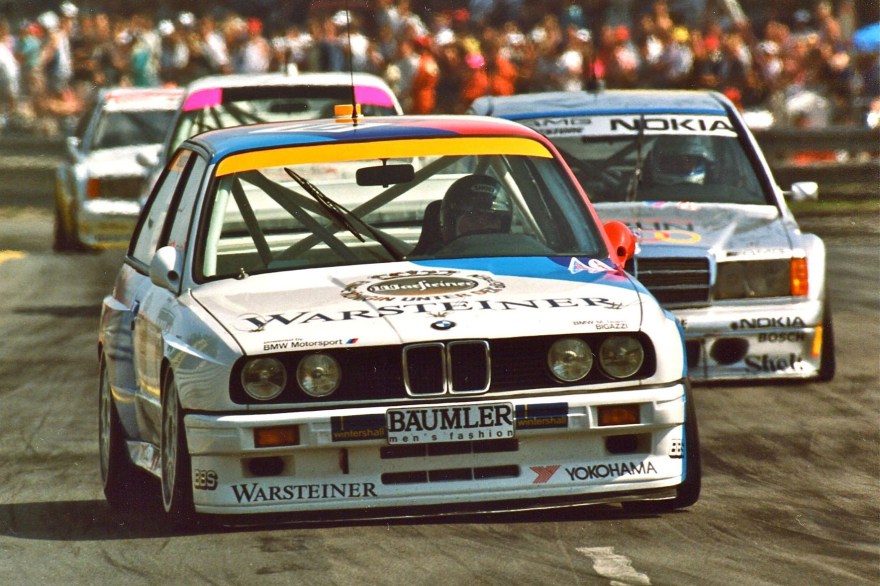
With Its light weight, it’s superb handling & powerful engine, it was no surprise the M3 became a legendary car in the DTM series during the 1990s. With the BMW becoming a very successful race car, it had a lot of stiff competition and rightly so.
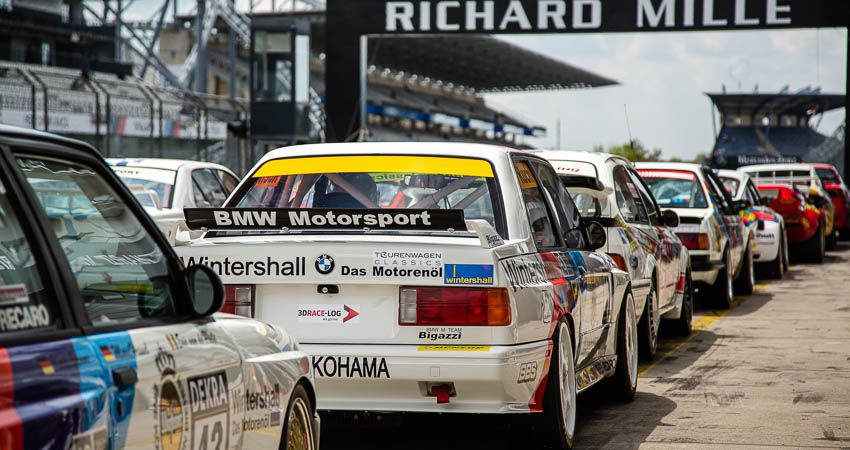
One of these competitors was Mercedes-Benz. As any motorsports fan knows, Mercedes-Benz has a lot of history on the race tracks and even now in 2025, they’re still at it in both Formula 1 and WEC/GT racing. During the days of DTM, they took the humble 190E, shipped it to the UK to create the M3-rivalling 190E Cosworth 2.3-16 and then improved it even more to create the two homologation models, the Evo I and then the insane Evo II.

While the Deutsche Tourenwagen Meisterschaft was first contested by privately entered Mercedes-Benz 190E 2.3-16s in 1986, it wasn’t until 1988 that Mercedes themselves made its factory debut in the competition.
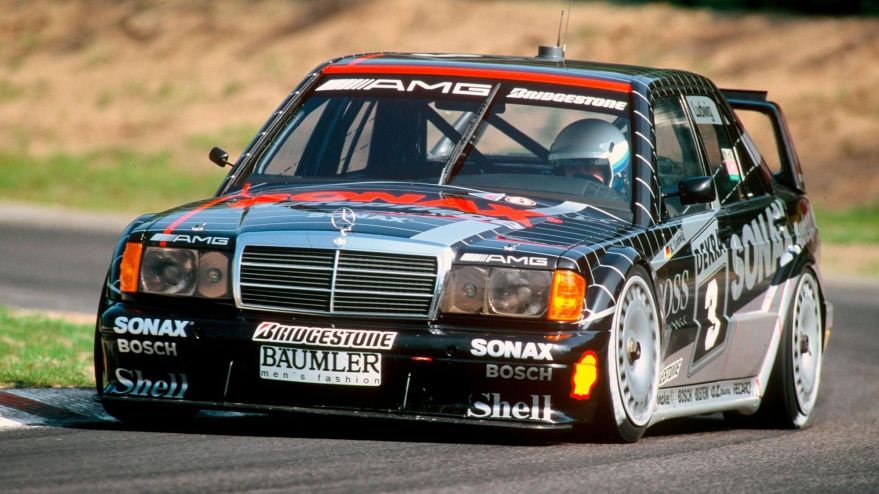
Mercedes had designs to conquer the field alongside its long-time technical partner, AMG. Incumbent champion, Klaus Ludwig, was taken from Ford to Mercedes-Benz’s 1989 campaign, unfortunately, the first three seasons didn’t entirely go to plan and were deemed to be an underachievement.
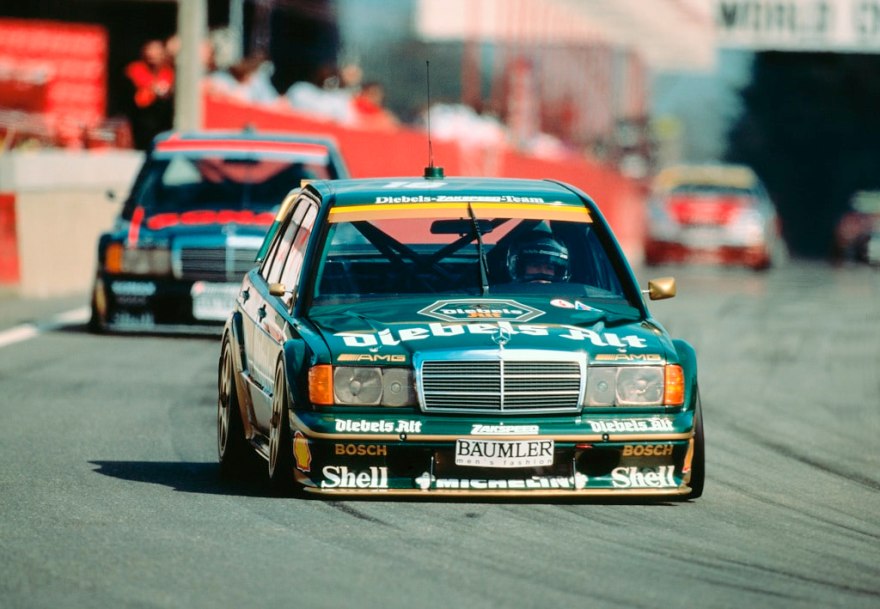
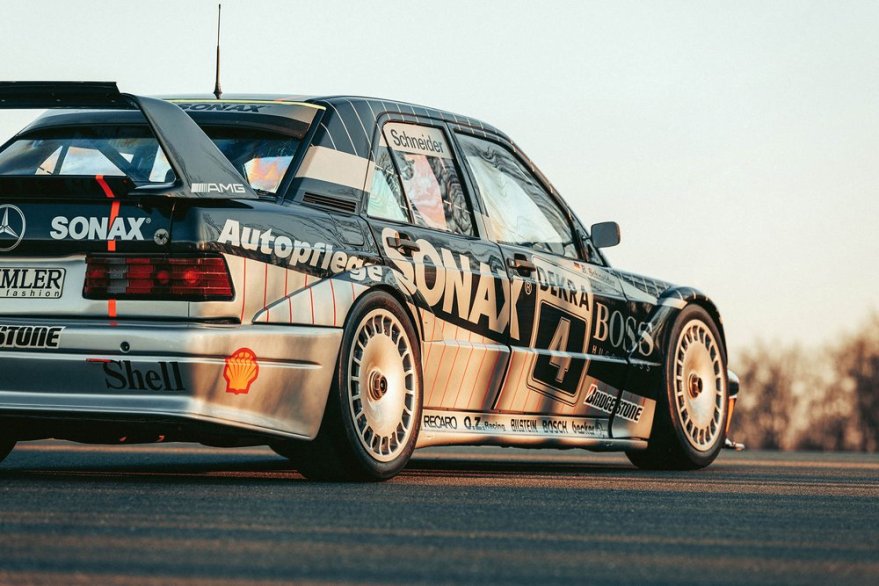
For the ’92 season, Mercedes-Benz decided to recruit Bernd Schneider to join Ludwig, Keke Rosberg and Ellen Lohr as AMG’s four-car “super team”. By this point, the 190E had become the now infamous ‘Evo II’ model. This version of the 190E was striking, to say the least.
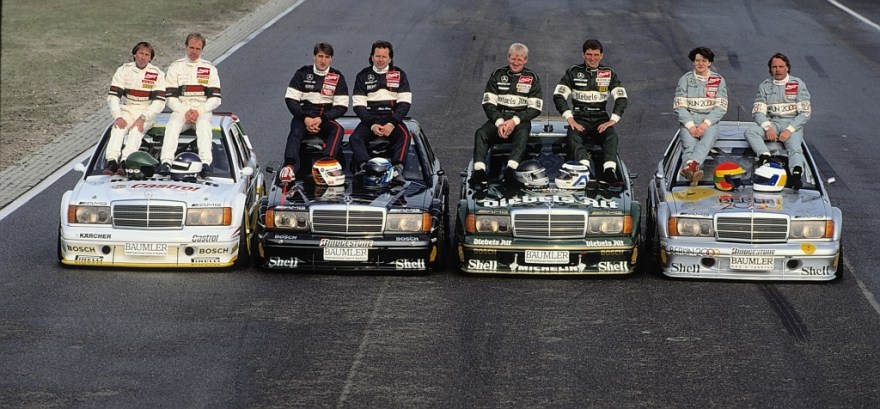
With deep front and rear bumpers, a wider track & big wheels that sit under widened arches and a rear wing that would make a Subaru Impreza jealous, the 190E Evo II was the ultimate version of an already fantastic car. True eighties excess in all of its glory.
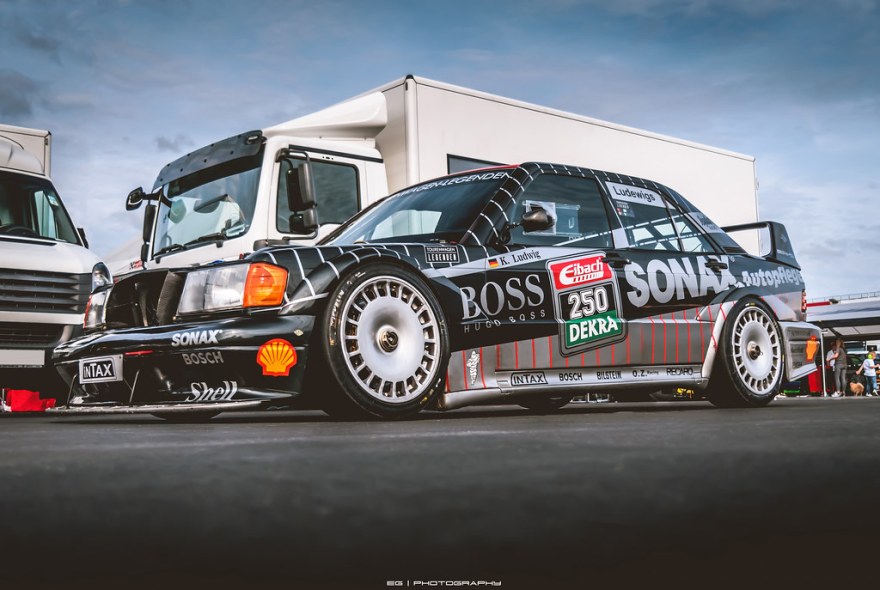
Powered by a 2.5 16v 4-cylinder engine putting out about 330bhp, the Evo II could hit 185mph in race trim. This made it one of the fastest cars on the grid at the time. The Evo II was so successful on track that it soon started a rivalry between BMW and Mercedes-Benz fans the world over. BMW and Mercedes-Benz believed they had the motorsport on lock at one point. Still, there was also one particular manufacturer that had a very successful multi-decade motorsports history that was about to cause absolute chaos on the grid. The manufacturer in question?! Well, that was Ford of course!
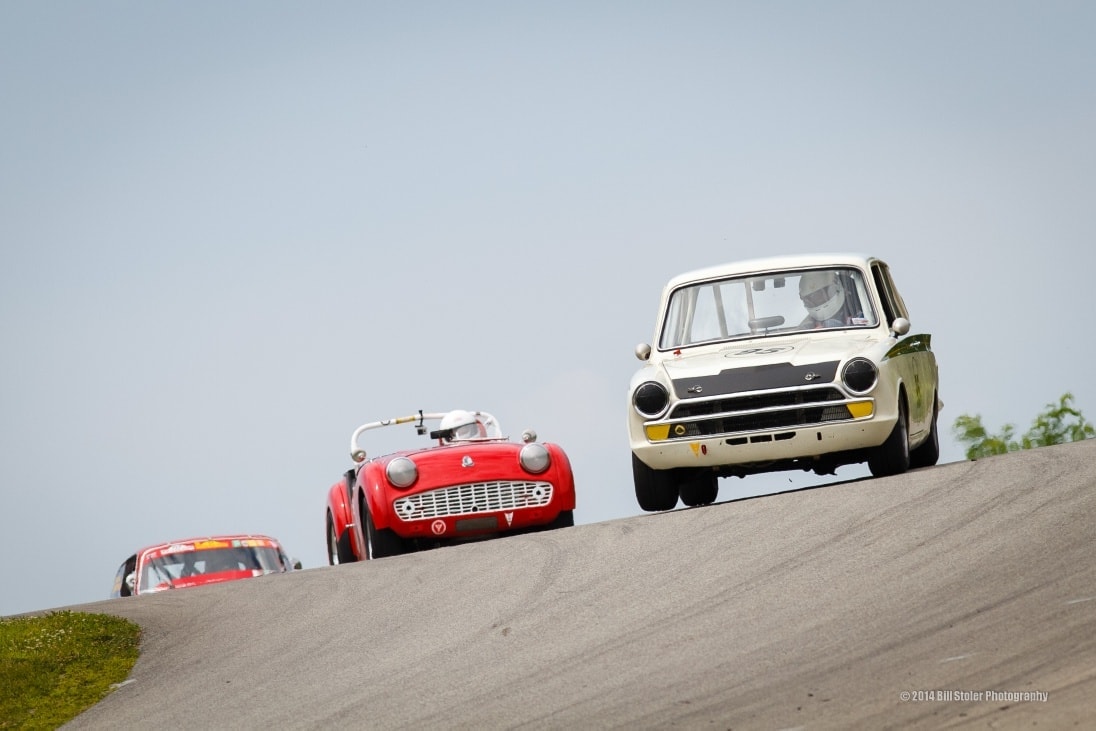
Ford has had a rich history of creating lightweight but incredibly quick race cars over the years. during the 1960s, they decided to take the humble Cortina model from their lineup and send it to Lotus Cars so that they could tweak it for race use and thus the Lotus Cortina was created. The Cortina soon became one of the most successful race cars of Its period and soon paved the way for even quicker and even more lairy race cars to succeed it. During the 1980s, Ford decided to use the then-new Ford Sierra as its base for true world domination and boy did they succeed.
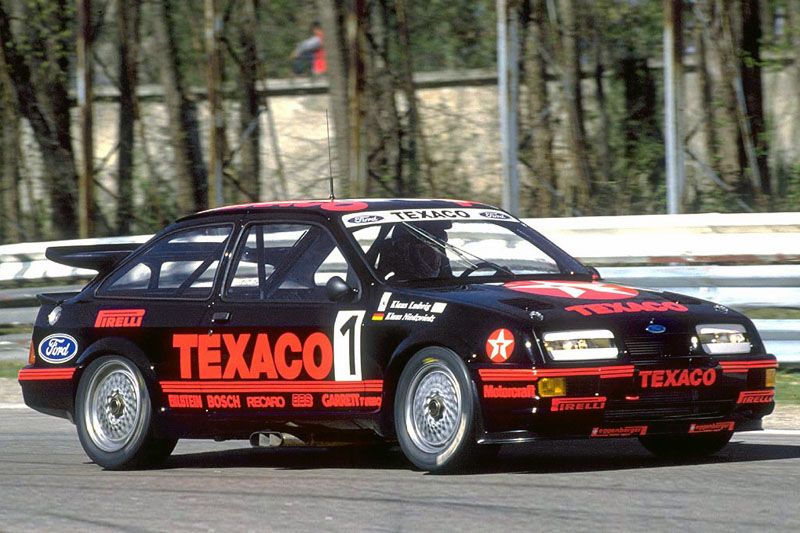
Starting in 1985, the Sierra started to make waves in touring car races under the guise of Andy Rouse. Andy was a very competitive driver in the BTCC Championship during the eighties and in 1985 he decided to pilot a Merkur XR4Ti in the hopes that something good could come out of it and boy was he onto something. The Merkur variant of the Sierra wasn’t actually sold in Europe under that badge so the ’85 race car was an import that was brought over from America to go racing.

The Merkur race car soon became very successful, and Ford themselves started to take notice of the prowess the humble Sierra was capable of. This caused Ford to go full steam ahead both in marketing and in setting up factory race cars. The outcome of all this birthed one of the most notable road and race cars of all time—the Ford Sierra RS Cosworth!
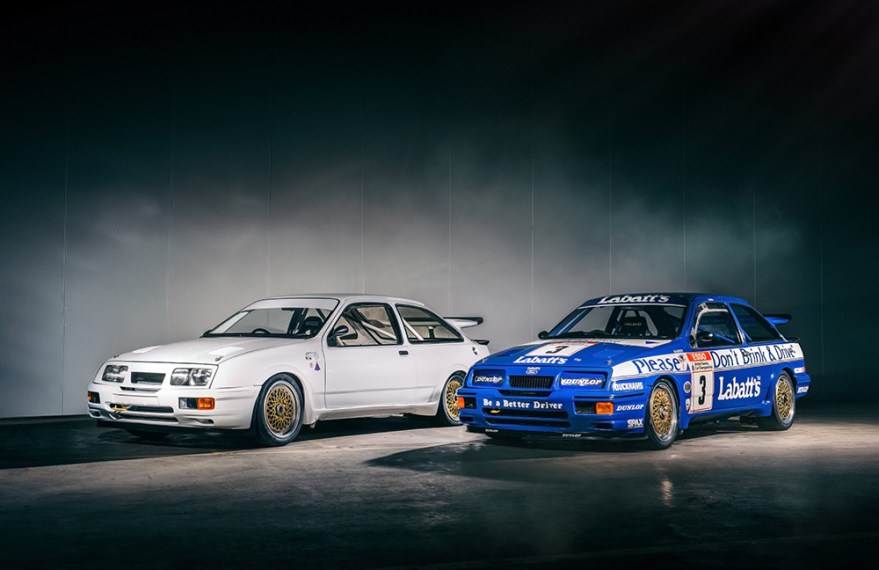
Now, the Ford Sierra RS Cosworth doesn’t really need an introduction to anybody but if there is anyone out there who has never heard of such a legend, as the name suggests Ford Europe took a batch of their 2.0-litre four-cylinder ‘Pinto’ engines to Cosworth in the UK to create one of the best performing four-cylinder engines to ever exist – the Cosworth YB! This engine might have come from humble beginnings but with the know-how of Cosworth and their mechanical know-how alongside the use of a turbocharger the size of a dustbin lid, the RS Cosworth was born to rip up every single rulebook that was ever created.
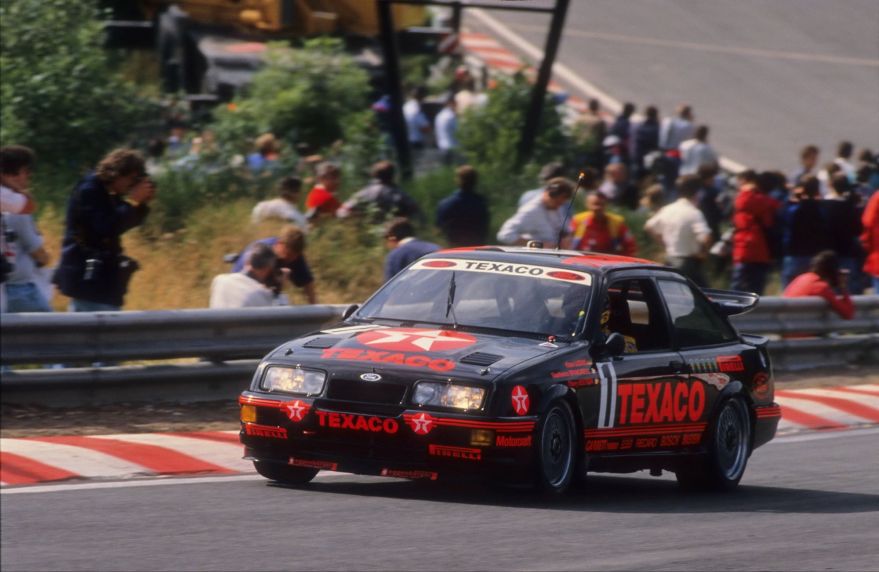
To go racing, Ford Europe decided to make a hardcore, race-ready version of the regular RS Cosworth that was built with the intent of going racing. They decided to call the Homologation car the Sierra Cosworth RS500. If the regular Cosworth was considered to be an absolute weapon then the RS500 was an absolute force to be reckoned with. Power was upped from 205 bhp to 225 bhp which might not sound like much but for the eighties that was a significant boost. This was done by fitting a larger T04 turbocharger, thicker and more durable cylinder walls in the block of the actual engine itself as well as other goodies like a larger air-to-air intercooler, an upgraded oil cooler system, an upgraded fuel pump & injectors and a reworked induction system to name a few.

This meant that when it came to the race cars, they were putting well over 500bhp through the rear wheels. That’s a lot when you remember that these cars didn’t have any driver-aids whatsoever and were as light as possible. The only thing you had to keep the car on track was the aerodynamics and the massive cahonies of the drivers that used to pilot these things. A truly different era of motorsport.
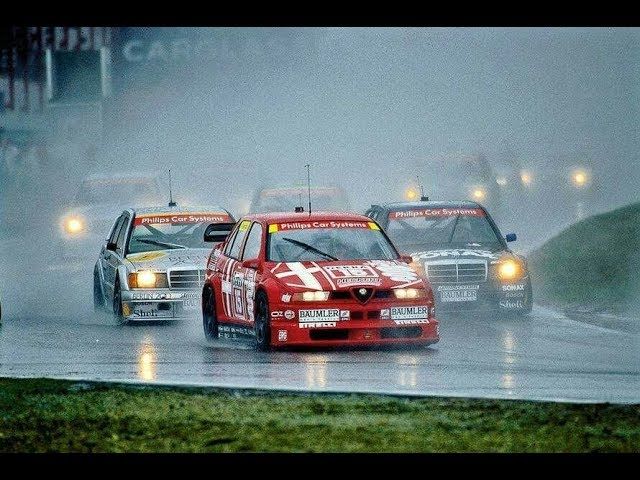
By the nineties, a lot of manufacturers who were already known for taking part in other types of motorsports were starting to take notice of the DTM races series. Three of these manufacturers were Audi, Alfa Romeo & Opel. With technology becoming more and more apparent, these three companies decided to push the boundaries even further than those who were already competing during the eighties.

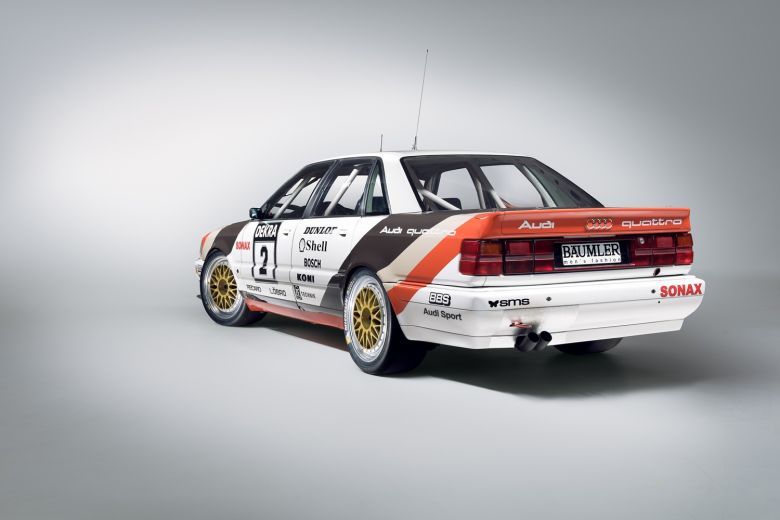
Audi entered the scene in 1990 with a racing variant of their V8 Sport Quattro. Powered by a 3.6 V8 engine, this was a completely different animal from the turbocharged cars of the era. Even so, it didn’t take long for the Audi to prove itself with its advanced for-the-time technology and AWD system. Even though it faced fierce competition from the BMW M3 and the 190E Evo II, the Audi was a lot more stable and with its V8 powertrain could easily keep up and even outperform the rivals.
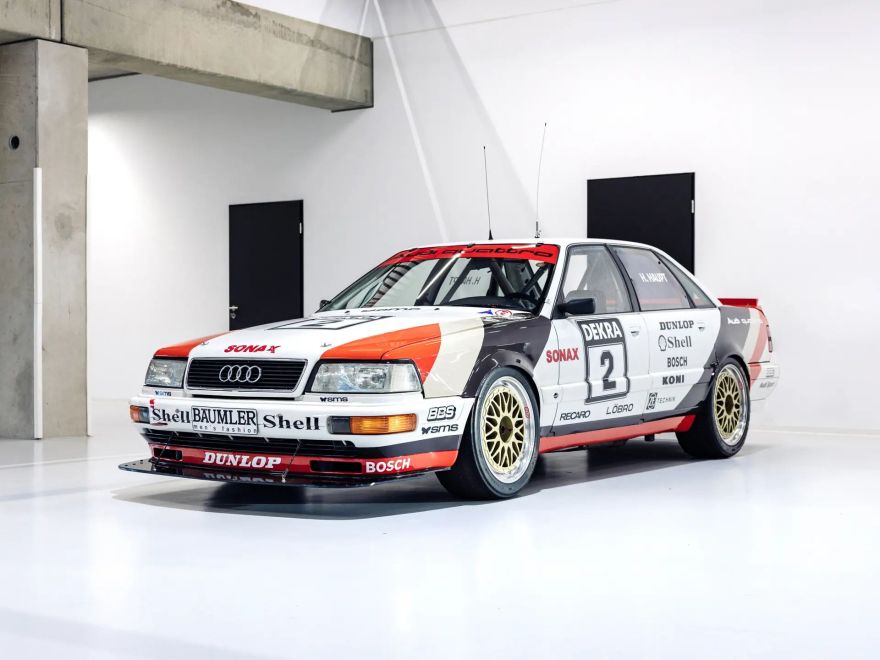
No surprise really when you remember that Audi had completely torn apart the Group B rally era of racing with their infamous UR Quattro. If anyone was going to show the other teams who was boss then it had to be Audi. The thing is though, Audi wasn’t the only one who had come from the rally scene and then transferred to the touring car scene and had massive success.
The guys at Opel decided that they wanted to be a part of the action too. Now just like Audi, Opel had also had a lot of history in the world of rallying with both the Manta and the Kaddett. However, unlike Audi, Opel and their UK sister company Vauxhall had a lot of experience on race tracks as well with both the MK2 Astra & the MK3 Cavalier respectively being very competitive in the UK.
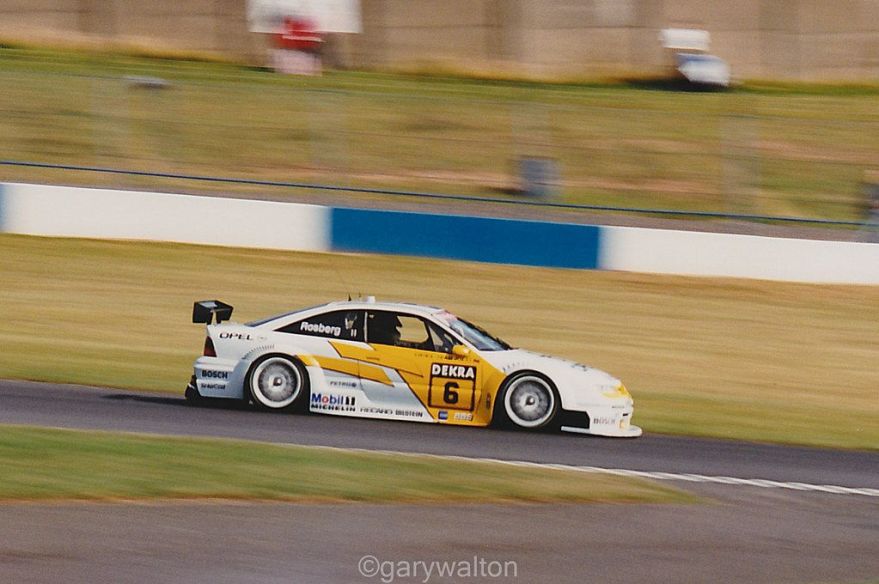
For the DTM series, Opel decided to use the very pretty Calibra V6 as the basis for their latest track monster and by god was it good. The standard road car was a brilliant bit of kit and was once the most aerodynamic car in the world upon Its release in 1989. Upon its entry into DTM in 1993, the Calibra V6 DTM soon made a name for itself very quickly.
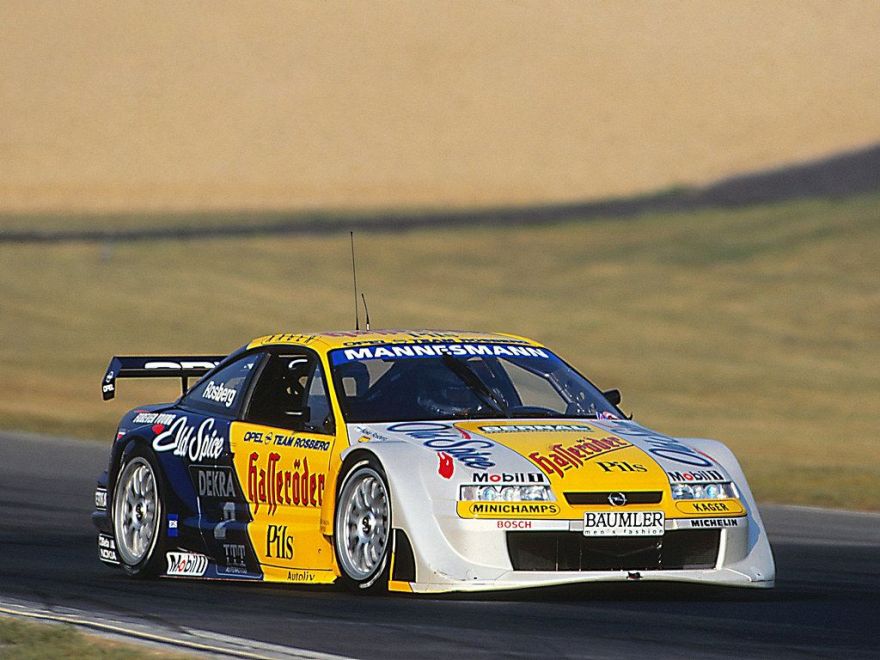
See, in 1993 the DTM series went through a lot of changes and one of those changes was the regulations. during the eighties, the DTM cars were all under Group A regulations which created incredible battles but by the end were seen as being out of control and had performance figures nowhere near their road-going counterparts. The Calibra on the other hand was one of the first cars to compete in the then-new Class 1 regulations.
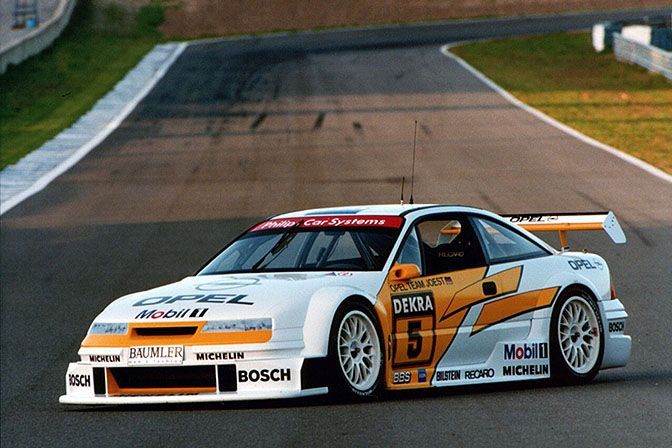
Class 1 regulations were brought in to improve the competition and make it a level playing field compared to Group A, which would unite more fans and teams to the sport. To make the racing more competitive, engines were capped at 4.0 V8s that could put out anywhere between 450bhp-500bhp depending on track & setup. There was also a weight limit of anywhere between 1100kg-1200kg depending on configuration & track layout.
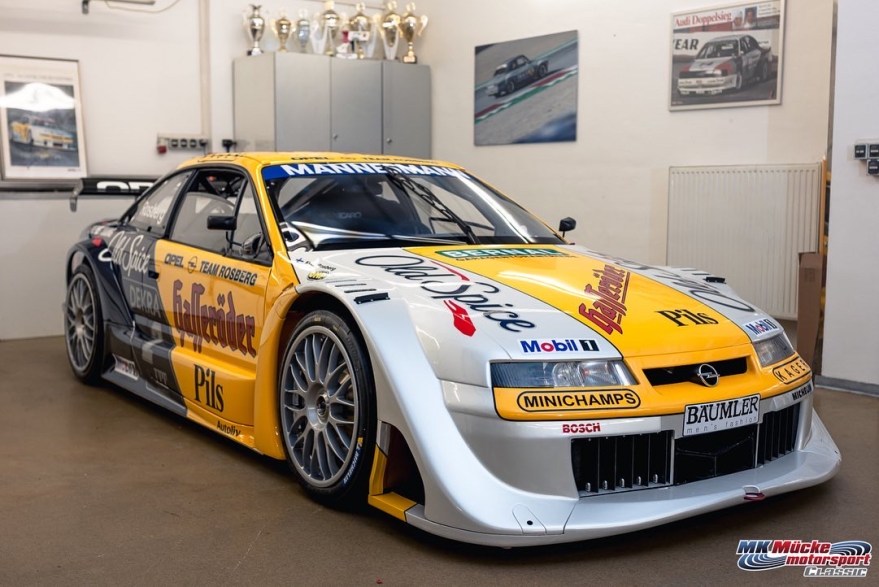
The Opel wound up bringing a lot of fans to DTM and it has become one of the most infamous race cars to ever compete in the series. With an AWD system similar to that of Audi’s Quattro system, the Calibra could put its power down even in the poorest of conditions. Add in the power from that mighty V6 engine and its ferocious power going through a 6-speed sequential gearbox and it was no surprise that it took the championship in 1996.

Now if you have got this far, you’ll notice that apart from Ford’s entry into the sport, the rest of the field has been full of German race cars from German manufacturers racing on, you guessed it, German race tracks. Because of this, you’d automatically assume that the DTM was a German-only motorsport but this wasn’t the case whatsoever.
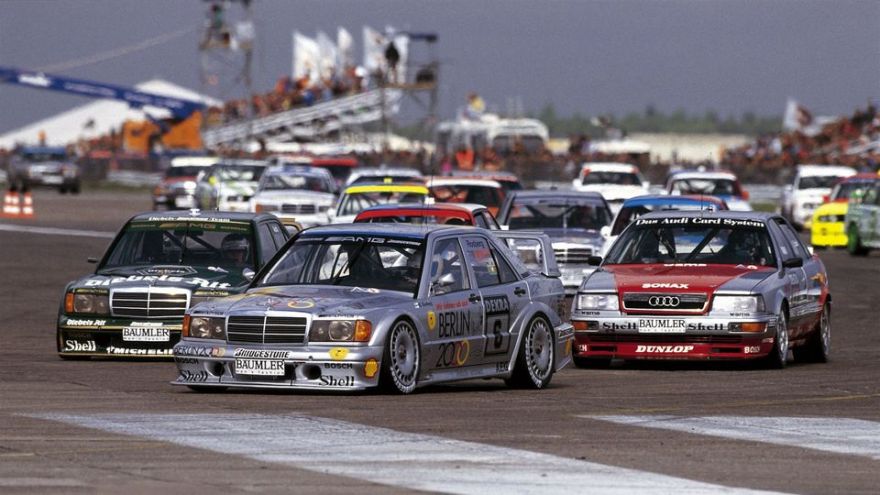
See, in 1993, just as the covers were coming off the Calibra DTM mentioned above, Alfa Romeo decided to get involved in the DTM series with an absolutely glorious version of their humble 155 saloon. Called the Alfa Romeo 155 V6 Ti, this stunning piece of machinery was the only non-German car to compete in the glory days of the DTM series.

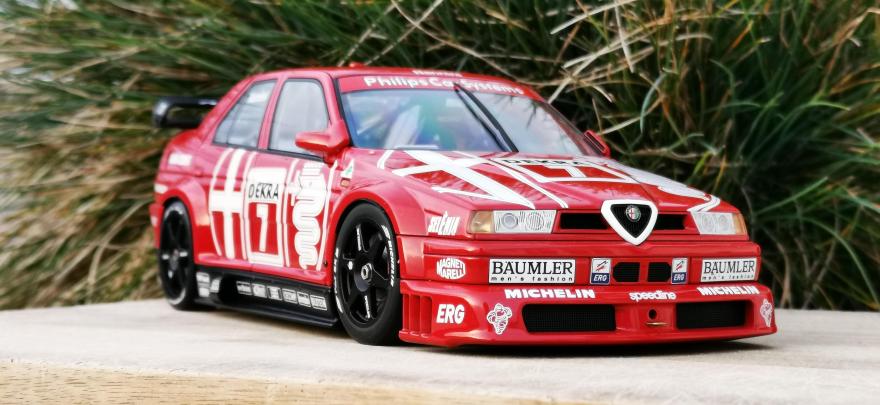
Alfa Romeo was not here to piss about either because under that sleek bodywork was a 2.5 V6 engine shared with the road car albeit putting out somewhere between 420bhp-450bhp depending on configuration. Just like the Calibra, it was also competing under the Class 1 regulations and it was also AWD too. Just like Opel, Alfa Romeo also has a lot of motorsport history under their belt and they were also very competitive in touring car racing during the nineties. In BTTC especially, the Alfa’s were driven fast and hard and were always within the points. they also looked glorious and sounded as good as they looked.

The DTM car was a completely different kettle of fish though. Unlike its BTCC counterpart, the DTM car was turned up to 11 and then some. This was a fire-spitting monster that could easily turn a Ferrari F1 fan into an Alfa Romeo DTM fan. Even after 30 years since its introduction, the 155 V6 Ti DTM is still revered to be one of the best cars in the whole series.

By 1994, the team had fixed a lot of issues that the ’93 car had. At a similar time, Alfa Romeo started to employ very famous race car drivers into the team, with one of those drivers being Gabriele Tarquini. With Tarquini behind the wheel, it was a match made in Italian heaven. Here was a car that was made specifically for the championship it was competing in driven by one of the best race car drivers to ever do it working in tandem with one another. Tarquini could push the car on and on with every lap and the car didn’t even break a sweat.
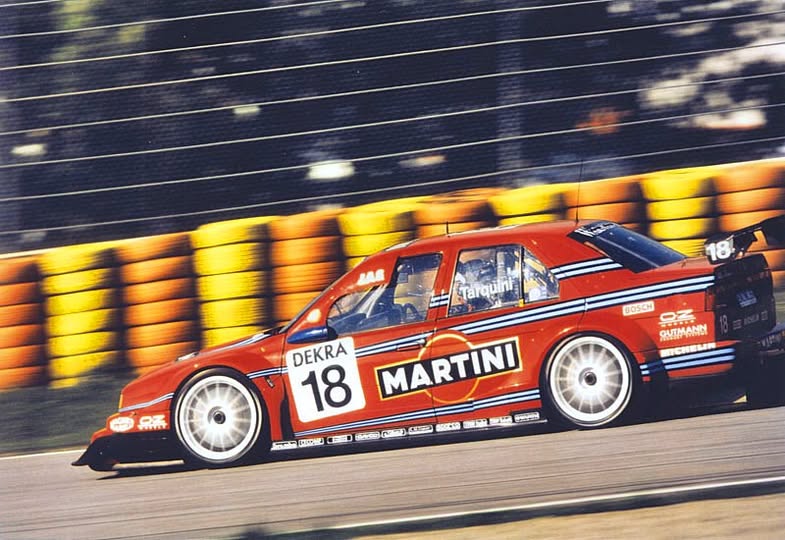
in 1995 and 1996, the car showed a solid performance on track with both Tarquini and Alessandro Nannini behind the wheel. the whole team and the cars in question brought a touch of Italian class into what was a very exciting but somewhat unknown racing series. Whilst the car couldn’t quite keep up with Mercedes-Benz during these seasons, the 155 was still a fan favourite amongst fans and its legacy still lives on today.
Unfortunately during the late nineties, the DTM series started to face a period of decline due to rising costs, regulation changes and a lack of competing manufacturers. this caused the discontinuation of the sport in 1996. The ITR who were in charge went back to the drawing board to come up with what we now know as the current DTM series. When the DTM series returned in the early ’00s, it was now called the Deutsche Tourenwagen Masters.
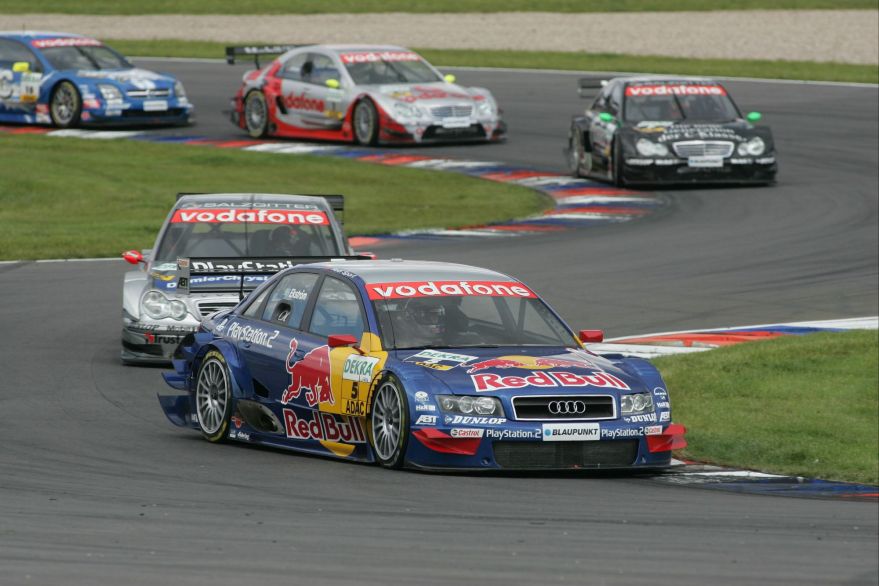
Even though there was a name change and a regulation change, the racing has been as competitive as ever and is now a staple of touring car racing. It might not have the character of the original DTM but the racing is still as exciting as it ever was. In its current form, it takes on more of a GT3 vibe albeit on German tracks but the racing and the atmosphere are still some of the best you’ll see around the world!
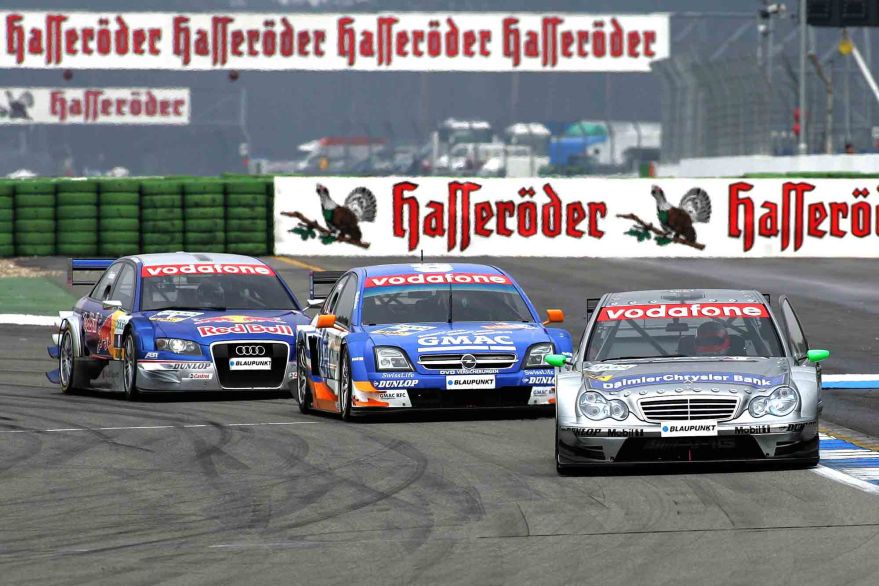
So here you have it. Here’s everything you need to know about one of the best racing series to ever exist during the heyday of motorsports. Many racing events and race series don’t always create wheel-to-wheel racing anymore due to driver regulations, team regulations and lately, even track limitations. If like me, you are an F1 fan, you’ll know exactly what I’m talking about. The original DTM series was different though. you had top drivers piloting some of the best cars from a plethora of top manufacturers on some of the most technical and dangerous tracks the world has to offer racing as close as humanly possible and whilst it was for a championship at the end of the year, it was also for our entertainment too. Racing will never be the same ever again!

Hope you Enjoy!

By Alex Jebson

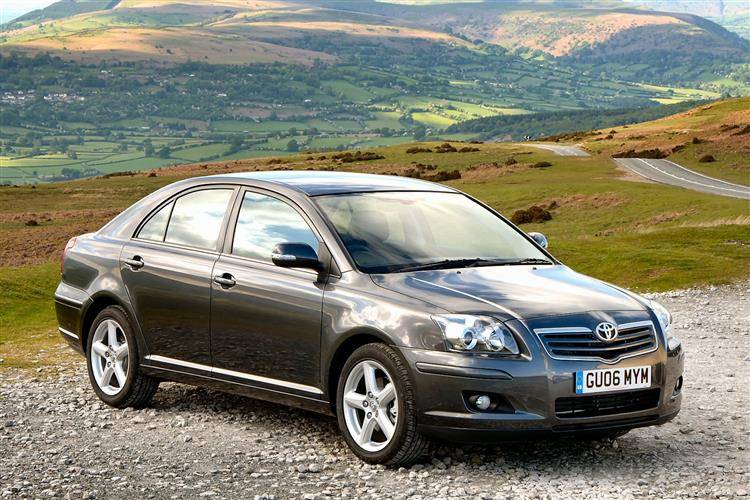
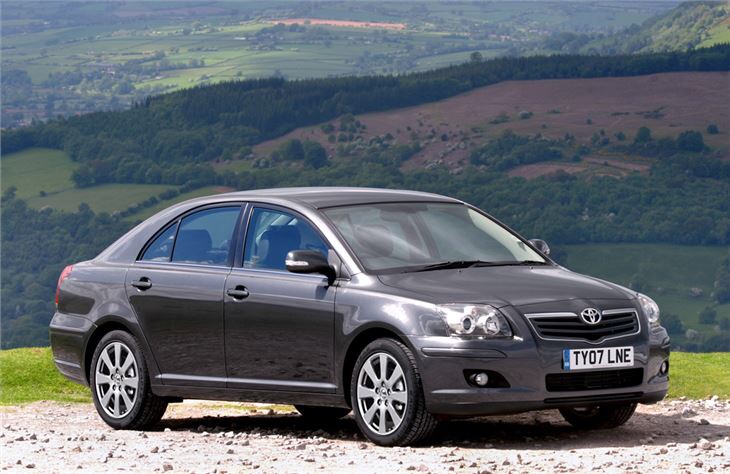
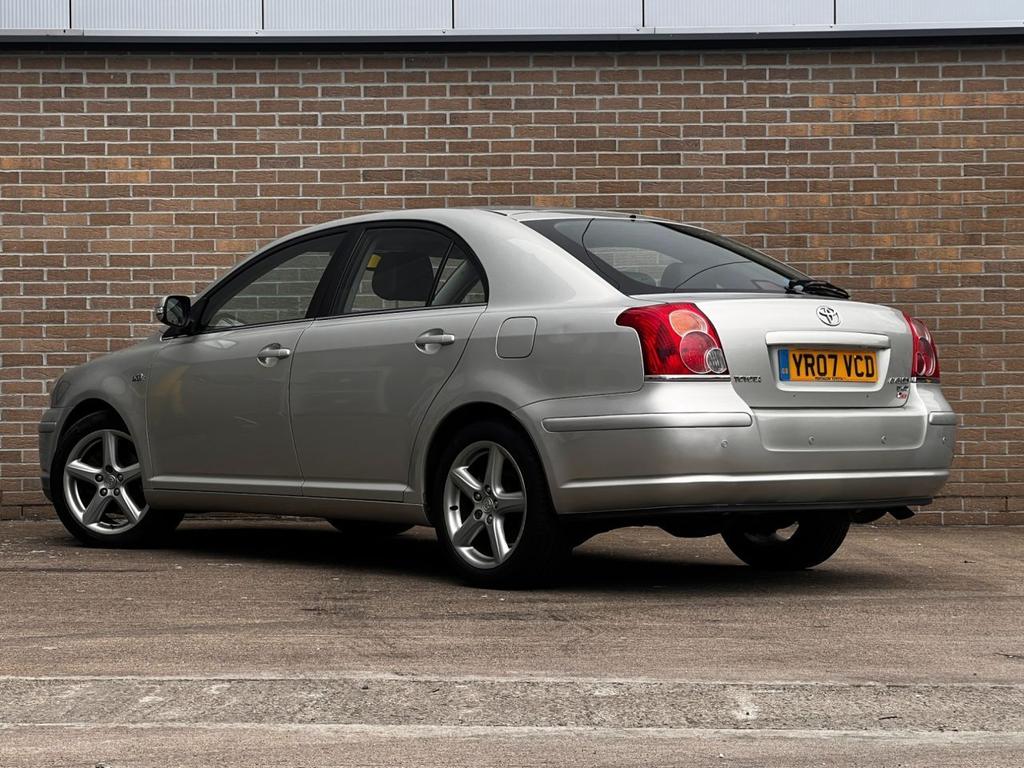
Here’s Why The Toyota Avensis MK2 (T25) Is Such A Good Family Car!

When it comes to building cars, certain manufacturers have it easier than others. For example, If Ferrari wants to make a Supercar, it has to be stupendously quick, It has to handle with the agility of a flea but with the composure of a Cheetah on the hunt and it has to have a price tag so eye-watering that us mere mortals could only dream of owning one. On the other hand, If Dacia want to build a new & improved Sandero, They’ll take an already proven Renault Platform taken from the well-respected Clio so that It drives well, is good on fuel and ultimately has a good amount of space, fill it with a reasonable amount of equipment and then sell it for an extremely reasonable price that is affordable to the masses – A modern day people’s car if you like.

The modern day family car is a different kettle of fish though. As the name suggests, a Family car has to be capable of doing just that, hauling families around. In the modern day, it seems that every family car on the market is yet another bloated and cookie-cutter styled SUV that keeps taking up too much space in an ALDI car park. Also, with premium manufacturers like BMW, Audi, Mercedes-Benz, JLR & Lexus offering up their idea of a family car, It seems that the whole ethos of the Family car has been lost, at least in the UK at least. This was never the case during the ’90s and the early ’00’s.

In my personal opinion, the humble family car was at Its peak during these times. For a start, there was a plethora of different manufacturers building their own idea of a family car. These included Nissan, Vauxhall/Opel, Ford Europe, Toyota, Honda, Volkswagen, Renault, Citroen & Peugeot as well as a smattering of others. Some of the cars produced went down a lot better than most would anticipate and these included the Vauxhall Cavalier/Vectra, the Ford Mondeo, the Nissan Primera, the Renault Laguna, the Honda Accord and for this article, the Toyota Avensis.

Now whilst there were other types of family cars during this time, I’m going to focus on the midsize family cars that were once a staple of the UK roads. These cars weren’t just for personal use like many people from other countries would expect, in fact a large number of sales of these types of cars were bought by the fleet market and used by company reps that’d always be seen driving up and down the different UK Motorway networks. In some cases, some of these cars were also used as minicabs due to their robustness & impeccable build quality.

Now it was quite a rare sight for a particular car from this segment to be seen in all 3 of these environments, let alone be a popular choice in all of said environments but the humble Toyota Avensis was and to some still is the car that broke that mold so to speak. Now whilst it wasn’t the first car to be popular as a fleet car, a Minicab and as a personal vehicle, it was one of the most popular cars of the time so it was a given that they’d be bought and used for all different reasons, personal or not.

The MK1 Avensis ‘T220’ arrived at the tail end of 1997 and was the replacement for the groundbreaking Carina E. Just like the car it replaced, it was built superbly and could do mega miles without ever really going wrong. Add in the then all-new D4D 2.0 diesel engine and here was a car that could literally outlive everyone. Three body styles were available and these included the 5 door Hatchback/Liftback, the 4 door saloon and the 5 door estate. The estate in question was incredibly practical with an enormous boot space, a low loading lip, tons of little cubby holes dotted around the place and a good amount of leg & headroom for anyone on board. It was also priced well which meant that just like the Honda Accord of the time, it sold in huge numbers over here in the UK. As a bonus, the Avensis as a whole was actually built and assembled in the UK which was a good thing for the British economy.

The only real issue with the MK1 at the time was Its uninspiring drive. Reviews at the time actually called it boring which I do think is a bit unfair considering it was a normal humdrum family car but when you consider that Its biggest rival, the Accord, was similarly priced, just as well built, better looking and was known to be a better drive, I can see how the Avensis MK1 fell short compared with the competition. Alas, the MK1 soldiered on until 2003 when it was then replaced with what I believe to be the best generation of Avensis, the MK2 ‘T25’!

Now it can be said that I’m not a big Toyota fan and even I have to admit that the manufacturer doesn’t sit high on my list of favourites but I’d be lying to myself that when it comes to no-nonsense family cars like the RAV4, the Land Cruiser, the Hilux and the Avensis, Toyota really do know what they’re doing. We’ve had the opportunity over the years to own numerous different vehicles from all different manufacturers and even I have to concede that when it comes to some of their family cars, Toyota get things absolutely spot on.

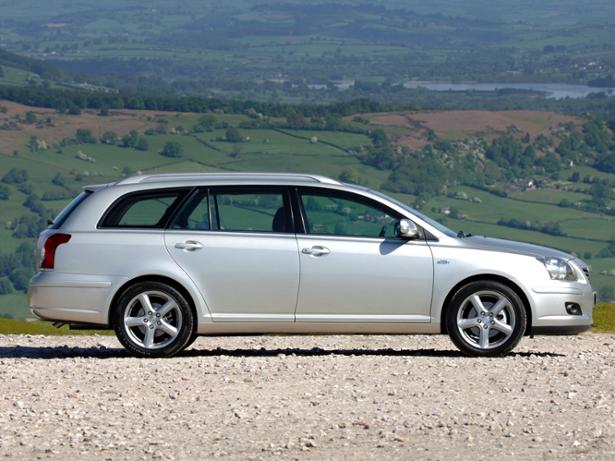
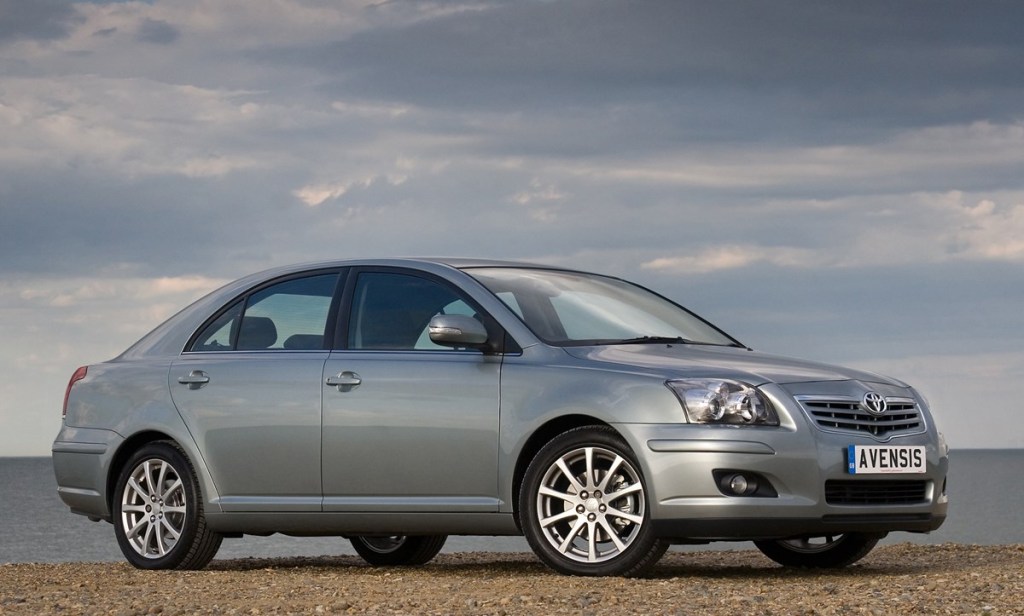
Anyway, back to the subject at hand. The MK2 Avensis was released in 2003 to rave reviews from nearly every car journalist in the country. With a more European look now given to the Avensis both inside and out, the car now felt more like a Lexus than an Avensis which was well & truly needed, let’s be honest here. In comparison, whilst the original was built to a high standard that is typical of a Toyota, there was a lot to be desired when compared with the competition. for example, the interior of the original had that typical feel of a ’90s Japanese car, i.e everything was there and the build quality far trumped anything else in Its class but it was deemed to be dull and a bit naff compared to Its european counterparts. This was all changed with the introduction of the second incarnation. In my opinion, the Tourer variant is the most handsome out of the bunch with the hatchback/liftback coming in at a close second and the saloon coming in third but overall, the MK2 Avensis is a very conservative but handsome car. It doesn’t wow you but at the same time it doesn’t offend neither. Age has also played into the cars favour quite a bit as well because when you park this next to a newer car of a similar size that seems to have sharp angles absolutely everywhere and very odd features, the Avensis does away with all of that and It is so much better for it.

At release, the MK2 carried over a good few of the engines from the original. These included the 1.6 litre 3ZZ-FE, the 1.8 litre 1ZZ-FE, the 2.0 litre 1AZ-FSE and the really rather good 2.0 litre 1CD-FTV D4D diesel unit. In some markets, the 2.4 litre 2AZ-FSE from the Camry was an option in the new car as well. In fact, whilst on the subject of the larger Camry, when the Camry stopped getting exported to certain countries, with the UK being one, the Avensis became the largest Saloon being available in Western Europe. In the UK, the 1.6 litre was not available in the Avensis which made sense when compared to the then-new MK3 Mondeo & Vectra C shifting to 1.8 & 2.0 litre petrols, which started to become the norm for a majority of buyers. During Its life, two variants of the 2.2 litre D4D diesel engine were available, these were known as the 2AD-FTV and the 2AD-FHV and these are fantastic engines with good levels of refinement, economy and with the latter engine, a good dollop of performance too.

Trim levels in the UK consisted of T2, T3-S, T3-X, T4, T-Spirit, TR and the rather splendid T180. During Its life, there was also a special edition that was based upon the T2 that was called the Colour Collection. In Ireland, the trim levels consisted of Terra, Aura, Strata, Luna & Sol. In Japan, you could even get the Avensis with AWD but only on the base model 2.0 Xi. For us in the UK, the ‘T180’ was something special indeed. Fitted with the 2AD-FHV, the T180 put out, you guessed it, 180bhp which for the time was a good amount of power, especially considering the engine size and the fact that it was a Diesel. Here you had a model that could get 45+MPG, could do 600 miles to a tank of diesel as well as doing 0-60 in a very respectable 8.3 seconds. Add in the little trinkets the T180 was sporting like the 5 spoke alloy wheels, the leather wrapped steering wheel, the 6 speed manual gearbox, the leather seats and the slight sporty looks, this was an Avensis that meant business. We used to own a RAV4 ‘T180’ and that was an absolute blast to drive so I can just imagine what an Avensis T180 would be like.

In typical Toyota fashion, regardless of what trim level or what engine you went for, you were bound to get a car that can still hold a candle to modern day family car. an Avensis diesel can easily do 200k+ miles without really breaking a sweat. Now whilst it is true that a Vectra C or Mondeo MK3 can also do high miles before running into any real issues, after reaching the 200k+ mile mark, a good amount of them will need to be babied to make sure they can carry on piling on the miles whereas the Avensis just seems to take everything in Its stride. Before writing this article, I did a good bit of research on the Avensis to find out how they dealt with high miles and whilst accruing some information, I came across a comment on a thread that eluded to the fact that a 2008 Avensis D4D had done well over 600k miles and was still going strong on Its original engine and gearbox. That’s incredibly impressive when you consider that when new, the car wasn’t overly expensive compared to the higher end of the family car market.

Now sure, whilst It is true that a similarly aged VW/Audi Group car with a PD130 can easily do mega miles, a lot of examples have been ran so far into the ground that Its not even worth piling money into them. Add in the extra buying cost of the VW/Audi Group car in question and the costs to keep them going for the first few years and it made total sense why the Avensis was a runaway hit. These days in the UK, you can pick up a MK2 Avensis 2.0D for anywhere between £1000 for one that needs some work to £3000 for a perfect example which makes it the perfect everyday car. Add in that after 15 years since production stopped, pretty much every single part is still available to buy for an extremely reasonable price means that you could easily buy one regardless of mileage or condition and keep it going for at least 5 years – not bad going considering the economic climate we find ourselves in.

These cars were so revered for so many different reasons that for a long time these were the minicab of choice for a lot of cab firms all around the UK. Now whilst that might not sound exciting to a good amount of people, considering that minicab firms have to use cars that are spacious, reliable, inexpensive to buy & run as well as comfortable for both driver & passenger, it made perfect sense that for a very long time the Avensis was the car of choice. Fleet companies also never really had any qualms with the Avensis neither, now sure, it was never going to win any driving awards and whilst it could’ve easily be overlooked sitting in the company car park, the Toyota was always the dependable one that could always be relied on.

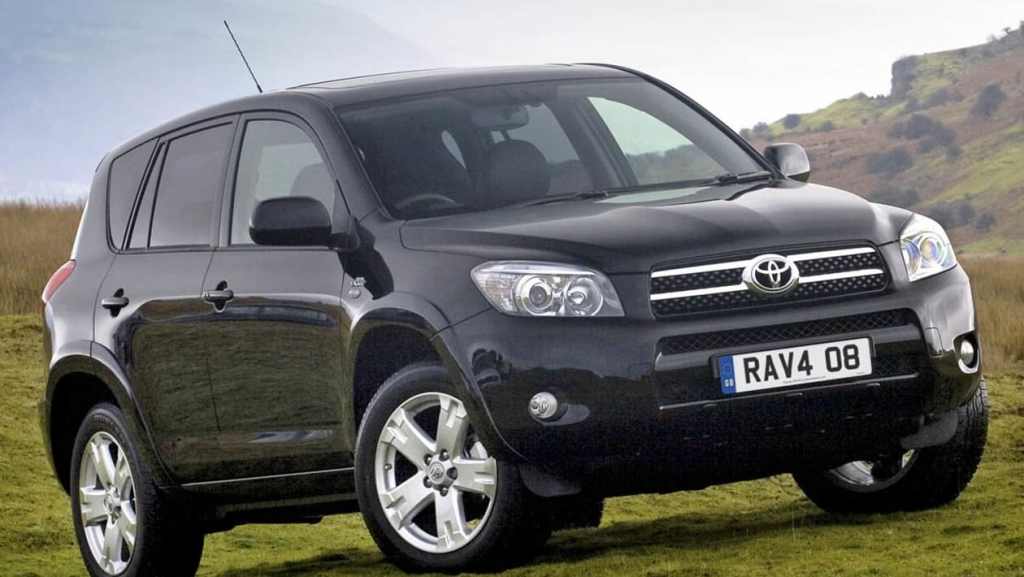
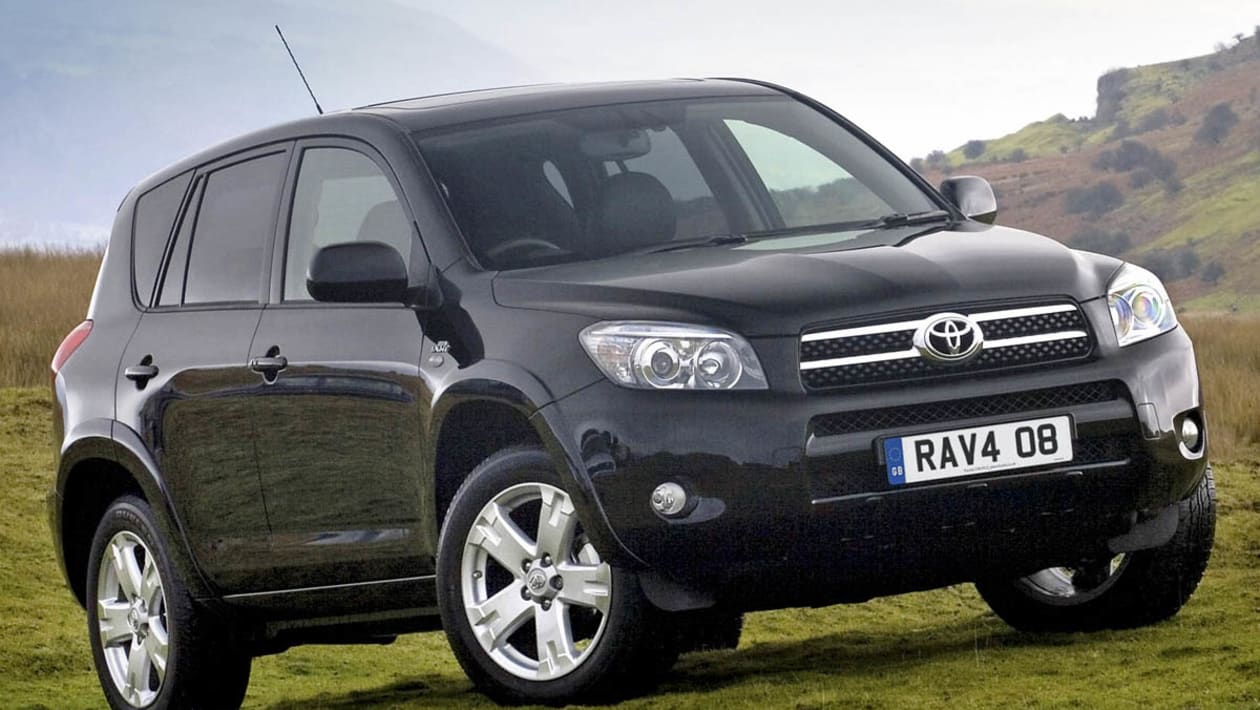
Recently we had to get rid of our 2008 RAV4 ‘T180’ that we had as a family hack due to the insane amounts of rust that was all over the floor & chassis. After searching high and low for well over a month for Its replacement, we decided to go for a last of the line Avensis ‘TR’ 2.0D Tourer and even though we’ve only had it for about a month, the Avensis is by far a better car than the RAV4. the Avensis in question has done 12,000 miles more than our old RAV4 but it feels a lot more solid in comparison. Whilst looking underneath it to check it over, there’s no serious rust to report about, there’s no major oil or fluid leaks and generally It’s in really good nick considering Its sitting on 173,000 miles. a quick MOT/Inspection check online shows that over Its 15 years on the roads, It has never really done a lot of miles each year. The check also shows that nothing major has ever really needed to be replaced over the years too. I always said that if it wasn’t for the rust issues with the RAV4, mechanically it could easily hit 200k miles without a problem. I’m now certain that the Avensis will easily hit that target and still climb without any issues whatsoever.

Only a day after taking ownership of the new daily, we decided to help neighbours move into the street. Me and my stepdad have never had experience of an Avensis before and at that point we didn’t know if we had made the correct decision in replacing the RAV4 for the new car but after putting the seats down and piling the car with furniture, numerous boxes, electrical goods, pots and plants and even a couple of small TV’s, both of us were really impressed with the 520+ litres of boot space. It didn’t even flinch or cause any issues driving up to the old address as well as driving back down again. The carrying capacity with the seats down was honestly Volvo like and for me, that’s the highest praise I can ever give a car. If we had used the RAV4 like we had originally planned to do, it wouldn’t of been able to fit as much stuff in even with the seats folded flat. Really good going considering the RAV4 was a good bit more expensive than the Avensis was when new and even now offer a premium over any Toyota hatch, saloon or estate regardless of model.

Now to anyone that has gotten this far into the article will probably be asking and saying “But Alex, if the car is so good, what’s the bad points of the car?!” and to those people I will have to concede that whilst overall the car is really good, just like any other car, the MK2 Avensis has got issues of Its own. For a start, this generation of Avensis came out when Toyota had real issues with corrosion, especially here in the UK. Now whilst the Avensis isn’t the only Toyota of the time to suffer from this, the Avensis does suffer the exact same fate as the rest where the body/chassis give out way before a majority of the drivetrain does. Strangely for a Toyota, the Avensis II does suffer from quite a few engie issues, especially in diesel form. These include Injector issues, EGR Issues, Flywheel/Clutch issues and the dreaded HGF failure. These issues are also found in the RAV4 of the same age and in other Toyota’s with the same engine that were sold at around the same time so this isn’t just an Avensis issue. By the time the MK3 came out in 2009, pretty much all of these mechanical issues had been put to bed and have since been sorted.

The biggest issue with the Avensis isn’t Its rust issues or even Its several engine issues, the cars biggest issue is Its dullness. Back when the Avensis II was released, the market for midsize family cars was extremely strong over here in the UK. In fact, It had been getting stronger & stronger since the ’80s & ’90s so obviously this accumulated in that market getting ever stronger during the early noughties all the way up to the mid-teens. Everyone at one point was making a five door liftback/4 door saloon/5 door estate version of the same model. Vauxhall & Ford had been at it for years, VW were also at it, as were Honda, Nissan, Mitsubishi, Fiat, Renault, Citroen & Peugeot to name a few. During the Noughties though, there was a shift that shook up the market by quite a good bit and that was the implementation of premium manufactures getting involved. With that, every premium manufacturer you could think of had at least one family saloon/estate in their lineup that you could purchase. These included the BMW 3 Series which had been the Daddy for years, the Audi A4, the Jaguar X-Type, the Mercedes-Benz C-Class, the SAAB 9-3, the Alfa Romeo 156, the Volvo S60/V70 and even the original Lexus IS.

And whilst the Avensis was a strong contender with all of the cars on offer, whether premium or not, the car was always seen as being extremely dull both in the way it drove and in some ways, the way it looked. The car was praised for Its impeccable build quality, Its 5-star safety rating which included a whopping 9 airbags- which was a big thing back in the day, as well as Its bulletproof reliability which is just so Toyota. It also had impressive fuel economy and carrying capabilities. Even though I’m not a Toyota person per say, I have to agree with all of those points – it truly is a really good family car that can pretty much do everything you ask of it but that’s just the point, you don’t get attached to it in the same way you would a Mondeo V6 or a Honda Accord 2.4 for example.

Now Toyota did do a lot of R&D to make sure the Avensis II drove as well as it could and one of the things they decided to do was to take the whole rear end & subframe of their 7th Gen Celica and bolt it straight up to the Avensis to aid rear end grip and handling. This made the Avensis sure footed and composed when out on the open road and it definitely made a difference over the MK1’s setup but unfortunately it wasn’t enough. The competition just had it beat in every single way drivability wise. Add in that with the other cars on offer at the time, you could get a spicy/sporty option which normally had either a high revving engine or a large but extremely smooth and powerful V6 under the bonnet and it was no surprise that the Avensis wasn’t going to quite live up to Its rivals.

In all fairness to the car, a lot of them were used in the Fleet market so a good majority of them were mainly seen plodding up and down numerous motorway networks up and down the country so it wasn’t as if the reps going to the business meetings could ever get the opportunity to throw their Avensis down some snakey twists & turns to see how it really drove on the limit. Private buyers didn’t really care too much about how it drove because they only really saw it for what it was, a 5 door family car that was able to be used every single day without fail during all conditions regardless of the weather, with the biggest run It would do would be a family holiday to the coast or to a caravan park and if not that, then it’d be used to go see long lost family. This left the multiple minicab companies around the UK that once swore by these cars and they didn’t really care about how it drove neither just as long as it was relatively comfy, practical, reliable, easy to run and good on fuel. Because the Avensis could easily cater to its needs by the people that brought them and drove them, it was no surprise that even with the strong competition, it became one of the best selling family cars of the Noughties.

So if your like us & you find yourself getting out of your bland & lackluster SUV and getting into a family hatch/estate car or even if you want an inexpensive but practical family car that can carry much more than you could ever imagine or expect, an Avensis is a very respectable choice for anyone in the market. With motoring events happening around the UK like ‘Festival of the Unexceptional’ that cater to your normal, underappreciated cars that are becoming rare for all different reasons, an early first or second year of production Avensis MK2 will fit the bill perfectly and will suit shows like that that are now popping up all over the country. It might not set your pants on fire but the Avensis is like that faithful old friend, a bit boring and not much to talk about but can be relied on during every situation.

Hope You Enjoy!

Alex Jebson

What Needs Doing To The C70 To Get It Roadworthy?!

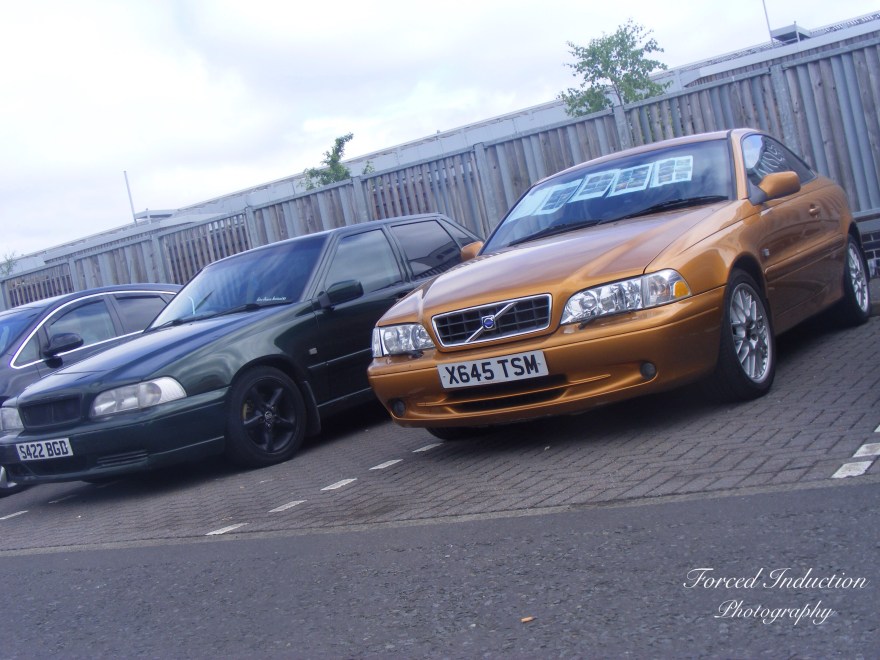
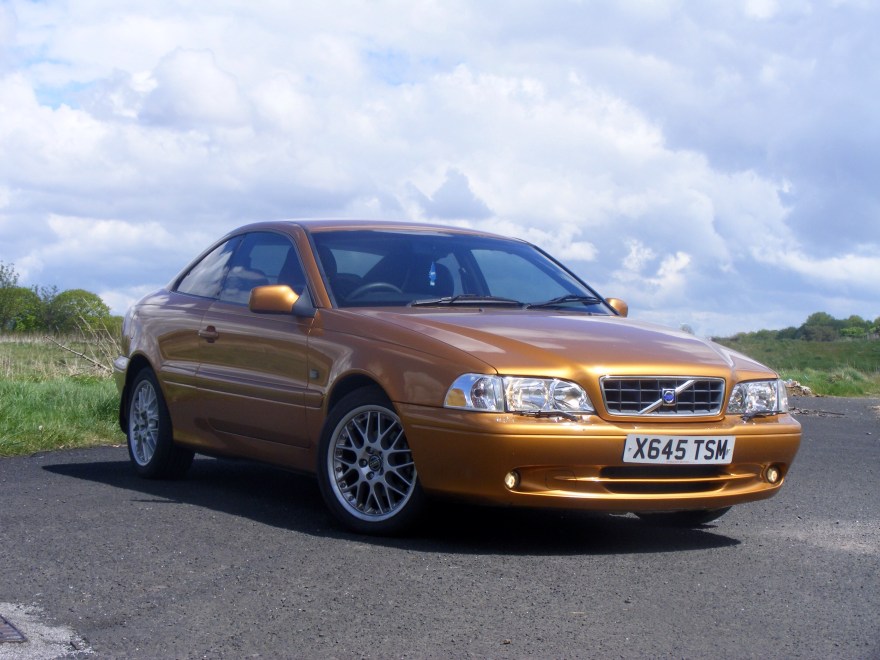
With the summer officially in Scotland, It can be very easy to get distracted by the great weather, the long summer days, the cool nights around a fire drinking alcohol & of course all of the events and days out that this wonderful little part of the UK has to offer. Now, normally, I wouldn’t really get involved in all that but over the years, I have unfortunately dabbled in all of the things mentioned above. This year though, things have been going differently. This year I’ve started to clear my head & get away from all the temptations the Scottish Summer has to give. I bring this up because I have officially started a list of all the parts and jobs that need doing on the C70!

Even I’ll admit, It hasn’t been easy changing my mental to put myself back on track but with the car now very much on the forefront of my mind for reasons I’ll unveil in a future blog, I had no other choice but to change my ways. With that in mind, I have decided to make up a list of all the bits & pieces that the C70 needs as well as all of the jobs I need to do to it to make it roadworthy again. With some help & advice from some good friends, now is the perfect time to be focusing on the car once again. So without further ado, let’s get into all of the things I need to do to at least get it into a drivable state.

First things first, the C70 has a Coolant Leak that is caused by a Thermostat issue, I do believe that it needs the whole Thermostat assembly replaced with a brand new one. Access doesn’t seem to be too much of an issue but you can never really be too sure with a P80 Platform Volvo, what looks to be a good amount of space becomes a spider web of lies, dropped bolts & a lot of swearing. I hope I can get some new hose to go from the bottom housing to underneath the Intake Manifold as it seems to be a part that’s shared with other Volvo models of the time. If all goes well, I’ll just need a big bottle of coolant and it should fire up without any coolant issues whatsoever.

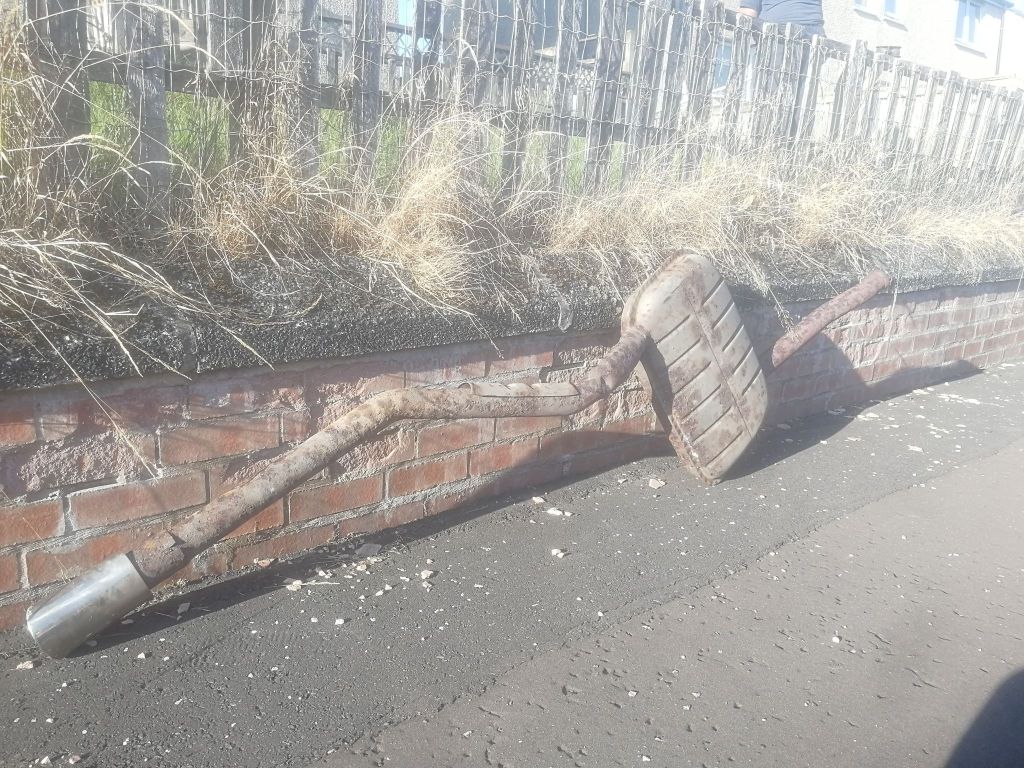
Next on the list is a full Exhaust system. I’ve never fitted an exhaust onto the car in the 8 years I’ve owned her and there’s no signs of a replacement system on any of the paperwork I have in the folder. If my suspicions are correct, the exhaust that is currently on the car is the original and unfortunately It’s starting to show. It’s lasted 23 years but now It is just Rust, high emissions and broken hangars. Whilst I’m changing the Exhaust system, I’m going to change every bolt, every heat shield, every hanger & cross brace as well as any rust that might be starting to show on the underside of the car. We have recently bought a Draper sandblaster so that will be getting put to good use when the time comes.

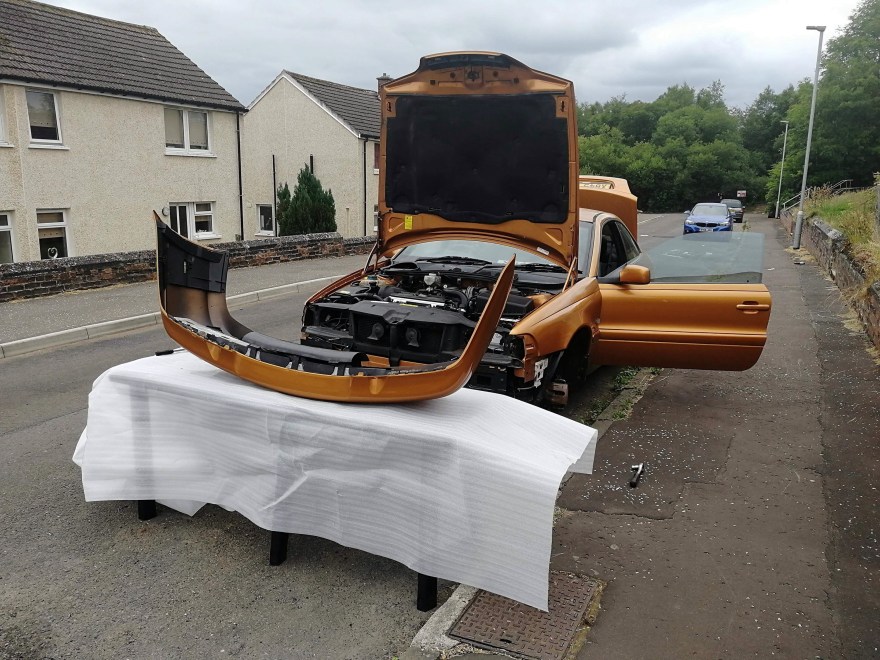
Once all the new Exhaust system parts have been bought and fitted, the next job on the list is a brake overhaul. This will probably be the most difficult and time consuming job that the C70 needs thus far. The plan is to fit new discs, new brake pads, new ABS sensors & potentially replace some brake pipes and lines. On top of this, I’ll need to rebuild & refurbish the Calipers and the brake pad carriers so they can be as good as they can. I haven’t done Brakes in a long time so I don’t want to rush the job at hand but at the same time, I can’t take too much time doing all the work due to time & weather restraints.

I’m also needing to buy a new set of tyres for the car too. Currently, it sits on Yokohama Bluearth Tyres that are essentially eco tyres. These were originally bought not long after the car was purchased and are starting to show their age. Originally bought to get better fuel economy, the tyres haven’t been too bad in the time they’ve been fitted, however, there’s two main reasons why they need changed out. Firstly, as already mentioned, the current tyres are starting to show their age. They’re starting to show signs of cracking as well as having fair sized chunks missing out of the sidewall which is rather dangerous. Secondly, ever since having the tyres fitted, the car has never handled as good as it should and has never really encouraged confidence whilst on a spirited drive. Now I admit that some of the suspension components could be doing with a refresh as they are pretty much original & 23 years old but considering that your wheels and tyres are the only contact patch to the road you have with a car, having a set of tyres that don’t encourage confidence when behind the wheel is never good. I am very much interested in getting some Michelin Pilot Sport 4’s for the car as these will give back the confidence that is currently lacking. Sure I’ll lose out on some MPG’s but considering that the C70 was never really built for economy in the first place, It’s a sacrifice I’m willing to trade for better overall grip on the winding, country roads that I live around.

Whilst the tyres are getting sorted out, I’d like to get the factory 17″ BBS Propus wheels refurbished as they are full of kerbing and scrapes. I have been contemplating on a new wheel colour but I think I’m going to stick to the factory silver. I’m also considering on fitting new wheel bolts that go around the perimeter of the wheels that make them a Split-Rim. Add in a set of new wheel lug nuts & Locking wheel nuts, all in the wheels should look brand spanking new. All I need to do is find a place that will do a decent job on the new wheels for a respectable price. This is easier said than done as a lot of places around the way don’t do a very good job for the price they charge.

Once the majority of mechanical jobs have been done, the plan is then to move onto the interior and get some bits & pieces refurbished, replaced and ultimately refitted. These include refurbishing the steering wheel & the centre armrest, the seats and the stereo head unit. For the steering wheel and the armrest, I’ll be using Royal Steering Wheels because I’ve heard nothing but good reviews from them by fellow Volvo owners. For the Stereo, I’ll have to find somewhere that can refurbish the laser that’s unfortunately burnt out in the CD part of my stereo. The seats will have to be removed and transported to one of the many Interior repair shops that Glasgow has to offer, this will be heavy going and quite a bit expensive but oh so worth it. As for replacement parts, some new switchgear will be needed for the likes of the doors and the dash but that’s not too much of a big nor expensive job in all honesty. Once everything is in and all the bits and pieces have been refurbished and ultimately returned, It’ll then be the mammoth task of refitting everything back where it belongs.

Once that is done, It’ll be time to sort out some paint work and a small bit of welding that while insignificant, could do with being done to futureproof the cars future. It’s no lie that the bodywork is in good order but lately, it has started to show signs of ageing and could do with a refresh in a good few places. Whilst it is true that overall it is pretty clean for what is now a 23 year old car, I do believe that a good spray job and a little bit of welding here and there will do the bodywork a whole lot of good. This is also a very expensive job but just like the rest of the jobs the car needs, this will make the world of difference once It’s all done & dusted.

There are a few more things that need doing to the car but they’re not really worth talking about because they’re small & insignificant and don’t really need mentioning. There are gonna be a lot more jobs that’ll need doing but they can wait until the car is roadworthy again. These jobs won’t be easy and they won’t be cheap but project cars are never any of those things and this is why we love them. It’d be a lie if I was to say that times like these have been well overdue but as the saying goes, Rome wasn’t built in a day. These things take time and a lot of patience but are so damn worth it once finished. I’m honestly counting down the days to when I can get back to driving the car again.

There’s multiple reasons as to why I’m determined on fixing the car. The first reason is simply this, I haven’t driven the car for years now & I’ve thoroughly missed driving it. The second reason is a little more simple, see, recently we’ve bought a new daily and whilst It’s in fairly good mechanical fettle, it is a high mileage example and does need some work doing to it to get it up to scratch. Because of this, if the daily ever needs work, the C70 can be used, when needed, as a second car that should easily be capable of running us around if needs be. The third reason is a lot more personal and is actually the main reason as to why I’m adamant on fixing the car as soon as I can. I am willing on writing about it but not in this particular article. All will be revealed in the not too distant future!!

Hope You Enjoy!

Alex Jebson

The Highs & Lows of Owning a Volvo C70 Coupé for 8 Years!

As of writing this right now, It has just turned 02:00am on the 1st of March, a couple of energy drinks have been consumed, NF is playing through wireless earphones & there are numerous tabs & programs opened up on my PC. One of these is Google Chrome and the other is the Photo App where an old picture of my C70 is currently greeting me. I should be asleep right about now but there are two reasons why I’m not. The first reason why I’m awake is that I’m looking at car parts I need to buy to get the C70 roadworthy again and the second reason is simply that sleep doesn’t exist.

Add in the fact that I’m looking at old pictures & posts on Facebook that involve the C70, I’ve decided to do a little post about what It’s been like to own my Volvo for what is coming up to 8 years. With that in mind, sit back, get comfy, and learn what It’s like to own such a car for such a long time!

As already mentioned, this article is coming to you guys from the very early hours of the morning & I really should be sleeping but given the circumstances, I’m currently in, I’ve decided to write a little something. I hope the Energy Drinks I’ve had work for long enough so I can jot down a well-rounded and informative piece on the C70 but time will only tell.

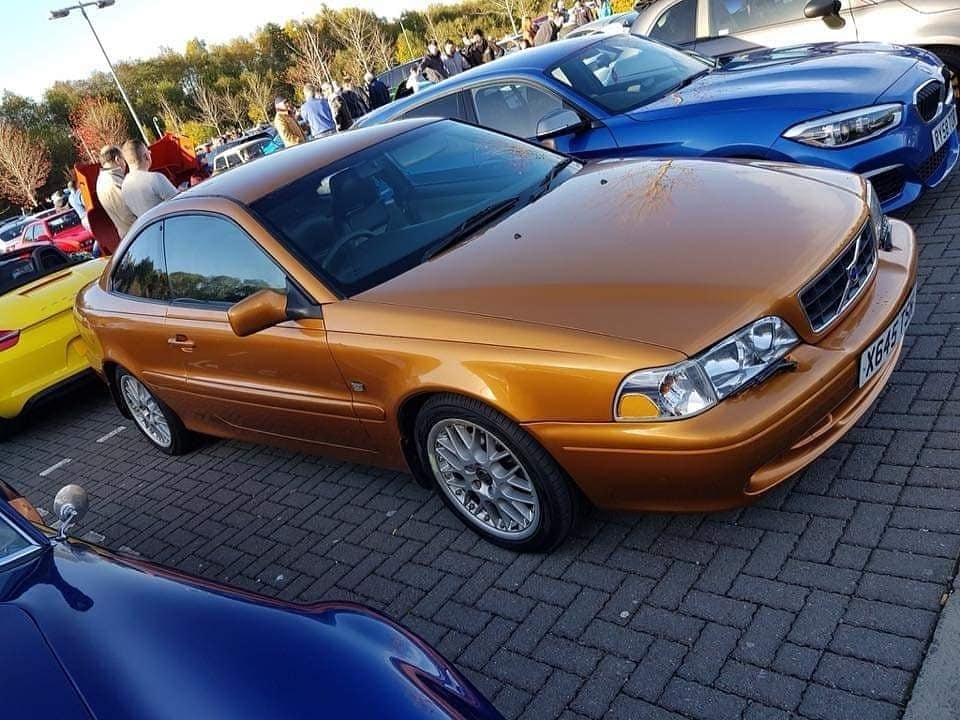
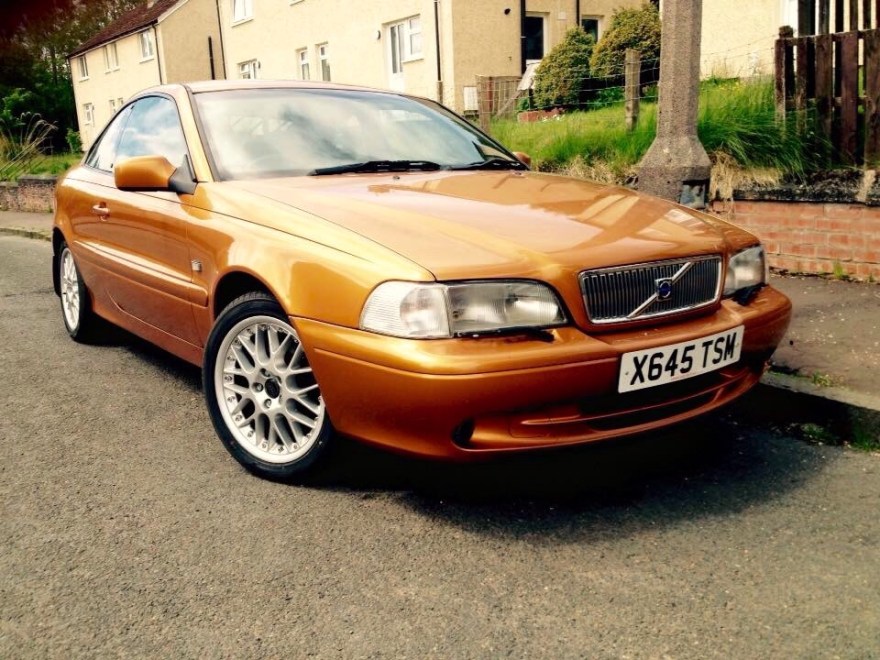
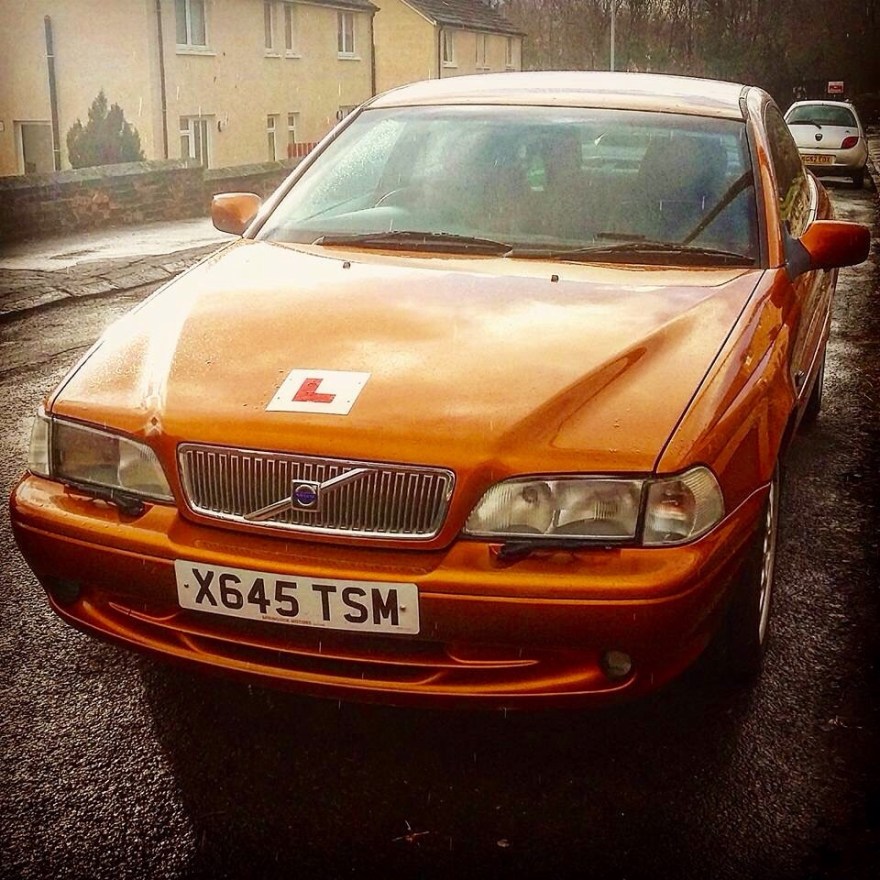
For those that are either new or out of the loop, I own a ’00’ MK1 Volvo C70 Coupé that I’ve had since the 6th of March 2015. This C70 in question is my first ever car and whilst that accolade might have died down over the 8 years of ownership, back in 2015 when I was a borderline 18-year-old, that was an extremely big deal for myself, my family, my friends & everyone all round – for better or worse!

Given that I’ve owned the car for coming up to 8 years, I have been very lucky to go through the archives of old posts, pictures & memories that have been collected throughout the years of ownership. These all include numerous jobs I’ve done to the car over the years that will still be ongoing even if the car is currently in an undisclosed storage unit at the time of writing this. The posts & pictures that have gone along with them have especially been something to look back on, both with happiness as well as sadness.

So, what exactly is the story with me and the C70 then? Over ten years ago now, when I was a mere adolescent with no idea of how the world exactly worked, I was a Pupil in high school that had had an interest in cars from a very young age. With this in mind, even though I could barely drive a car on the Playstation or Xbox, I was always on my iPad looking at cars for sale that I could only dream of owning.

As the years went on, the cars I was looking at went from cars I could only dream of owning to left-field choices that could easily be had as a first car. Some of these included an MG ZR 1.4, an ‘R50’ BMW Mini ‘One’, an MK2 Toyota Yaris SR 1.3, an MK1 Ford Focus & even an Alfa Romeo 147. All of these cars would’ve made the perfect first car in all their own different little ways but you might be sitting there wondering and asking yourself “well, what made you overlook all those cars above and go for the C70 instead?!”

I’d always wanted my first car to be left-field and somewhat cool for a young 17-year-old driver and while a lot of the cars mentioned above were affordable, the main issue was the insurance costs. For example, the MG ZR 1.4 mentioned above could easily be bought for £1000 back in 2015 but the insurance was well over double the price of the car and this was a very similar story with the plethora of cars I was looking at. This of course made It extremely frustrating to find something I liked but was also affordable. This is where, weirdly, my parents decided to play an absolute ace which completely flipped everything I knew on Its head.

See, unbeknownst to me, whilst I was looking at first cars and jumping ship to other options every few weeks, my Parents were wanting to get rid of their Honda CR-V MK1 and into a Subaru Legacy Outback or something similar. Unfortunately, we couldn’t afford such a car because they were well outwith our budget but this didn’t stop us from trying. We decided It was better off looking at normal large family estates that were within budget and by doing that, we soon realized that we could easily afford to get into an MK2 Volvo V70 Estate. We’d never been Volvo owners before so as a certain Jeremy Clarkson would say, “How Hard Can It Be?!”

To cut a long story short, my parents bought a 2001 Volvo S80 MK1 2.4 ‘S’ that I really fell in love with since I first clapped eyes on it, and upon spending a weekend traveling down to the outskirts of London to pick It up, I knew that I had to at least look at a Volvo for myself once we got home. Upon coming home, I started looking at some for sale but didn’t quite find something that I was interested in until I found a C70 Coupé that was very similar to mine. After doing some research on them, I knew I had to have one straight away. Cut to 8 months later on the 6th of March 2015, I became the proud owner of my very own C70!

So what’s It been like to own then?! Well, in all honesty, It has definitely had Its ups & downs. It’s no lie that throughout the years, the car has been more of a mechanical project than a car I can actually go out & drive but even with that, I still wouldn’t part with It. Yes, It can be a pain when something breaks, especially when It’s in a place where the part can’t easily be reached but isn’t that the whole point of owning a Project Car?!

Looking back at all the jobs I’ve done to It, all the posts I’ve put up about it, and all the endless pictures I’ve taken of It over the 8 years of ownership, you’d be easily mistaken for thinking that owning It has been an absolute breeze but in all honesty, It has been far from easy trying to keep it going. there have been endless scraped knuckles, numerous swear words muttered & numerous parts broken & subsequently replaced.

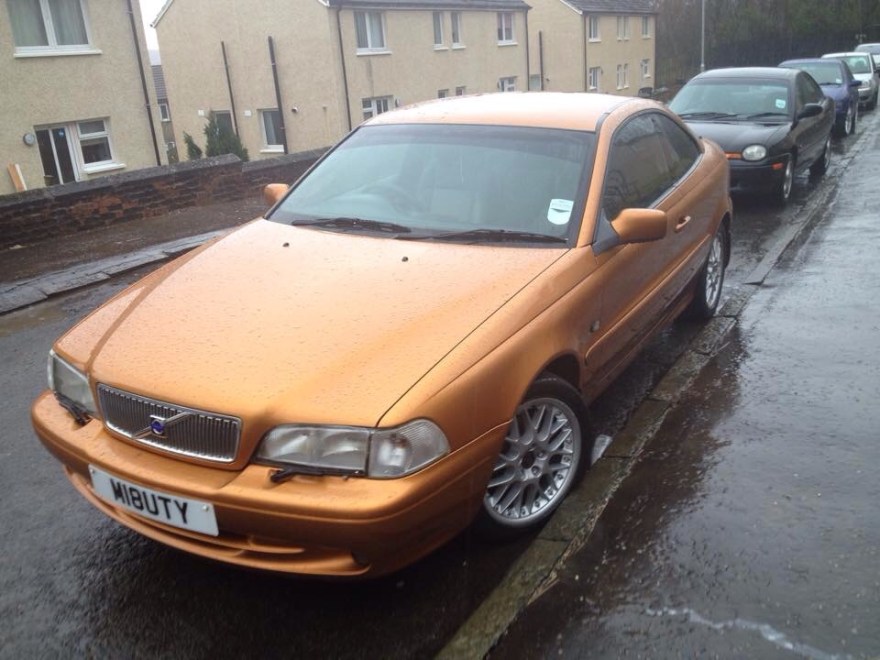
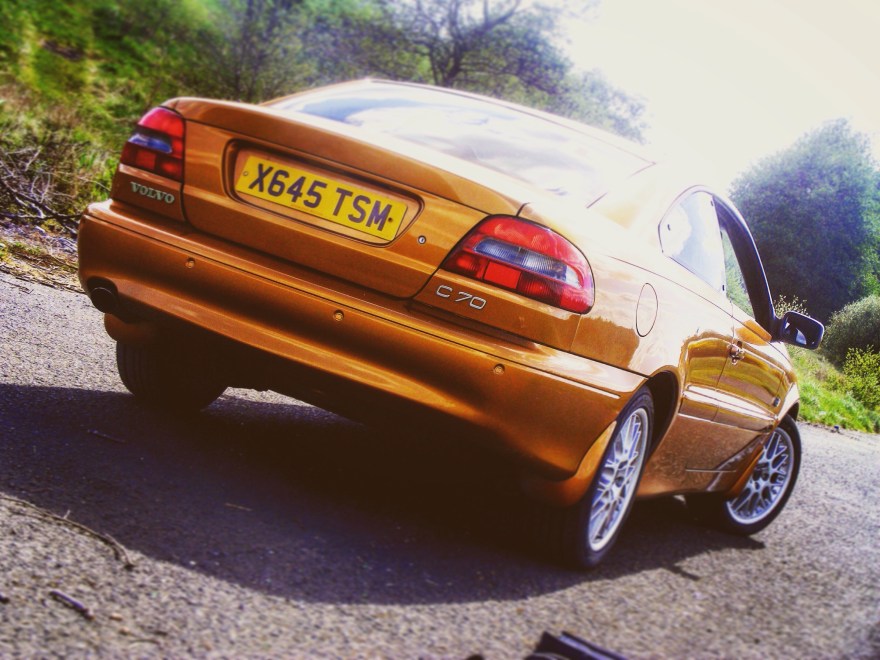
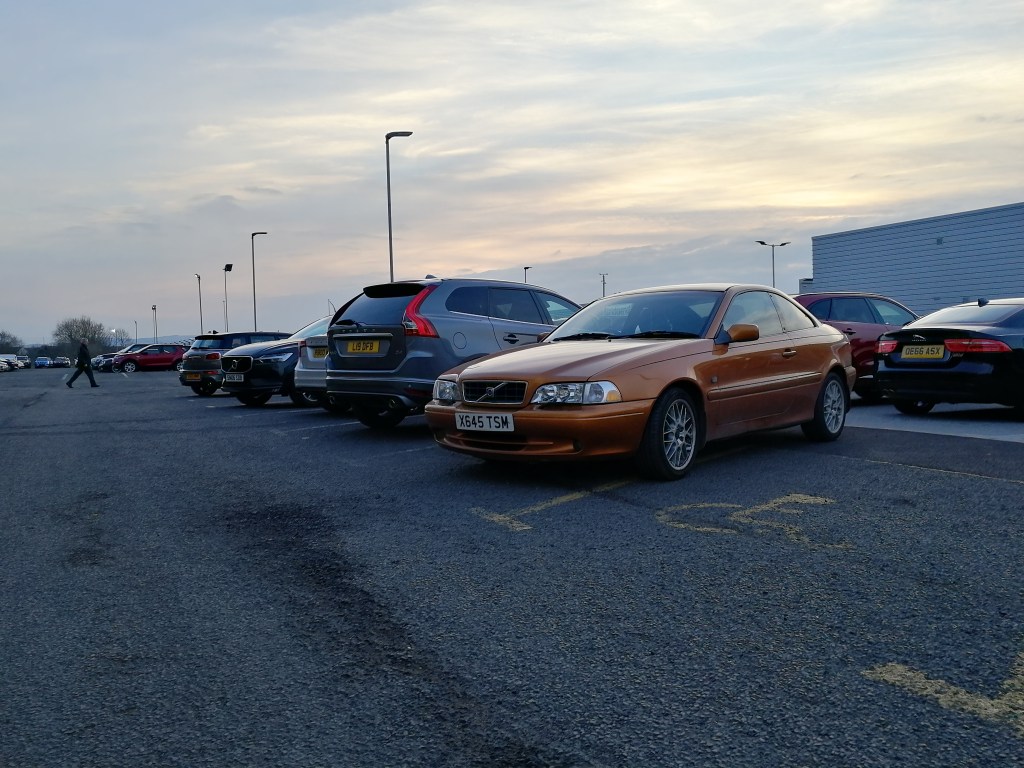
So what exactly do we have here then?! Well, ‘ProjectC70′ as she is known as, is a ’00’ Model year C70 Coupé, fitted to it is the smallest engine available for the C70, a 2.0T 5-cylinder unit (B5204T4) which is DOHC, 20v, Turbocharged and is made solely of Aluminium Alloy which makes It very strong yet quite light. The MK1 C70 in general was co-developed by Volvo & Tom Walkinshaw Racing or ‘TWR’ for short and sat on the ‘P80’ platform, the same platform as the Volvo 850 T5, T5-R and then later the 850R. The design was penned by none-other than Ian Callum under Peter Horbury’s supervision. C70’s production ran from ’96 all the way through to ’05 and was available either in Coupé or Convertible body styles. Three gearboxes were available with the C70 throughout Its life, these included two Aisin Automatic Gearboxes, an AW50-42LE 4-speed in the earlier cars and an AW55-50SN 5-speed in the later cars. There was only one Manual Gearbox option available and that was known as the ‘M56’. This was Volvo’s own Gearbox and was a 5-Speed affair that had also seen the light of day in the likes of the 850, the S70, the V70 MK1, the V70 XC & even in early models of the S60 & MK2 V70 that came out after the turn of the millennium. My C70 has the ‘M56’ Gearbox attached to it and it just adds to the whole driving experience, the gearbox truly matches the engine it’s bolted to and that really does make the 8 years of ups & downs worth it. Due to its age & the platform it sits upon, it’s also a lot more mechanical than some people might think.

Because of this, the little C70 is so easy to work on and is built so well that when something does break or needs replacing, you just fix the issue and need not worry about it again. Also because It’s one of the last cars where an owner can actually work on It themselves with simple hand tools, this means It can easily be fixed without plugging It in every time a warning light comes on or subsequently, needing to use really expensive, specialist tools. There’s something that’s just so satisfying about putting earphones in, music blaring, with tools in hand going to work on your own car and fixing Its little foibles!

In fact, that is probably the main reason why It’s still here under my ownership. The C70 has been such a joy to work on & fix as well as own that trying to find anything else to replace It with has had Its challenges. To some people, It may only be a 22-year-old car that doesn’t have a lot of value in It but to me, It’s become part of the family and has loads more sentimental value than actual monetary value. In fact, if someone was to come up to me and say that they’d give me the money to buy my dream car in my dream spec – an Aston Martin DB9, but that’d mean that I’d have to sell the C70, I’d keep the C70 hands down & no amounts of money will ever change my mind!

The C70 has always been there whilst I’ve dealt with my own personal issues over these last 8 years too, some of those include health issues, family issues, and, more recently, death, and even through all that It’s still there to help me through it. Some people use stress balls to take their minds off of certain things but I use the car.

Through the 8 years of ownership, It can be difficult to pick out a crowning moment that has stood the testament of time so It comes as no surprise that I’m having to rack my brain for a memory that sums the whole ownership up but if I was to pick a memory that made me feel really good, It’d be when I got it featured in a ‘Modern Classics’ Magazine a couple of years ago & wound up getting ‘Star Letter’. It’s moments like those that can really make ownership of a project car that little bit more enjoyable.

What I will say though is that over the 8 years of ownership, I still have the same amount of love for It that I did all those years ago when I first clocked eyes on It. Owning It for all these years has certainly been a challenge but I’d never change It for the world. To some people, cars just get you from A to B with no real reason or questions asked but to us petrolheads, the car is the whole reason!

Hope You Enjoy!

By Alex Jebson

What are my car-related plans going into 2023?!!!

So with 2022 coming to an end at the time of writing this blog, I thought I’d share my car-related plans with everyone in 2023. This year has been an absolute rollercoaster in terms of personal issues so as you can imagine, there haven’t been a lot of car-related shenanigans happening this year. Whilst I did get to see the absolutely incredible Aston Martin LM4 a couple of months ago, that was more due to luck than a planned event. With that in mind, here is what I hope will be happening in 2023 and if everything goes to plan, an old friend of the blogs might be making a return!

I understand that the blogs haven’t been happening this year due to a few things. firstly, I had to move from the Angus area of Scotland back down to the Ayrshire region of Scotland back in February which obviously took a lot of time, money & effort to do. Since moving back down this way, I’ve had to go job searching again which is never easy or quick. With everything happening, certain things haven’t quite yet come back home. I do plan on writing more come the new year and whilst I am indeed a car guy throughout, these last few years, I have found myself getting more and more into HGV’s/Semi Trucks so there could be a few trucks-related articles coming to the Blogs as a way to break up the usual posts I currently do.

People that follow my blogs and my socials may remember me posting about a ‘W140′ S500 Project that I’d acquired as both a 2nd car and an attainable dream car of mine. well, unfortunately, that deal fell through quite significantly and there was nothing I could do about it to keep the car. Add in the UK’s current economic situation and whilst it isn’t amazing, I couldn’t run a big old V8 in this current climate so that is no longer with me. Those that have been here since the very beginning will know that I also own a ’00’ Volvo C70 Coupė that has been said to be a keeper and that is still the case. Whilst on the subject of the Volvo, for those that are here for the C70-related content, I have some information!

To those that don’t know, the C70 is currently still in storage safe & sound up where I used to live & whilst that isn’t exactly what I’d like, be assured I haven’t abandoned it. I do have a plan regarding what will be happening with the C70 and believe me, it won’t be easy and it’ll be tough both mentally & physically but I am determined to get it running for an extremely personal reason that I will reveal in a further article. For the time being, what I will say is that I plan on making a list of the parts it needs and eventually buying & eventually fitting all the parts on said list. I can’t promise that it’ll be 100% completed by the end of next year but I hope to be pretty damned close.

Once the C70 is finished, I do plan on taking it to shows like the ‘Practical Classics Classic Car & Restoration Show’ that happens every October/November of the year. I would also like to take it on some road trips and these comprise of driving down to the village of Goathland down in Yorkshire to hang around with a good friend of mine as well as enjoy the roads that Yorkshire has to offer. I would also love to take it on a trip around the NC500 up in the Highlands of Scotland. I would like to take the C70 on other major road trips but they can wait for now. In the meantime, I’d take it to local meets and shows just like I used to do a good few years ago.

To make sure the C70 has the best fighting chance at being resurrected, I will only be getting the best Volvo Genuine Parts for it both from Volvo themselves as well as numerous different Volvo-related parts websites that are out there on the Interwebs. To make sure this is possible, I have started to save up some money so I can buy all the parts that I need to get her running again. The only downside in all of this really is the weather and time restraints due to not having a garage or carport down this way like I did up in Angus.

Even though not having a garage or a carport is a bit of a downside of living here, and even though I have the weather and time against me as well, I’m 100% in wanting to make this work. Now I know that fixing the C70’s issues won’t happen overnight and it will take a lot of dedication to make it come together but as of right now, I have started to make some effort by ordering tools & equipment together so that when the project does resume, we’ll be able to go guns blazing on the project which will mean more updates on the progress both quicker & a lot more often.

As mentioned earlier, I do plan on writing more articles over the year as I have been severely lacking in that area. I also need to be quite a bit more active on social media as well as I’m lacking there too, but I do hope that with progress on the car comes more opportunities to post and write in both areas. This might mean a few upgrades to my PC just so it can cope but with the right tools and know-how, I can’t see the PC impeding things.

I also want to support small, family-run businesses when I eventually get the C70 back home and start the work. Apart from getting a good amount of parts from the likes of Volvo and well-known Volvo parts suppliers, I really want to get a lot of the things that need to be done to that car by smaller, lesser-known companies. Not just because it’s the right thing to do but because for a majority of the time, they do a better job than the favoured & wider-known companies that the UK car community has to offer.

This does mean that I’ll need to travel to the region of Glasgow to get a good amount of the stuff done but I do feel like that’s a small fee to pay for the quality of the work. For the stuff that can’t be done around here, they will be getting sent away to England or elsewhere in the UK to get fixed. Even though I’d prefer to be face to face with a representative of a particular company that’s ultimately working on the car (so I know what’s actually going into it), sometimes things are out of people’s control and I know that’ll be the case when it comes to certain stuff that needs to be fixed on the car.

Now it has been known that over these last few years, I’ve not actually gone to town on the car as I used to do at the start of my ownership and that is, unfortunately, accurate but I really want to put all my effort into it come the new year because, for a start, I want to get back to appreciating it again and secondly, with prices of these cars going up and numbers of these cars going down, if I don’t save it, the MK1 C70 Coupė will slowly but surely start to dwindle away to nothingness and I really don’t want that happening.

That’s enough about the C70 though, next year I want to do a lot more things than just wrench and swear over the Volvo’s progress. I would like to get back to more events and such because I really enjoy going to them as well as taking pictures with my DSLR camera. I’d also love to get back to some car meets as well, especially Tartan Tarmac meets because they’re always run incredibly well by a great bunch of guys, plus, It’s been a long time since I’ve been to a meet hosted by them.

Primarily though, I want to get back to driving again. Whilst I have been driving since I was 18, I haven’t been able to drive properly for the last few years due to ill health & other personal issues. I’m hoping that can change within the new year because if there’s one thing I love doing and that is driving. Thankfully, we do have a plan in place so that I can get back to driving again which should be good. Getting back into the driver’s seat again will also come in handy when it comes to getting parts of the C70 fixed up.

The car I’ll be using for this is truthfully something a little bit different than I’m used to and dare I say something I’m intrigued about trying out. Since I was last down here back in 2020, the new family hack has been changed from a 2007 Seat Altea XL MPV thing to a 2008 Toyota RAV-4 MK3 High-Mileage-Hero. Now that change might not sound all that exciting to a lot of people reading this and normally I’d agree but the RAV-4 I’ll be sampling isn’t just a run-of-the-mill variant that’s nothing to shout about. I understand this doesn’t come up in conversation a lot but whenever the mention of an MK3 Toyota RAV-4 is mentioned, a majority of people run for the hills and rightly so but those who decide to stick around will ultimately find out that throughout its life, it had a plethora of powertrains available dependant on which market you were in.

For example, in the USA you could option the RAV-4 MK3 ‘XA30’ as it was known with, the then-current 3.5 litre V6 that was primarily found in the Camry of the same time. Over here in the Uk though, we got a 2.0 petrol 4-cylinder lump that put out about 130bhp, and 2 types of diesel engines available. These both came in 2.2 flavours or ‘Guise’ if you will. Normally, the 2.2 ‘D-4D’ unit put out 150bhp in standard guise but if you paid out a bit extra money you could get a trim level called the ‘T180’, as the name suggests, this variant had a 180bhp variant of the same 2.2 diesel found in the standard car. Attached to that was a 6-speed gearbox and AWD which made it surprisingly spritely compared to the 150bhp model and its competition at the time. Add in Toyota’s reliability, its rarity and the fact that it was the top-spec model of the ‘XA30’ here in the UK, and this meant that it had literally everything thrown at it from Toyota back when it was new.

Our ‘XA30’ ‘T180’ has around about 160k miles under its belt which is doing well for a 14-year-old car that has stayed in Scotland all of its life. In saying that though, compared to other cars we’ve had with similar mileage, the Toyota seems to be holding up a lot better. The plan with that car is to keep it going for the time being and slowly but surely get it to pass the 200k mile mark. I can’t see it being an issue personally because the way it drives at the moment would suggest it’s only on 60k instead of 160k but here we are. To be able to put miles onto it so it can reach the 200k milestone is something I’m looking forward to doing I can’t lie.

Generally speaking though, apart from sorting things out with the Volvo, getting behind the wheel of the RAV-4 and driving again as well as writing a lot more articles and keeping up with social media a bit better than I currently am, I don’t ever intend on changing too much. I’ll still be the same idiot breaking stuff and generally having a laugh whilst trying to work out and understand this wonderful thing called life and that’s all I could ever ask for or do.

So with all that being said, and with 2022 coming to an end, I hope everyone here has an incredible Christmas & New Year Celebration and goes into 2023 with their head held high. Even if 2022 hasn’t been your year, just remember that you’ve fought this far and you’ve gotten through it and better things are coming. Every day is a new day and regardless of how things have gone this year, there’s always a new year to look forward to. So from myself and my family to you and yours, I hope you’ve had a great Christmas and I hope you have an even better year!

Hope You Enjoy!

Alex Jebson

The Story of the Legendary Aston Martin LM4!!!

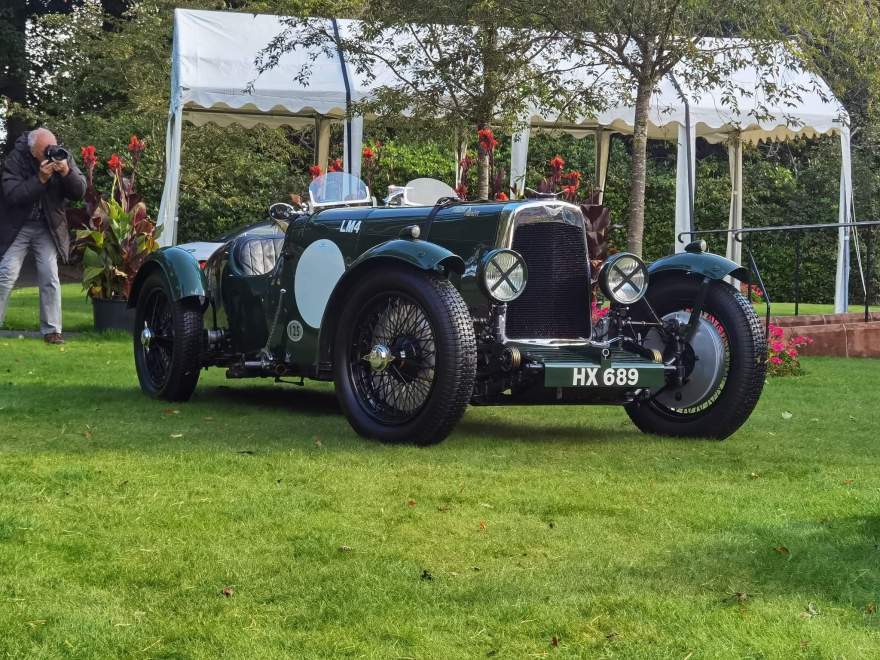
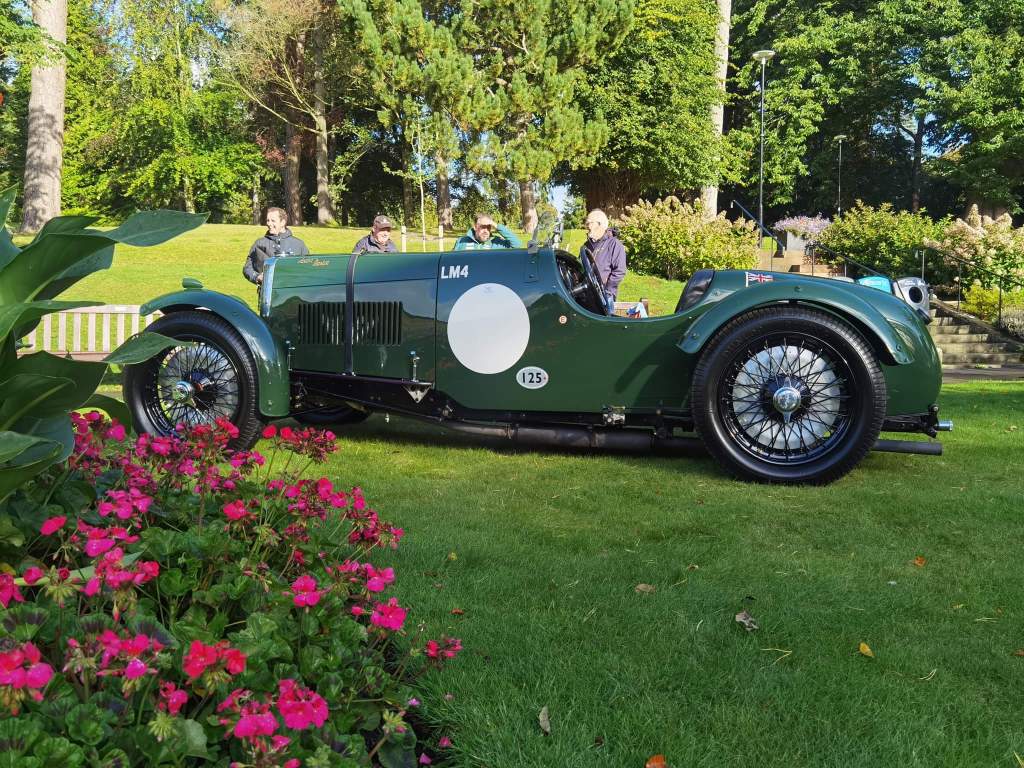
Anyone that knows me, knows that while I love cars of any kind, Aston Martin’s have my heart. Whilst I’ve been lucky to get up close and personal with some incredible machinery in my 25-year life, for me, being around an Aston Martin of any age makes me feel all giddy inside. I’ve been lucky to be around some incredible Aston Martins in my life but nothing comes close to what I got to see lately – the 1930 Aston Martin LM4.

LM4 getting manoeuvred around for pictures!

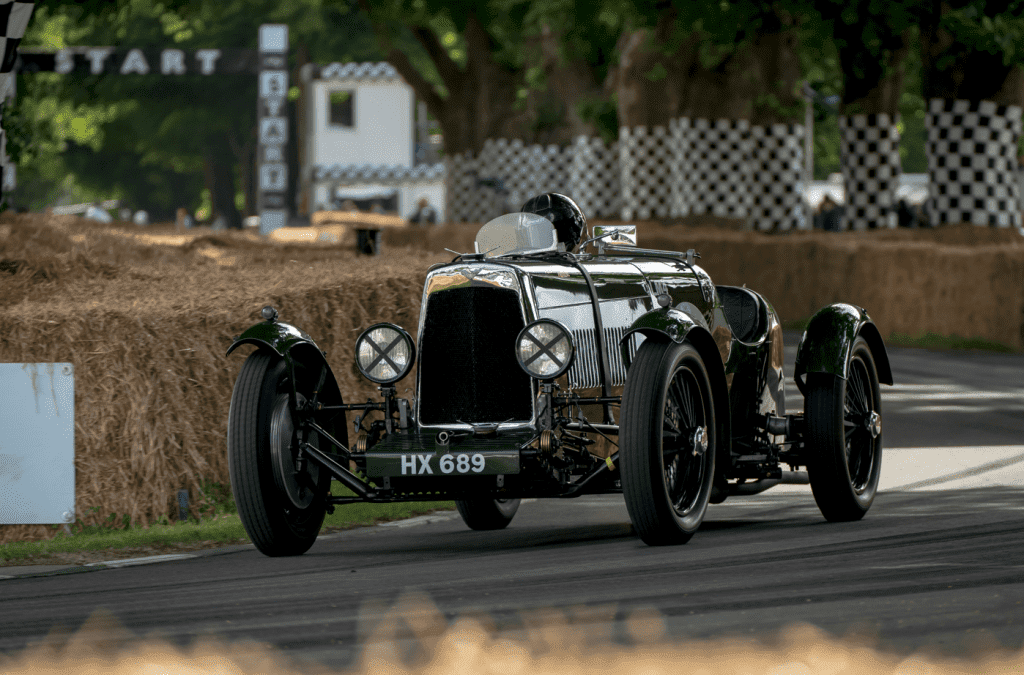
Built in 1930, The LM4 was built purely to go racing. Powered by a 1.5-litre 4-Cylinder engine, the LM4 was Aston Martin’s answer to Riley’s, Bentley’s, Bugatti’s & Frazer-Nashs. Even though a 1.5-litre 4-cylinder engine is considered small in this day and age, back in the ’30s, that was considered to be a large engine, especially considering that during its racing heyday, it was competing with cars that had anything from a 1100cc engine like seen in the Rileys all the way up to the Bugatti & Bentley brutes that were powered by 2300cc Supercharged & 4½ litre engines respectively. In Its racing days, LM4, piloted by Bert Bertelli, the owner of Aston Martin at the time, competed in the prestigious J.C.C ‘Double Twelve’ held at Brooklands, in June 1930 where it got 4th overall and 2nd in class. A couple months later, It won Its class at the R.I.A.C. Irish Grand Prix and came 7th overall with Sammy Davis behind the wheel.

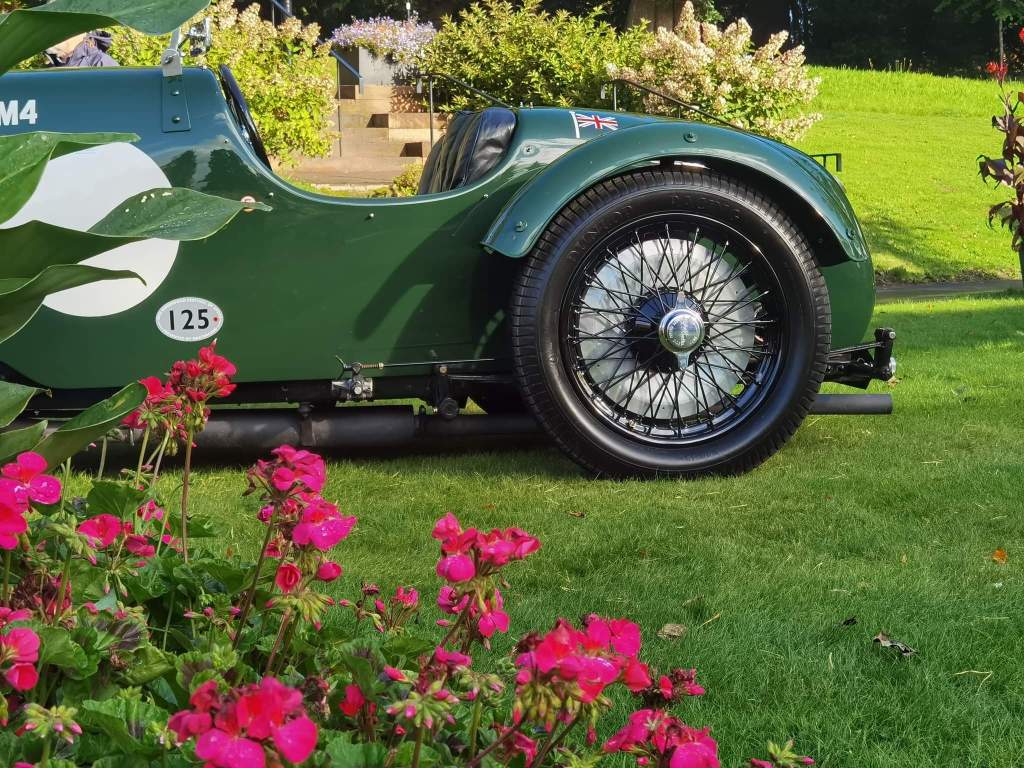
Brooklands is inscribed on the bottom of the aero screen, as that was the maker of the screen.

Once the 1930 season of racing was over, LM4 was sold to her first owner, Henry Leeson in 1931. Henry owned it for a few months before he sold it to Rolland Cookson. Cookson was an interesting individual, to say the least. Cookson was a young businessman that lived in the North of England who later in life became a wealthy industrialist and local hero in the North East, Cookson was also very charitable as well. . However, when it came to recording the address for the car, he decided to put the address as Belleisle House & Park in Ayr, Scotland. Why he did this remains a history but two theories have come forward as to why he may have done this. The first is that Cookson spent an extended honeymoon at Belleisle House, fell in love with the place and decided to address the car there. The second theory was that he had some business at Belleisle House, loved his time and ultimately addressed the car to the house. What made him put Belleisle House as the address of the car we’ll probably never know but one thing is for sure, after seeing the car revealed there on Tuesday, I can personally see why!

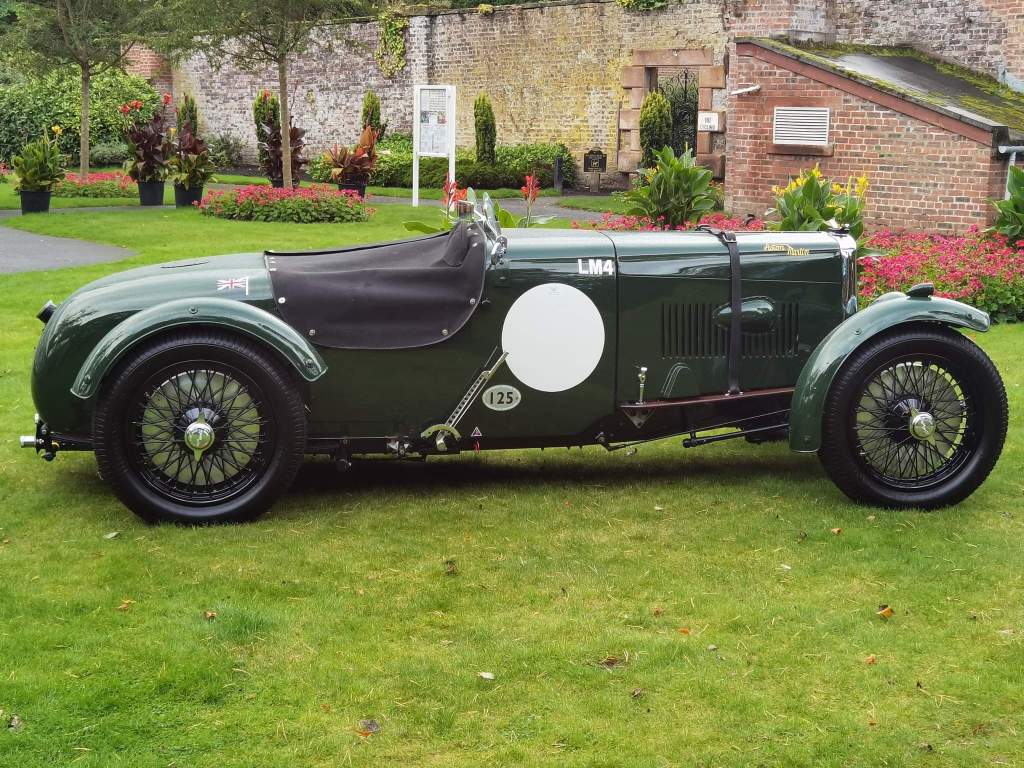
LM4 basking in the sun!

After Cookson owned & raced the car for a little while, he decided to sell it and ultimately moved his interest to Bugatti’s. LM4 went through 6 owners throughout her life. The current owners have only had her for a year but since ownership, they have taken her to Goodwood for the ‘Festival of Speed 2022’, and Silverstone for ‘Silverstone Classic’ but plan to take her to other racing events during ownership. There is also a book that will be written about the car in the forthcoming future that will piece all the history & story together.

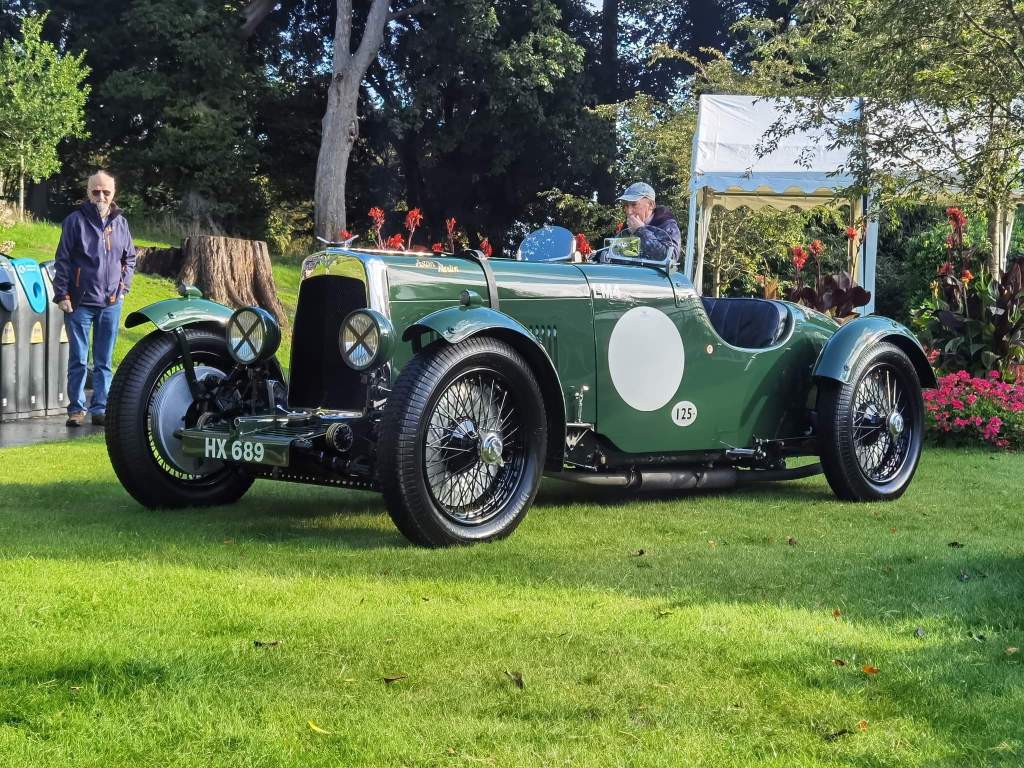
LM4 thundering up Goodwood Hill at ‘FOS 2022’

During the late ’90s, LM4 was restored to an extremely high standard, with all the unique factory-lightened castings retained. The car went through quite a lot of bodywork in that time but has maintained its originality whilst also remaining practical. LM4’s restoration left no stone unturned and you can really see that when looking around it. The engine was rebuilt to its full racing specification by Ecurie Bertelli. the original engine has been kept with the car, making it possible to rebuild if possible. In 2021/2022, the car went under a recommissioning overhaul by Ecurie Bertelli and the body was repainted in its correct shade of green by Aston Martin Works down in Newport Pagnell.

After restoration, LM4 went back to racing with its previous owner & has enjoyed outings at Le Mans Classic back in 2002, 2004 & 2006. in 2006, it was driven by-then CEO of Aston Martin, Dr Ulrich Bez, mirroring Bert Bertelli back in 1930. LM4 is also capable of racing at Monaco Classic, Goodwood Revival, Le Mans Classic, Silverstone Classic & potentially the Mille Miglia as well.

LM4 herself is very rare, but not for the reasons you might think. See, in the thirties, it was somewhat common practice to have a “Touring Body” put onto an already existing racing chassis and this was done to make it that bit more practical for everyday use. LM4 however, still has her original type of body that was used when it was raced. LM4 is known to be the best-looking pre-war Aston Martin ever made and that’s because of features like its cut-away doors, its exhaust that exits under the car making the bodywork look sleeker and its signature racing green paint. As already mentioned, LM4 is powered by a 1.5-litre 4-cylinder engine that is capable of speeds of approximately 90mph which might not sound like much in this day and age but when you consider that its 92 years old, doesn’t have any drivers aids whatsoever and it sits on very thin tyres and huge drum brakes, 90 mph sounds scarier than normal. The drivers in the period that were able to pilot LM4 were something else indeed!

Another thing to mention about LM4 is her overall size. While she isn’t exactly tiny, she isn’t overly huge either. The other thing to note is her weight too. Being a race car, LM4 is quite light and when you add that peppy little 4-cylinder engine into the equation, it was no surprise that in her heyday she took class wins and placed in the top ten both at Brooklands & the R.I.A.C Irish Grand Prix. LM4 isn’t incredibly wide, in fact, at Tuesday’s event where she was bought up to Belleisle House to potentially bring back some memories for some people, she was easily piloted down a footpath towards the Greenhouse where more pictures could be taken. try doing that in a modern race car and you’ll definitely struggle.

LM4 Being piloted down a footpath!

It also shows how easy it is to drive as well. even though it doesn’t have any kind of driver’s aids and is very much of the period, it drives really well in the modern day. One of the guys who was helping with the event had the pleasure of manoeuvring the car around and whilst chatting to him about the car, he was sure to tell me that driving LM4 around the House & Park was one of the easiest vehicles he’d ever piloted. This is also shown in any of the Youtube videos about it. LM4 is more in line with a classic Aston Martin Hill Climb car than a Grand Prix car.

LM4 suits her surroundings!

Before I wrap this piece up, I would just like to thank Steve Waddingham and his crew for setting the event up on Tuesday. I’d also like to extend my thanks to the staff at Belleisle House & Park for their incredible hospitality too. Everyone that I spoke to was genuinely lovely to speak to and was super respectful to any stupid question I may have asked them. I truly & honestly believe that I’ll never get to experience a car like LM4 ever again unless I’m super lucky so for that reason alone, I have to thank everyone who set the event up for creating something that’ll stick with me for years to come!

Hope You Enjoy!

Alex Jebson

Here’s why the W140 ‘S-Class’ is the King of all S-Class’

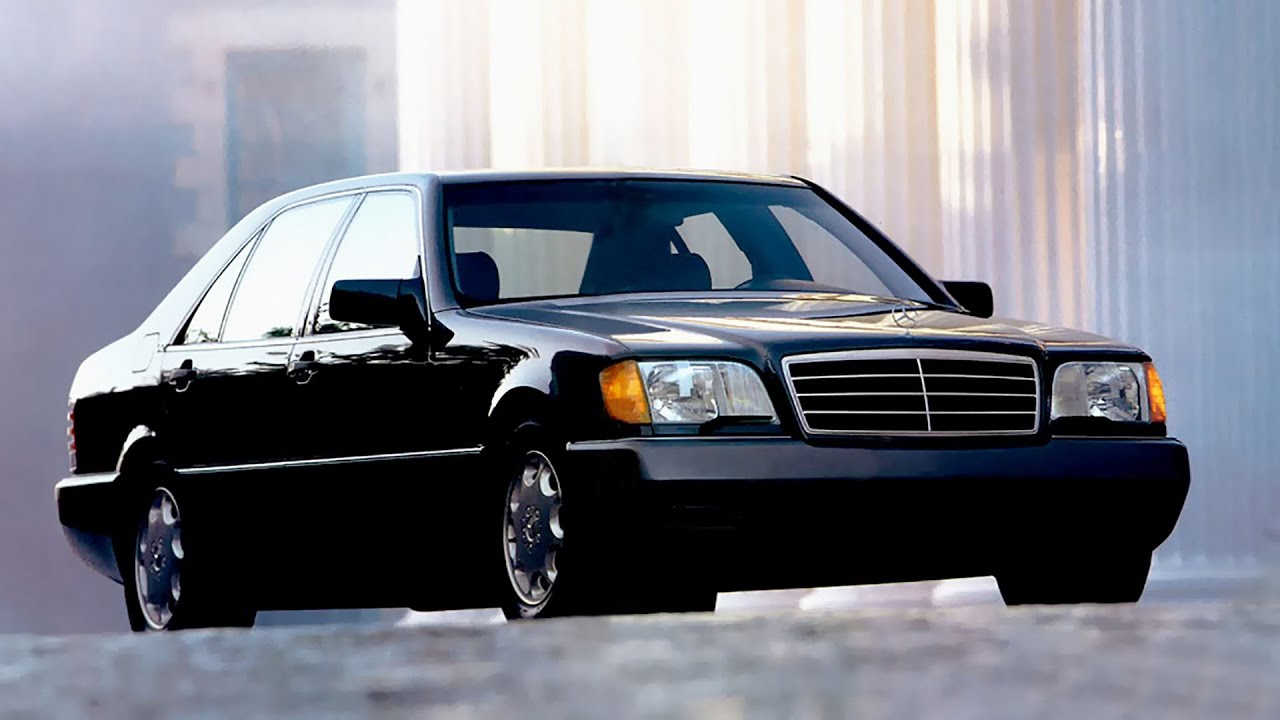
When it comes to car types, I am a very simple person with simple tastes. I’m a big fan of Coupés hence my C70, I also like 4×4’s like Range Rovers & Land Rover Discovery’s and last but not least, I am a massive fan of Luxury Land Barges like Audi A8’s, BMW 7-Series’ & the Jaguar XJ Series. Out of the pick though, if I had to pick a favourite Luxury Land Barge, the Mercedes-Benz S-Class has to top the list. Whether it be for it’s technological advancements, out & out luxury or even it’s capabilities, the big Merc will always be my pick. Throughout the generations though, there’s only one that really ticks all boxes and that’s the MK3, otherwise known as the ‘W140’.

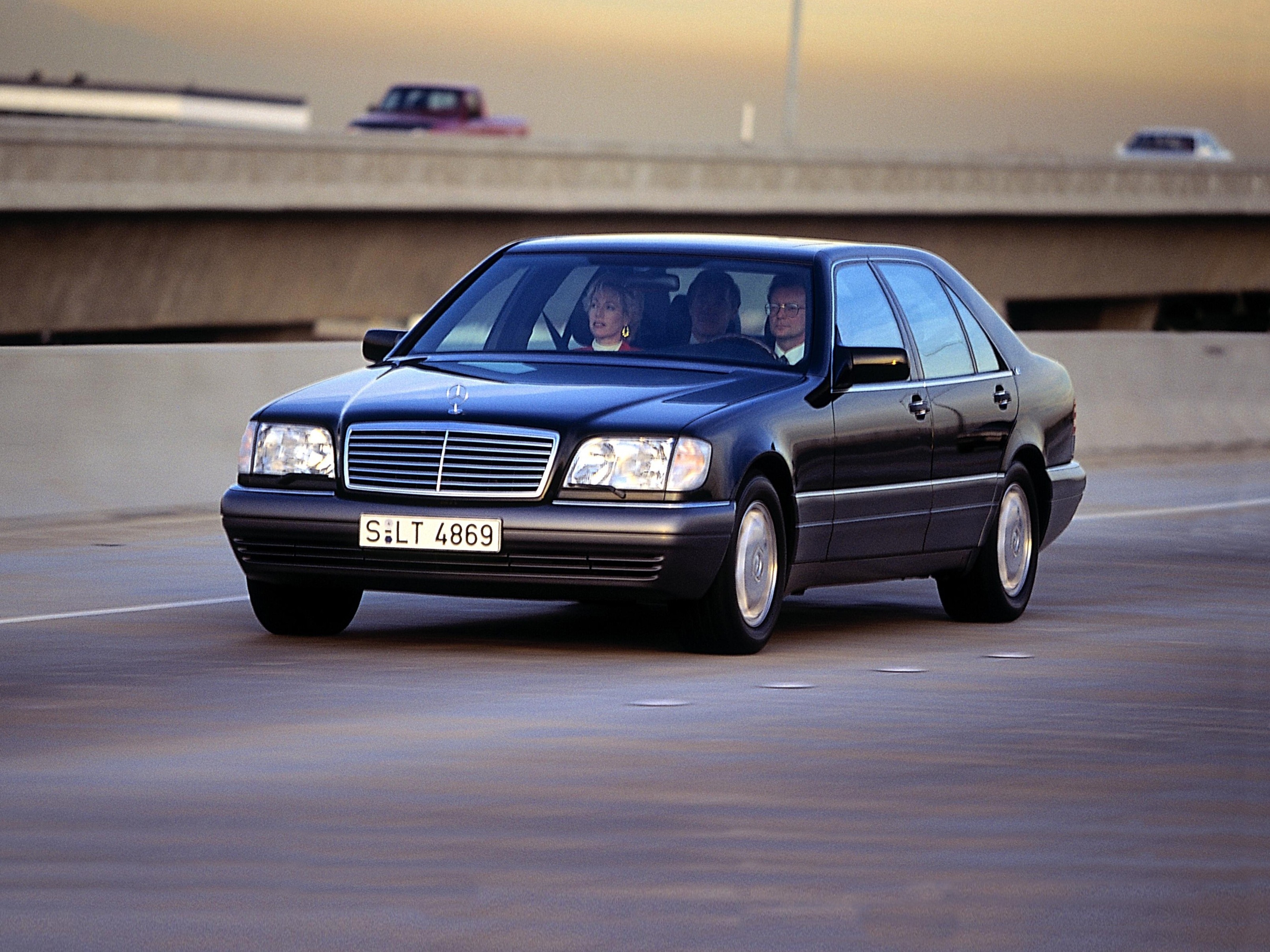
mercedes-benz-s-600

With this as a signature S-Class piece, when the W140 was put on sale in 1991, it too like it’s predecessors was filled to the brim with never-before technology. These included Traction Control & ESP, Multiple Airbags, Double Glazed Windows, Rain Sensing Wipers, Parking Poles/Sensors, Soft Close Doors & Boot/Trunk, Multi Link Suspension all round, Rear Self-Levelling Suspension as well as much more.

pic_1

It’s no surprise that the ‘W140’ had so much technology. Even though the car itself ran throughout the majority of the ’90s, the Development of the ‘W140’ actually started in the very early ’80s and was 10 years in the making before actually going on sale 18 months after it was originally meant to. It cost Mercedes-Benz so much money to develop ($1B Dollars to be exact) that many high up MB Employees either left or were sacked because of how much it was actually costing the company to develop & build. Prior to this, no other Mercedes in the world cost $1B Dollars to develop and build. This did however mean that the ‘W140’ was the last over-engineered MB to ever be signed off. the ‘W220’ that followed in 1998, while a technological masterpiece, was built to a price compared to its predecessor.

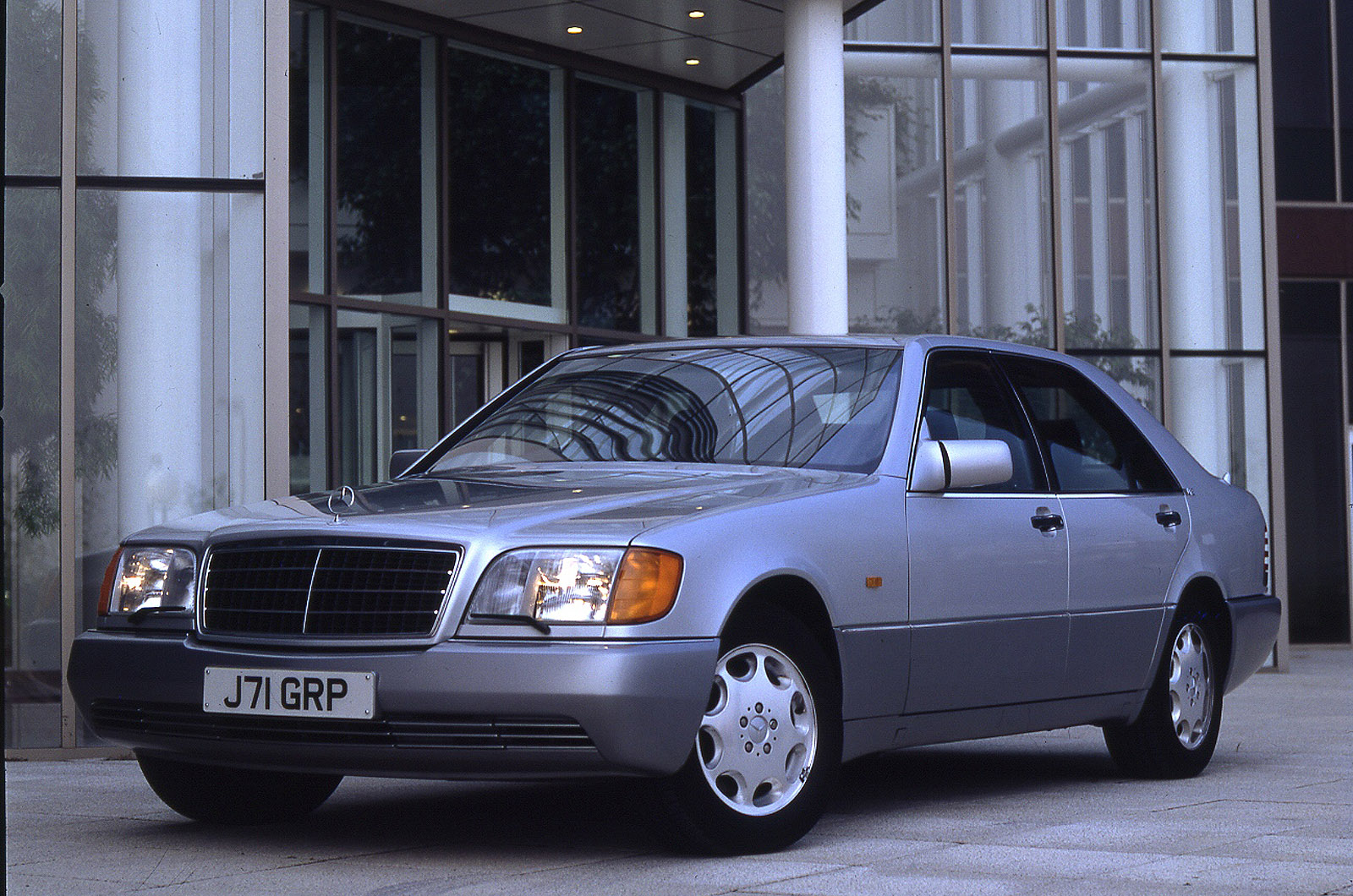
003-w140-s-class-becomes-classic

Design was headed by the one & only Bruno Sacco. The W140 looked a lot like the ‘W124’ E-Class & the ‘W201’ 190E of the same age and that’s because it was within Bruno’s best interests to create a ‘Family Tree’ look to the Mercedes-Benz line-up at the time. This aspect also followed through to the interiors as well. It’s a known thing that if you couldn’t quite stretch to the price of a well-specced W140, you could go for a W124 instead and get a very similar product albeit in a smaller package. Regardless of what Mercedes you got at the time though, you were getting a product that was renown for having an impeccable build quality. With the W140 though, the bosses at Mercedes-Benz really took the crown when it came to the ‘Large Luxury Vehicle’ class. Compared to its rivals like the Lexus LS400 and the BMW 7-Series, the S-Class was in a completely different league Luxury wise to the rest of it’s competition.

51096293907_cd0778d287_c

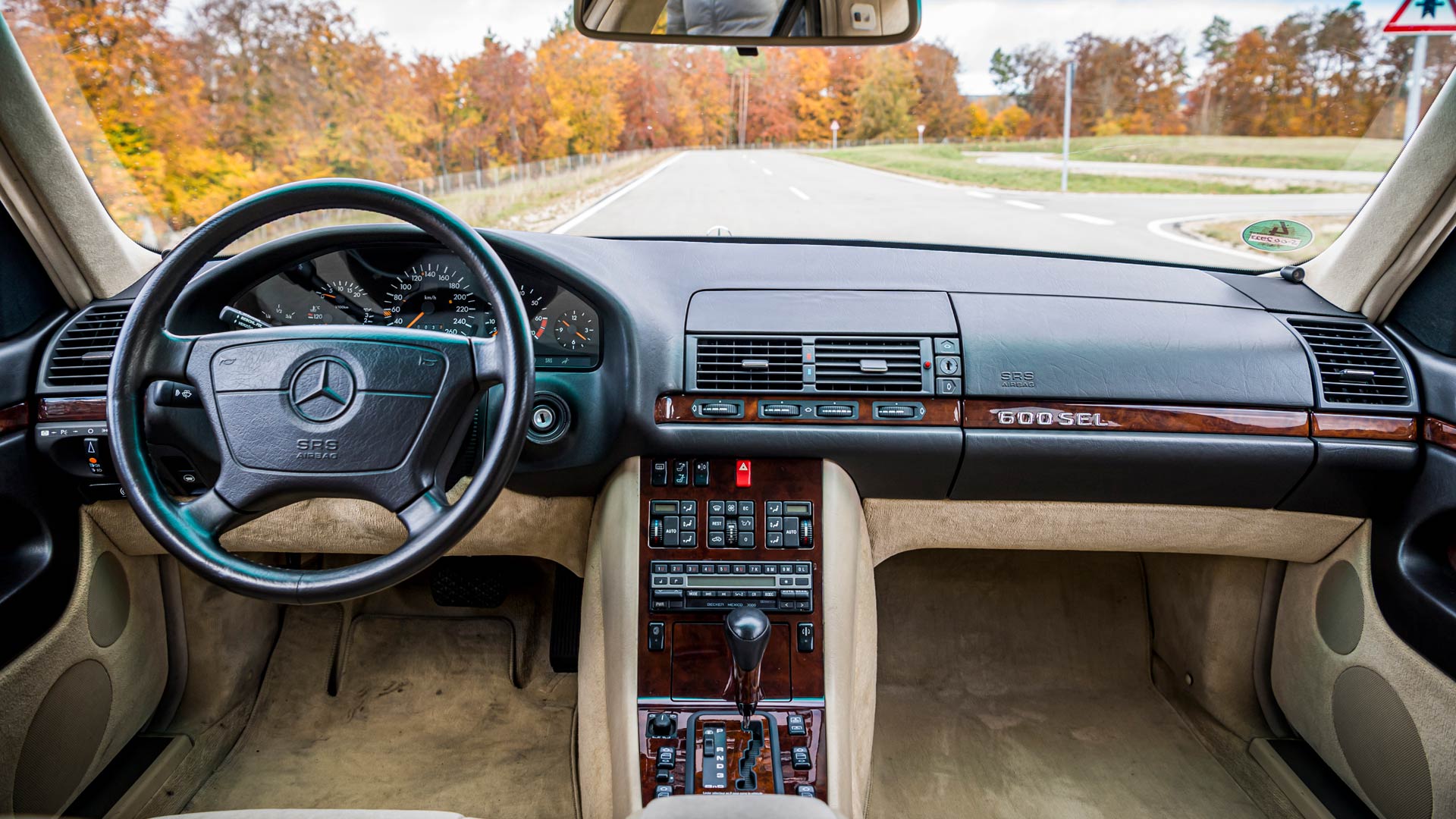
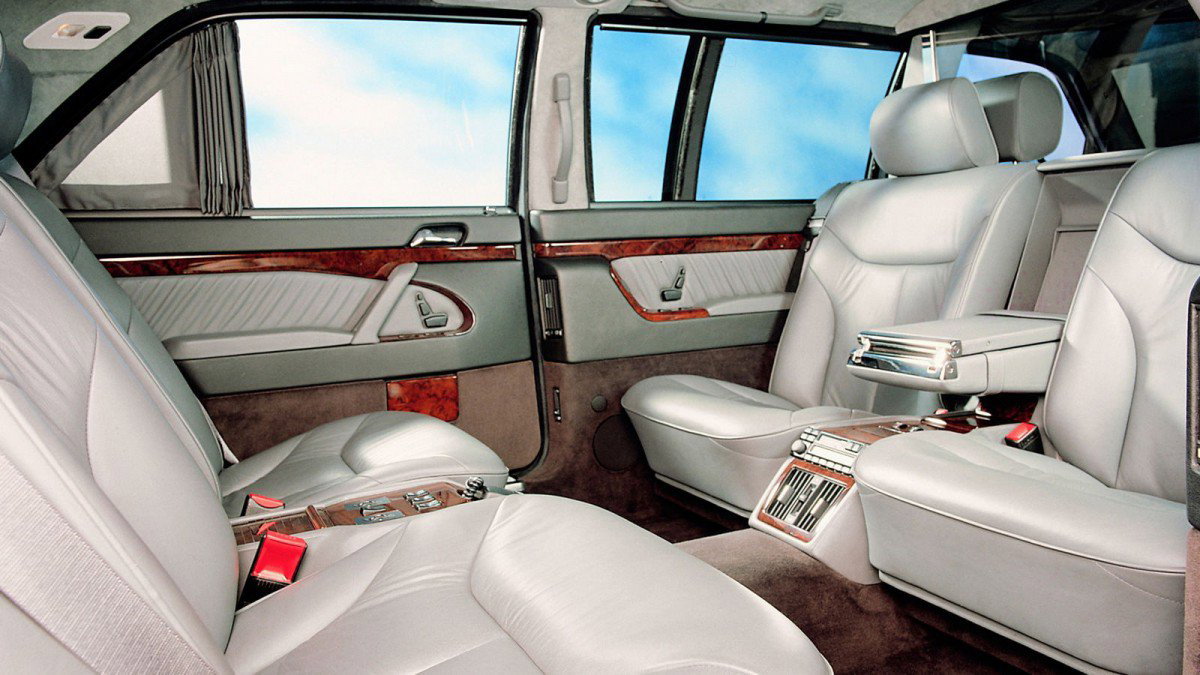
Wood and real Leather adorns every single area of the interior, it has electrically operated seats with the option of having the rear two electrically operated and reclining as well. you have Vanity Mirrors for all passengers, 4 Zone Climate Control with vents all over the place. you could also option to have your S-Class as a 4-seater as well as a typical 5-seater with a rear bench. Memory Adjustable Seats make sure you are always able to get comfortable behind the wheel. You could also option an electronically operated rear sunshade that rises to block out the sun. Being the ’90s, the S-Class was one of the first cars to have the ability to have factory fitted Phones to it. On the earlier models, you also had parking poles in the rear quarter panels as rudimentary rear parking sensors as well. Compared to the competition, the S-Class cosseted you in sublime luxury & refinement and overall, like the name suggests – It gave the owner a sense of absolute Class!

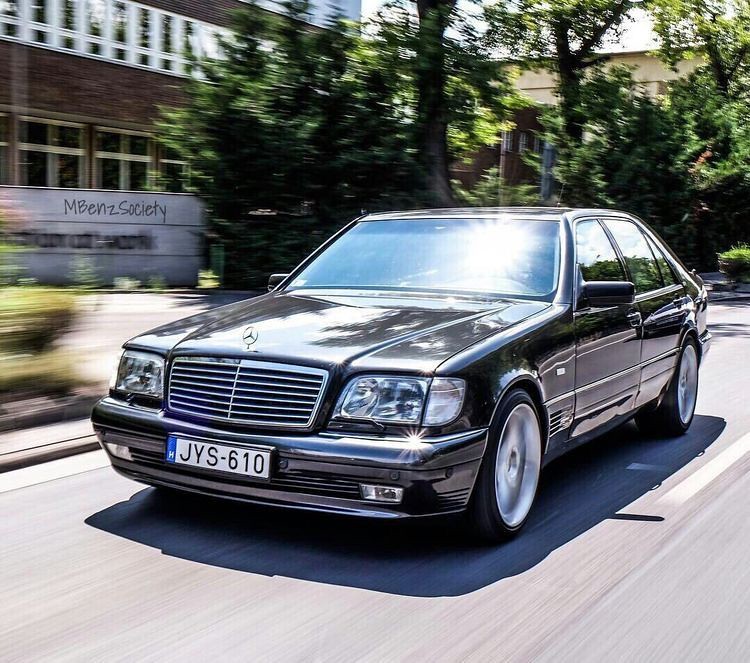
maxresdefault

Like all luxury vehicles of the time, there was a plethora of engines available, ranging from low powered 6 Cylinder units all the way up to 8 Cylinder & 12 Cylinder units, there was an S-Class for anyone and everyone. For the fuel savvy Businessman/Woman, there was also a Turbo Diesel engine available as well, a first for the S-Class and a first for Luxury Cars in general. The W140 was also available with both an Automatic & Manual transmission depending on what engine you picked. The 8 & 12 Cylinder models exclusively came in either a 4 Speed or 5 Speed Automatic whereas the 6 Cylinder models could be optioned with a typical 5 Speed Manual Gearbox as well as an Auto. 

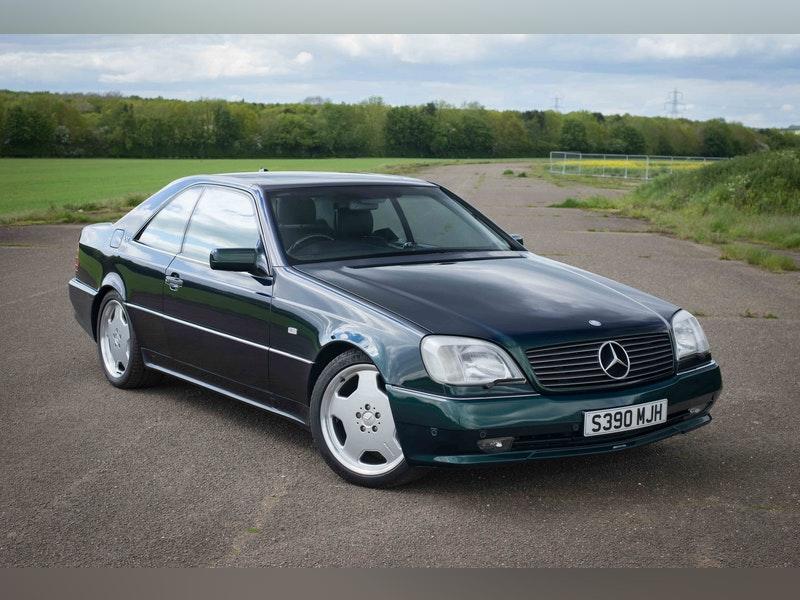
The ‘W140’ came in 4 different body styles. these consisted of a ‘SWB’ Saloon, a ‘LWB’ Saloon, a stretched limo esque saloon called the Pullman & a 2-door Coupé known internally as the ‘C140’. Wheelbases varied from 119.7 inches for the ‘SWB’, 123.6 inches for the ‘LWB’, 115.9 inches for the ‘C140’ & 163 inches for the Pullman. Out of the body styles available, the ‘C140’ and the Pullman need to be talked about a bit more as they’re not as well documented in the ‘W140’ world.

Starting with the ‘C140’ first, as already mentioned, this was the Coupé variant of the ‘W140’ and it replaced the older ‘C126’ MK2 S-Class SEC’s. This was a very difficult job as the SEC’s were a favourite during the eighties. Just like the W140, if you had a C216 when new, you were a very important person indeed. Even though pretty much everything was the same as the saloon, the C140 didn’t quite have the same impact from the start and this was due primarily to it’s different front fascia to the saloons which in comparison didn’t suit the car as well as it should’ve done. These days, a ‘C140’ in good condition is quite a rare car here in the UK with only 30 licensed S500’s at the end of last year. Considering there’s 769 S500 saloons currently licensed on the UK roads, there’s not many C140’s left.

Moving onto the Pullman, this variant is very special indeed. The Pullman name has been synonymous with travel since the 1920’s. For those that don’t know about Mercedes-Benz Pullmans, they are an extremely rare, luxurious & stretched version of big Benz Saloons built officially by Mercedes themselves. The Pullman name goes back to the late 1800’s, before the Motor Vehicle had even been Patented by Mercedes-Benz themselves so due to this, it started off with the Railways. An entrepreneur by the name of George Mortimer Pullman patented the ” Pioneer” sleeping car in 1868. Up until this point, rail travel wasn’t great due to overall lack of space meaning people had to huddle in cramped compartments cushioned with straw sacks. Blankets weren’t even available unless a Passenger brought their own. This is where George came in. He detected a gap in the market and created a sleeping car that impressed with it’s spaciousness & comfort.

Even though it was considerably more expensive than a conventional sleeping car, by the time the 1920’s came around over 100,000 people per night were checking in to the Pullman wagons. Due to the popularity of these sleeping cars, the Pullman Palace Car company transferred what they learnt & implemented from the Railways onto the automotive industry, which they also supplied with vehicle bodies. Thus the Pullman name in the Automotive Industry started. Since then a Pullman coach has been heavily regarded as the top class of luxury, comfort & exclusivity.

Pullman vehicles were built with a much longer wheelbase than a majority of standard production vehicles thus allowing the likes of Mercedes-Benz to develop a car with a lot more space by fitting two, and more, rows of seats and four to six doors & windows. Most Pullman developed vehicles were intended to be owned by the wealthy and to be driven by chauffeurs. This element still stands today.

The most famous & well known Pullman model was the 600 series from the Sixties. This was a car that’s whole philosophy was to be the largest & most expensive Mercedes-Benz ever produced and boy did they succeed. The standard Grosser was already a large Saloon but the Pullman took the cake. A car known to be owned by high ranking officials at the time, The 600 in general was a true masterpiece of Mercedes-Benz craftmanship. With this in mind, they decided to use the exact same philosophy onto the W140 Pullman.

Even from the start of production, the W140 was a car that had no care for a budget. Mercedes-Benz wanted it to be the best of the best and they went out to prove that. As mentioned, it took 10 years of R&D just to create the legend that is the W140 in it’s entirety but with the Pullman that went a step further. Just like the 600 Pullman that came before it, this was a stretched version of the normal LWB W140 with 4 doors & six seats. it had luxuries such as a glass partition between the front & rear passengers, it had curtains, walnut trim, a stereo for the rear passengers, leather seats that were all electrically operated amongst much else. The Pullman was also available with or without armoured plating which is vital considering the people that owned these cars when new.

On the subject of owners, the W140 had a high calibre of owners. these included both mine & many other people’s top F1 Driver – Michael Schumacher, Madonna, Penelope Cruz, Jack Nicholson & Chris Tarrant to name a few. During the 90’s, the W140 was the US rappers choice of car and these included Tupac ‘2Pac’ Shakur, Curtis ’50 Cent’ Jackson and many more. The W140, just like the 600 Grosser was also a fan favourite of being owned by dictators and numerous Gangs/Mafia’s. These included the Yakuza, the Russian Mafia, Vladimir Putin, Kim Jong-Un’s predecessors & the Albanian Mafia.

The Yakuza especially absolutely loved the W140. If you were ever in Japan during the Nineties and you saw a W140 coming towards you, you were automatically obliged to move out the way. This also translated to Europe as well where the W140 was also used to ferry numerous celebrities & royalty around. In fact, in a sad twist of fate, a ‘S280’ W140 was the car that Princess Diana unfortunately died in back in 1997. After the fateful crash where 3 people in total, Diana included had died, Mercedes-Benz took the car back to their headquarters to see what actually caused the crash and what was concluded was that the car did everything it was meant to do and it wasn’t at fault. There’s still some speculation today on what actually happened on that fateful night. some people have said that if she wasn’t in a S280 and was in something like a more powerful ‘S500’ instead, the driver may have been able to outrun the paparazzi that were following. Others state that if everyone in the car were wearing their seatbelts then they’d have possibly been able to survive the crash.

Regardless of what happened though, the W140 both when new and even now nearly 30 years on has become something of an Icon in the car world. It’s road presence cannot be matched and with a plethora of engines available, the MK3 S-Class has cemented itself in the Automotive industry as being not just the last of the well-built Mercedes-Benz’ but also as a king of the road. With Engines like the ‘M119’ V8 & the ‘M120’ V12 (the first ever Mercedes V12) that also became legends in their own right, it was no surprise that it was and still is a huge success & when you put it all together, it only makes sense to buy one so that’s exactly what I’ve done!

Hope You Enjoy!

By Alex Jebson

Here’s Why You Should Invest In An MG TF Whilst You Still Can!

With multiple whispers going around about what ‘Modern Classics’ to invest in, one car keeps popping up time after time when the spotlight is shone onto small, low powered sports cars and it’s not what you might think it is. I am of course talking about the humble 2002 – 2005 MG TF!

Starting out in 1995 as the humble MGF, the TF was released in 2002 by MG Rover as an updated & overall better driving version of the earlier F. Where the MGF had Hydrogas suspension that was known for being soft and compliant but not really sporty, the TF replaced that system with typical springs and shocks, creating, with other parts, an improvement of torsional stiffness by 20%. The TF also had mechanical improvements over its predecessor as follows. Engine wise it now had 2 engines available with 4 different power outputs.

Starting off with the base model TF ‘115’, this model was powered by a smaller 1.6l K-Series I4 producing 115bhp & 107 ft-Ibs of Torque that propelled it to a top speed of 118mph and a 0-60 of 9.2s. The ‘115’ was a very distinctive due to having a lot of ‘poverty spec’ features, these included no front fog lamps as standard & black painted mirrors and air intakes instead of colour matched on the higher specced models.

Next up was the ‘120 Stepspeed’ that used a larger 1.8 I4 K-Series engine producing 118bhp & 122 ft-Ibs of Torque giving it a top speed to match the smaller ‘115’ but with a slower 0-60 time of 9.7s due to the 6 speed ‘Stepspeed’ CVT Automatic gearbox that was both carried over and used from the older MGF as well as the MG ‘Z’ Cars of the same period. Of all the TF’s available, the Stepspeed is the oddball out of them all simply due to having the option of an Automatic in a low slung sports car.

After the Stepspeed was the TF ‘135’, this version was powered by the same 1.8 used in both the Stepspeed and the older MGF’s but had a power increase to 135bhp & 122 ft-Ibs of Torque. Because this was a manual though and had more horsepower, it could achieve a top speed of 127 mph and a 0-60 of 8.2s. Out of all TF’s available, the ‘135’ was the common configuration bought and produced and this was because of its low cost, low tax bracket and its low insurance group for the power it had.

For the MG Enthusiast and Sports Car driver, the one to have is the ‘Trophy’. This was a rare but fantastic little variant of the TF and that was due to a 1.8 I4 K-Series putting out a whopping 160bhp & 128 ft-Ibs of Torque. Top speed was a very respectable 137 mph with a 0-60 time of 6.9s.

Alongside all of those TF’s available above, there was also three limited edition versions of the TF’s created. The 80th Anniversary LE, the 85th Anniversary LE & lastly the LE500. All these variants were limited numbers to celebrate MG’s heritage as a Sports car manufacturer. All of these variants are extremely rare with top money getting handed over for good, low mileage examples.

The 80th Anniversary was released in 2004 to celebrate the 80th anniversary of MG. Only 500 were produced for the UK market with three engines available, the ‘120’ with the ‘Stepspeed’, the ‘135’ and the ‘160’. Only available in Pearl Black, Starlight Silver & Goodwood Green, these also had a colour co-ordinated interior with the black & silver coloured cars getting a burgundy roof with an interior combining of Ash Grey, Grenadine Alcantara & black leather seats. The seats have ‘1924 MG 2004’ embroidered into the seats and to finish it off, they have a bright-finish centre console, door casings, gear knob and handbrake grip.

The Goodwood Green coloured cars were more traditional in style with a tan roof fitted with a matching tan interior. Black Alcantara and Tan leather seats are also embroidered with the ‘1924 MG 2004’ on the seats but instead of the bright-finish parts, they’re finished in wood effect for the doors, the centre console & the gear knob all coming together to compliment the leather steering wheel. Options included a MP3/CD tuner, a 6 Disc CD Autochanger, a Passenger Airbag, a choice of either a black, white or colour coded hard top roof, air conditioning & a ‘Sports Pack’ that lowers the car by 10mm as well as numerous uprated suspension components.

The 85th Anniversary in particular isn’t just a pretty face. Based heavily upon the ‘135’, this limited edition model features many high grade suspension upgrades that include Bilstein dampers, thicker Eibach anti roll bars front and rear as well as a lowered ride height. On top of this, they were only made in 3 colours.

The LE500 was made and introduced in 2008 to celebrate MG’s new ownership under the chinese group SAIC. A limited number of only 500 were built in limited colours and came standard with 16″ alloy wheels, a matching colour hard top roof, larger 304mm front brakes and leather seats.

All TF’s had a facelift over the older MGF and these included new headlamps & tail lamp units, side intake grilles as well as new bumpers and a new boot. On top of that, the TF’s had an uprated air induction system as well as uprated camshafts meaning that the TF’s produce more power than the older MGF’s. All TF’s have a 4/5 star safety rating as well.

In 2008, SAIC took over the production of MG and the TF after a hiatus of 3 years. Due to the Longbridge plant being shut down, SAIC built the new TF’s in their own Chinese plant and imported over. Differences between the two are different grilles as well as other cosmetic changes. These Chinese made examples are considerably more expensive than the Longbridge cars with prices being pretty much double than a standard UK car.

Reliability for MGF’ & TF’s are not too bad. Now I’ll agree that they do have issues, including the infamous head gasket issues that the K-Series engine is forever plagued with. Thankfully by the time the TF was released, there was a kit already made to uprate and upgrade the TF’s headgasket making it way more reliable. Talking to current & previous TF owners, both cars don’t really have issues with the head gasket unless they’re completely thrashed within an inch of their life. On the whole though, you shouldn’t really have an issue with a TF if you were to buy a good one.

Compared to its rivals, the TF looks as if it can’t compete but you have to look it like this. Yes, a Mazda MX-5 will be way more reliable and the MK3 Toyota MR-2 may have a better engine and a Lotus Elise will be way more fun but the TF is the better all rounder. the MK2 MX-5 isn’t quite as good as the original MK1, the MK3 MR2 was a complete flop after the sublime AW11 and the unbelievably pretty SW20. The Elise, while a better car overall, is way more money than even the best TF out there for sale.

The MG TF has now found itself now being a collectible car that is only going up in price. If you want a good one then you’d need to get buying now before they all become sought after and expensive. Hopefully with this article, it helps anyone out there looking to buy one a little bit easier to understand. If it was me, I’d be on the lookout for either a 1.6 ‘115’, a 160 Trophy, an 80th Anniversary, an 85th Anniversary or even the later SAIC built LE500’s as these are the rare ones to find for sale.

Whatever TF you wind up buying though, you’ll be getting yourself into a fantastic little low slung sports car that’ll excite every part of you as well as being either a perfect weekend car or even daily driver. As far as entry level sports cars go, you can’t go wrong with an MGF and TF!!

Hope You Enjoy!

By Alex Jebson

My Thank You To The Volvo Community!!

With all the downfalls you can have of owning a car you absolutely adore, it is safe to accept that in this screwed up world and society we all live in, if you are into cars like myself and others the car community will always be there if needed. Whether that be owners clubs or even a general car club you are involved in, if you run into issues they’ll be there to help. With that in mind, I want to introduce you to the Volvo Community and all the things they have done for me over these last couple months.

As some of you have noticed, I wasn’t posting a lot on here or on all of the related social media I have for this blog and while I have wanted to, I haven’t been able to due to a bad bout of family issues causing us to move. While I don’t want to get into it too much, it had been happening for a good while now causing all of us involved going our separate ways.

Both me and my mum have recently moved to Arbroath and are now in the process of settling into our new place and ultimately starting afresh. Due to what happened, there was a few things that needed working out and with all of what happened, the C70 was needing. Now while I’m allowed my car back as it is my own car, due to it previously not running, I had to sort something out to get it moved.

This led me to getting in contact with a good friend of mine called Rich who has been an absolute star! Where others would fail and not help, with decent advice given, both me & Rich decided to post out onto the Volvo groups we’re both in asking for some major help in both getting it moved as well as trying to get parts together so the C70 can run again and as a result of both of our actions (Most of which was from Rich), the outpouring of love, support & overall help from tons of members in the groups over these last couple months has been astounding to say the least.

Not only did a guy called Gordon get in contact with me to pick the car up, store it for a little while at an undisclosed location, get it running again and then deliver it to the new address. I also had many people offering up both garage, driveway and unit storage for the plucky little C70. In times like these, both from a personal level as well as a society level it honestly astonished me to have so much support brought my way considering the situation we were in. With society taking a massive downward spiral these days, it’s amazing to see that there is still a bunch of amazing people out there still.

Alongside the support I had, all of my closest mates were also giving me support to get through everything and for that I have the utmost respect for every single one of them. I am not normally the one to ask for help or support so to be given it in the circumstances was honestly incredible.

With everything that has happened, the C70 will finally be shown the love it so desires, Since owning that car I have never let it leave my side so to have it at the new address under its new Car Port home is amazing. My plan at this current moment is to get all the parts it needs and get them fitted for a Volvo Event next year down at RAF Elvington for a Guinness World Record Event. By giving myself a time limit of just over a year, this’ll give me enough time to get it fixed to it’s best abilities ready to show off as well as thank certain people properly in person.

If there was anything I could take out of the situation I found myself in, if any of you reading this are having family issues or anything, simply get out of there ASAP and get the right support needed for you and anyone involved, believe me when I say It’ll get better!, don’t be afraid to speak up and get the help you need from the likes of emergency services and the likes. For me, both the Volvo Community and numerous mates came out in force over these last few months and have helped me out tremendously with everything that went on and for that I can’t say thank you enough and appreciate everything they have done however large or small!

By Alex Jebson

Here’s Why You Should Follow Michael’s Vintage Racing!!

In the world of motorsports, it is very easy to get caught up in different styles of racing. Whether that be NASCAR, Rallying or even the LeMans 24hr that happens every year. Out of all the different kinds of motorsports out there, one stands out above the rest and for very good reasons and that is vintage racing.

47579226_2016162198682389_3294692012879511552_o

Not just are the cars fantastic and the racing even more intense due to having way more wheel-to-wheel action, the drivers are on a completely different level to others. There’s nothing like seeing a classic & expensive ’60s Aston Martin DB4 GT go toe-to-toe with a multi-million pound Ferrari 250 SWB or even a Jaguar E-Type Lightweight. Watch any footage from the Goodwood Revival over the years and you’ll see exactly what I’m on about.

75497638_2425924301039508_542254329008096464_o

One thing that isn’t really brought to attention in all of the racing & atmosphere is the crews behind the drivers & all the beautiful cars and this is where Michael’s Vintage Racing come into play. Ran by a father & son crew out in the New York region, Michael’s Vintage Racing is a race-shop that has been running for well over 20 years and there whole ethos is very simple. To keep vintage race cars out of barns and garages and to have them racing on the tracks where they ultimately belong.
104452199_2413006318997973_4550752801022954694_o

Every car they go out and buy, they both celebrate & study the history of the vehicle as well as it’s prowess in the sport. Whether that be with their ’66 Lotus 41 Formula B or with their ’66 Lotus Cortina MK1, each car gets the same treatment when it comes to celebrating & studying the history & prowess of the disciplines these cars were in.

TB13-0310-1

As already mentioned, Michael’s Vintage Racing is a Father & Son ran company, this is good for two reasons. First of all there’s more of a connection involved with customers being it’s a family ran business and secondly, Both father & son are very well schooled when it comes to Vintage Racing.

about-us-page-handshake

Mike Clifford Sr. has been involved with cars since he was a teenager and he draws on decades of experience with both road and race cars from all different motorsports disciplines, including working with the N.A.R.T.’s Luigi Chinetti way back in the early ’70s. By the ’90s, he took everything he knew and applied it into the vintage racing scene & has stayed there ever since, due to this, he has unparalleled knowledge & history of vintage race cars as well as a deep rooted appreciation for them as well.
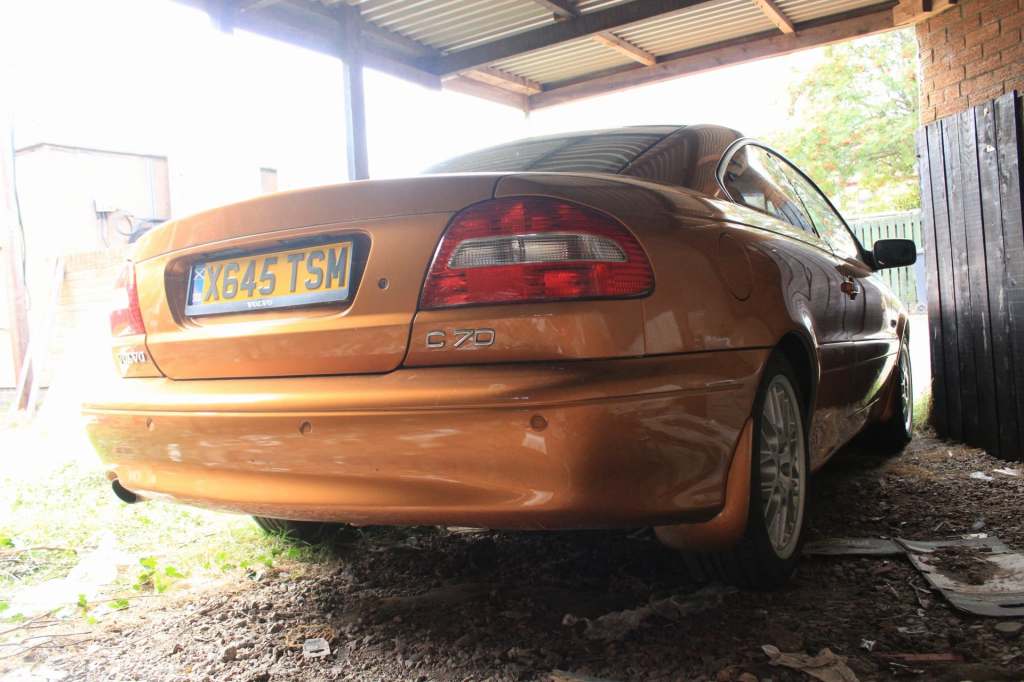
WG-VRG14-7404_crop

Due to this love for the vintage racing scene, when Mike Clifford Jr. came along it was only right that he followed in his father’s footsteps and that he did. His first build was a Triumph Spitfire 1500 that he fixed up with help from his old man. When it comes to racing, Mike Jr. has achieved numerous wins in Lotus Cortina’s as well as having a proven track record in a Ginetta G4. On top of all of that, he has a lot of mechanical knowledge to keep all the cars race ready. With all of this, he is more than capable of taking the company into the modern era.

48359928_362555247841318_4854703110645350400_n-smaller

Mike Jr. has a lot on his plate when it comes to looking after the fleet of cars. Unlike most people who may have at most 5 cars to go through depending on space, Mike has 16 race cars to and what a list he has as well. From a 1956 Lotus 11 S1 to a a 1974 Datsun 240Z and everything in between, the garage is both amazing and eclectic to say the least. All of the cars race too and are always race-ready as well, they’re not used for showing off and I like that.

47578884_2016165182015424_5212897868393742336_o

On top of the cars they own and the history both Mike Sr. & Mike Jr. have, they also provide services as well and these include: Vintage race car restorations on pretty much everything and everything, whether it be a saloon, coupé or a formula car they’ll restore it. They also race-prep cars as well and these include: all facets of the engine, brakes, suspension and drivetrain service and repairs, chassis inspections and repairs, suspension inspections, crack testing and repair work, shock and spring testing, alignment and suspension geometry to dial the car in for racing, fluid and filter changes, a brake system service and service as well as a complete tyre test.

13029427_1563833653915248_2987990923534267110_o

They also deal in Transport and Trackside services so if you find yourself needing help with either getting to events or needing help getting the car setup, these guys are on hand to help you every step of the way over a full race weekend. They can either pick the car up or you can have it delivered to them; either way, it’ll reach the track safe & sound. If you go for their arrive-and-drive service, they’ll take care of everything to make sure that all you have to do is drive the car and have fun and at the end of the day, having fun is what it’s all about in vintage car racing.

48380819_593185144459489_8923100977586765824_n-smaller

Driver training is also a service they do as well so if you’ve never driven a vintage race car before or if you haven’t had a lot of seat time in a race car before, these guys are once again on hand to help you out. With every single classic race car feeling different, it can be very easy to be thrown by the way one car drives to another and with the driver training service being available, these guys make sure that they can get the most out of the drivers performance.

81802818_2287311631567443_3308480507167113216_o

With history in motocross as well as over 20 years in vintage racing, Mike Sr. has achieved many race wins and track records in various types of cars. While Mike Jr. is still a student of racing, he also has a proven track record for driving fast in multiple kinds of classic race cars and currently holds a track record in a Ginetta G4. He has won many races and awards while being behind the wheel of a Lotus Cortina.

82855892_2287311591567447_5730864224142360576_o

Like many others, I love watching classic cars go wheel-to-wheel racing regardless of value or history and while I respect people buying these cars as either an investment or to keep it around for people to see, It’s even better to see them where they belong – on the track and with Michael’s Vintage Racing and all the services they do, they are keeping the vintage racing scene alive and kicking and it is great to see. Go check them out and see for yourself how amazing they really are!


Hope You Enjoy!

By Alex Jebson