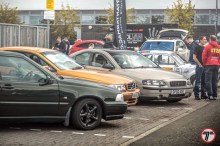
In the world of motorsports, Touring Cars is one of the most revered racing series going. Unlike Formula 1 or Rally Racing, the whole ethos of Touring Cars is to have close racing between top drivers and top teams whilst driving cars you would normally see parked on the street. Back in the early days of touring cars, a phrase was coined. That phrase was ‘Race on Sunday, Buy on Monday’. This phrase was coined so people would watch the close racing on Sunday and then hopefully buy the road-going version of the race car on Monday. For decades, that simple phrase created rivalries both on & off the track and has created many memories along the way.

Unfortunately, in this day and age, it seems that Touring cars have somewhat lost their way. Sure the racing is still very close and there are top teams from all over the country taking part but it seems to have lost its edge. Back in the eighties & nineties, this was different. In the UK we had the likes of the ‘SuperTouring Era’ of the British Touring Car Championship (BTCC) but in Germany, they had something even better called the ‘Deutsche Tourenwagen Meisterschaft’ or ‘DTM’ for short.
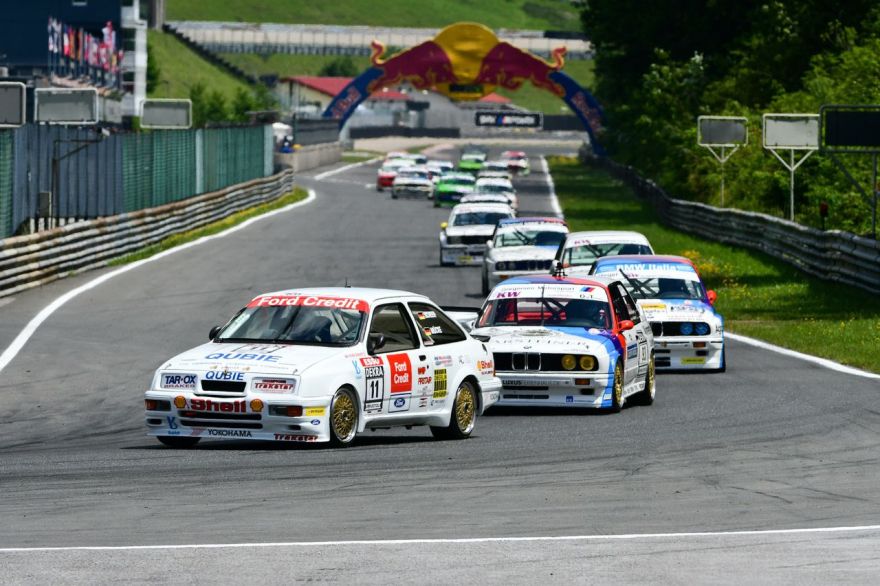
DTM was the epitome of touring car racing during the 80s and the 90s. DTM was established way back in 1984 and whilst that doesn’t sound too long ago, it would’ve been 40 years old last year. Originally featuring races at iconic German circuits, the series started to really gain traction towards the late eighties and early nineties.

The main reason for the increased traction during those times was due to a lot of different factors. Firstly, the racing was incredibly close. It was completely normal to see multiple battles happening throughout the field of cars. Talking of cars, a lot of the popularity came from the cars themselves. Compared to the SuperTouring Era of BTCC mentioned earlier, the DTM Cars were completely different gravy.

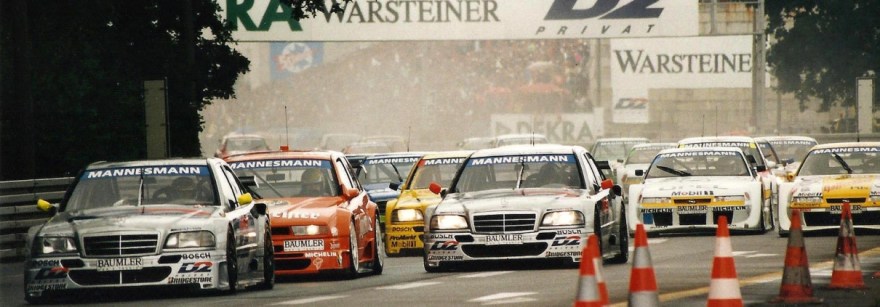
You had a plethora of different manufacturers competing against one another with a lot of those cars being homologation specials. These included the BMW E30 M3, the Mercedes-Benz 190E Evo II, the Opel/Vauxhall Calibra DTM, the Ford Sierra RS500, the Audi V8 Quattro & of course the Alfa 155 V6.
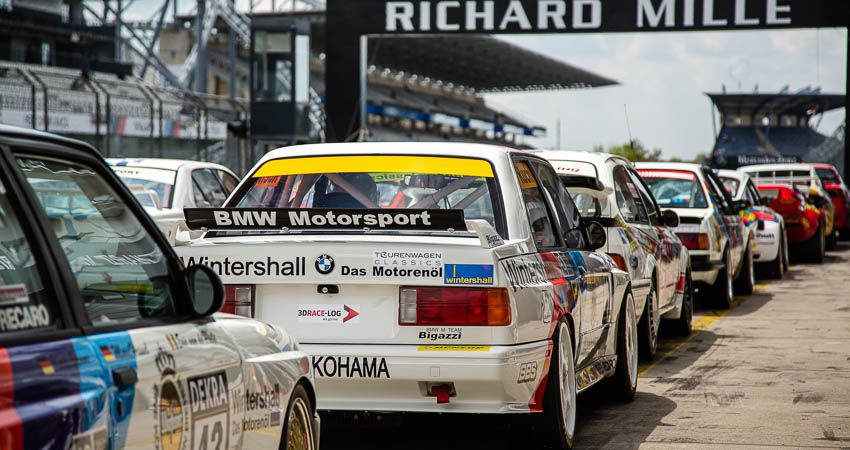
Every car that competed also had different characteristics as well, Take the M3 DTM for example. Based upon the second generation BMW 3 Series (E30), the E30 generation of the M3 was the first generation of the M3 model that has become synonymous with high-performance motoring. When competing in the DTM series, it soon became one of the most prolific race cars to ever exist.
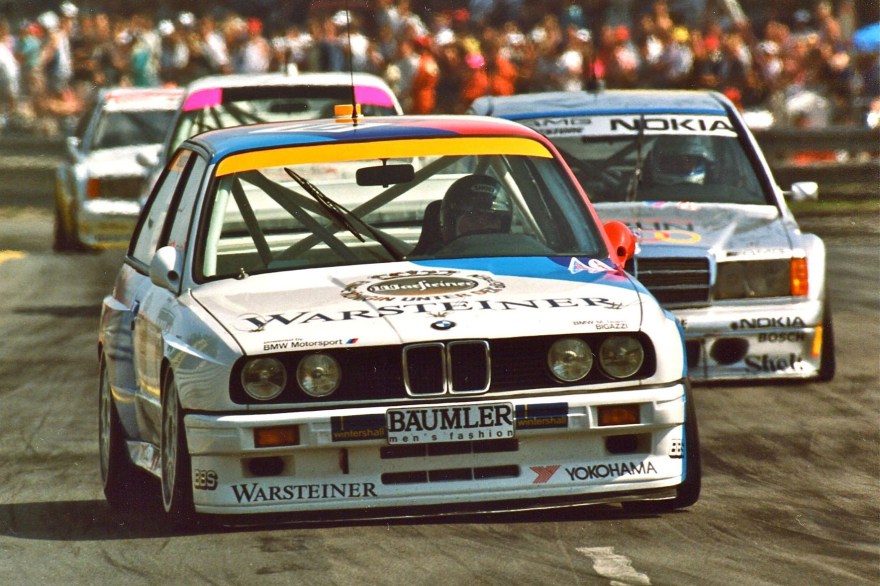
With Its light weight, it’s superb handling & powerful engine, it was no surprise the M3 became a legendary car in the DTM series during the 1990s. With the BMW becoming a very successful race car, it had a lot of stiff competition and rightly so.
One of these competitors was Mercedes-Benz. As any motorsports fan knows, Mercedes-Benz has a lot of history on the race tracks and even now in 2025, they’re still at it in both Formula 1 and WEC/GT racing. During the days of DTM, they took the humble 190E, shipped it to the UK to create the M3-rivalling 190E Cosworth 2.3-16 and then improved it even more to create the two homologation models, the Evo I and then the insane Evo II.

While the Deutsche Tourenwagen Meisterschaft was first contested by privately entered Mercedes-Benz 190E 2.3-16s in 1986, it wasn’t until 1988 that Mercedes themselves made its factory debut in the competition.
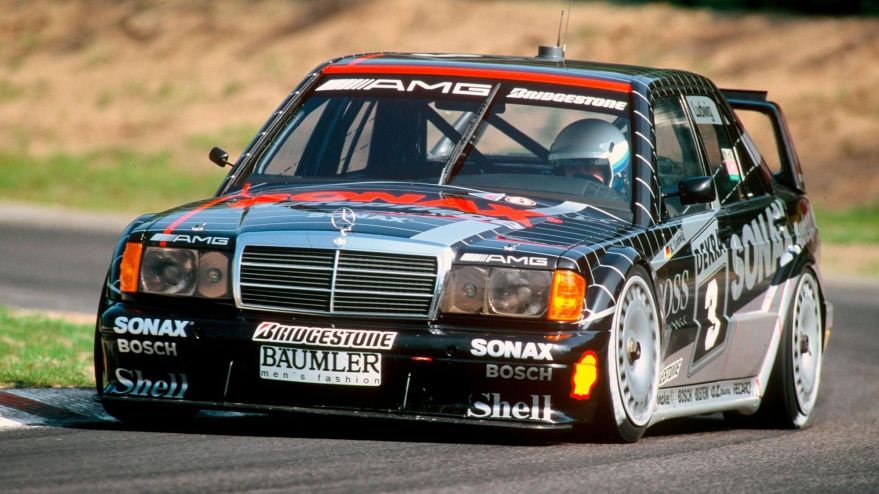
Mercedes had designs to conquer the field alongside its long-time technical partner, AMG. Incumbent champion, Klaus Ludwig, was taken from Ford to Mercedes-Benz’s 1989 campaign, unfortunately, the first three seasons didn’t entirely go to plan and were deemed to be an underachievement.
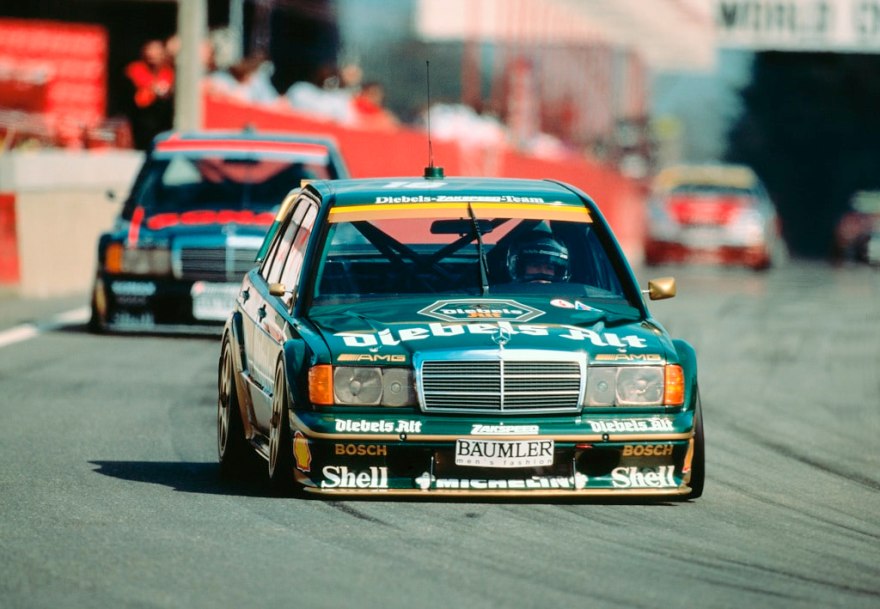
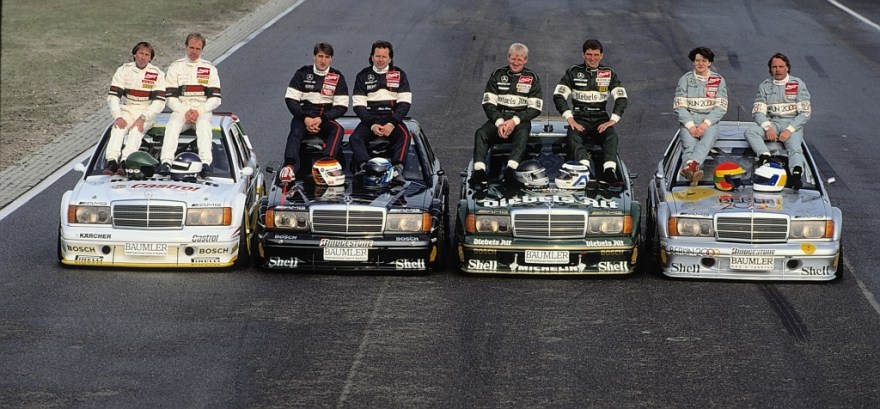
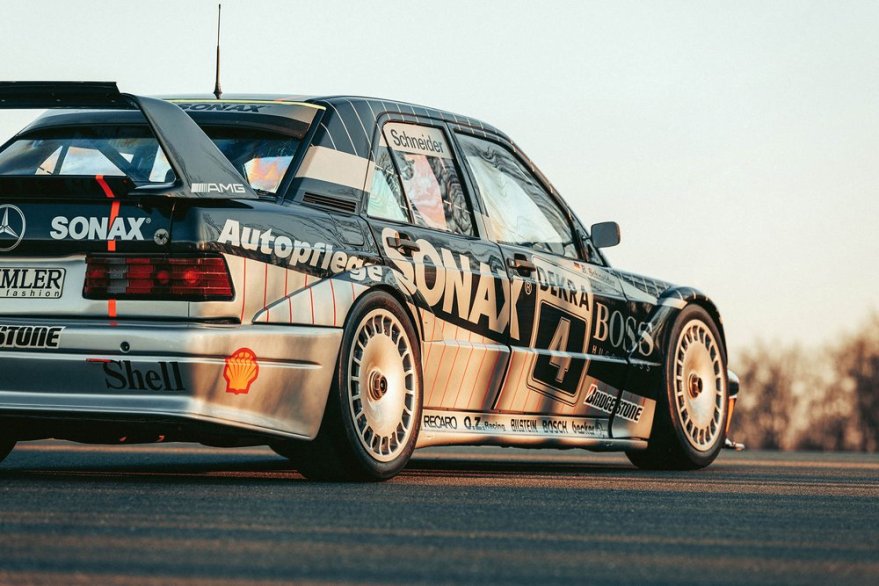
For the ’92 season, Mercedes-Benz decided to recruit Bernd Schneider to join Ludwig, Keke Rosberg and Ellen Lohr as AMG’s four-car “super team”. By this point, the 190E had become the now infamous ‘Evo II’ model. This version of the 190E was striking, to say the least.
With deep front and rear bumpers, a wider track & big wheels that sit under widened arches and a rear wing that would make a Subaru Impreza jealous, the 190E Evo II was the ultimate version of an already fantastic car. True eighties excess in all of its glory.
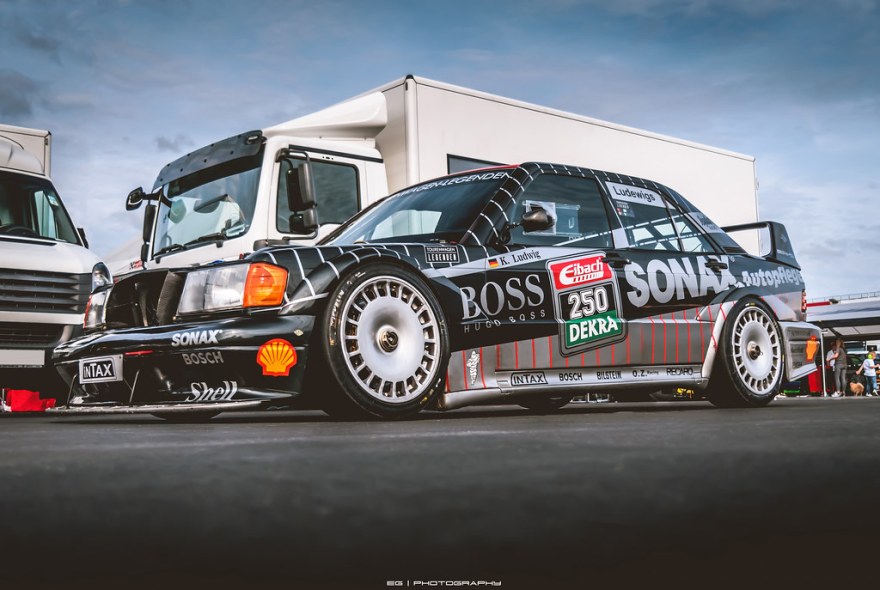
Powered by a 2.5 16v 4-cylinder engine putting out about 330bhp, the Evo II could hit 185mph in race trim. This made it one of the fastest cars on the grid at the time. The Evo II was so successful on track that it soon started a rivalry between BMW and Mercedes-Benz fans the world over. BMW and Mercedes-Benz believed they had the motorsport on lock at one point. Still, there was also one particular manufacturer that had a very successful multi-decade motorsports history that was about to cause absolute chaos on the grid. The manufacturer in question?! Well, that was Ford of course!
Ford has had a rich history of creating lightweight but incredibly quick race cars over the years. during the 1960s, they decided to take the humble Cortina model from their lineup and send it to Lotus Cars so that they could tweak it for race use and thus the Lotus Cortina was created. The Cortina soon became one of the most successful race cars of Its period and soon paved the way for even quicker and even more lairy race cars to succeed it. During the 1980s, Ford decided to use the then-new Ford Sierra as its base for true world domination and boy did they succeed.
Starting in 1985, the Sierra started to make waves in touring car races under the guise of Andy Rouse. Andy was a very competitive driver in the BTCC Championship during the eighties and in 1985 he decided to pilot a Merkur XR4Ti in the hopes that something good could come out of it and boy was he onto something. The Merkur variant of the Sierra wasn’t actually sold in Europe under that badge so the ’85 race car was an import that was brought over from America to go racing.

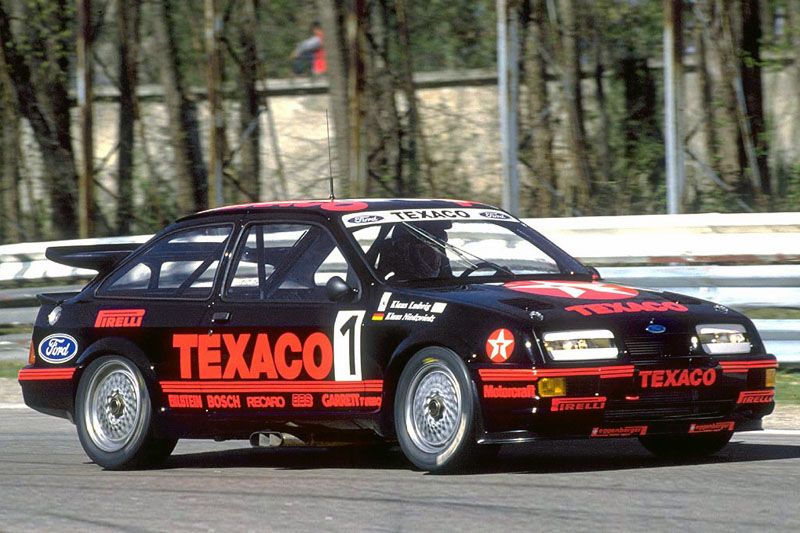
The Merkur race car soon became very successful, and Ford themselves started to take notice of the prowess the humble Sierra was capable of. This caused Ford to go full steam ahead both in marketing and in setting up factory race cars. The outcome of all this birthed one of the most notable road and race cars of all time—the Ford Sierra RS Cosworth!
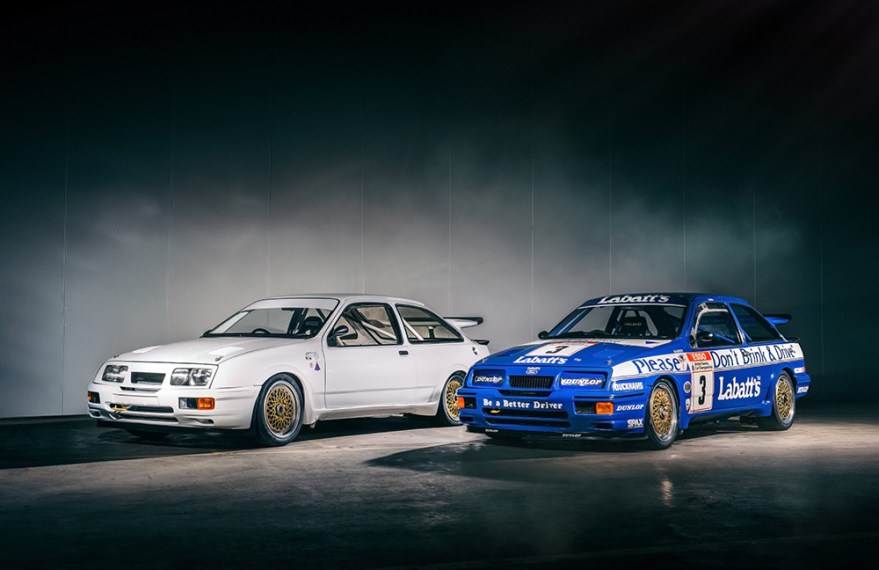
Now, the Ford Sierra RS Cosworth doesn’t really need an introduction to anybody but if there is anyone out there who has never heard of such a legend, as the name suggests Ford Europe took a batch of their 2.0-litre four-cylinder ‘Pinto’ engines to Cosworth in the UK to create one of the best performing four-cylinder engines to ever exist – the Cosworth YB! This engine might have come from humble beginnings but with the know-how of Cosworth and their mechanical know-how alongside the use of a turbocharger the size of a dustbin lid, the RS Cosworth was born to rip up every single rulebook that was ever created.
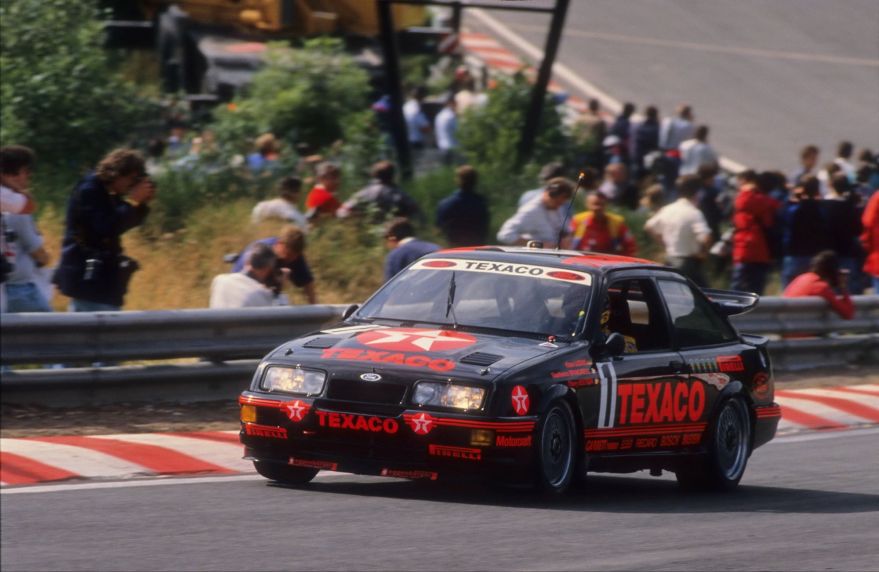
To go racing, Ford Europe decided to make a hardcore, race-ready version of the regular RS Cosworth that was built with the intent of going racing. They decided to call the Homologation car the Sierra Cosworth RS500. If the regular Cosworth was considered to be an absolute weapon then the RS500 was an absolute force to be reckoned with. Power was upped from 205 bhp to 225 bhp which might not sound like much but for the eighties that was a significant boost. This was done by fitting a larger T04 turbocharger, thicker and more durable cylinder walls in the block of the actual engine itself as well as other goodies like a larger air-to-air intercooler, an upgraded oil cooler system, an upgraded fuel pump & injectors and a reworked induction system to name a few.

This meant that when it came to the race cars, they were putting well over 500bhp through the rear wheels. That’s a lot when you remember that these cars didn’t have any driver-aids whatsoever and were as light as possible. The only thing you had to keep the car on track was the aerodynamics and the massive cahonies of the drivers that used to pilot these things. A truly different era of motorsport.
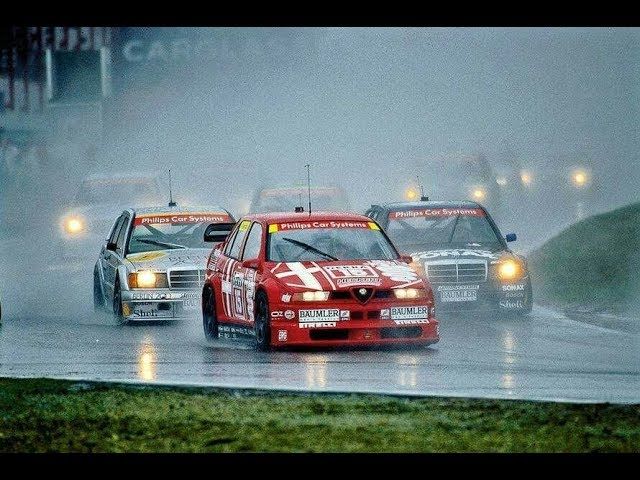
By the nineties, a lot of manufacturers who were already known for taking part in other types of motorsports were starting to take notice of the DTM races series. Three of these manufacturers were Audi, Alfa Romeo & Opel. With technology becoming more and more apparent, these three companies decided to push the boundaries even further than those who were already competing during the eighties.

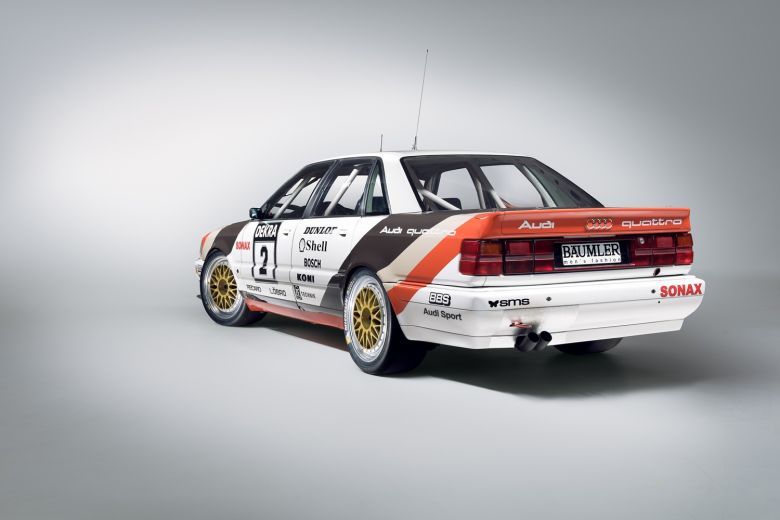
Audi entered the scene in 1990 with a racing variant of their V8 Sport Quattro. Powered by a 3.6 V8 engine, this was a completely different animal from the turbocharged cars of the era. Even so, it didn’t take long for the Audi to prove itself with its advanced for-the-time technology and AWD system. Even though it faced fierce competition from the BMW M3 and the 190E Evo II, the Audi was a lot more stable and with its V8 powertrain could easily keep up and even outperform the rivals.
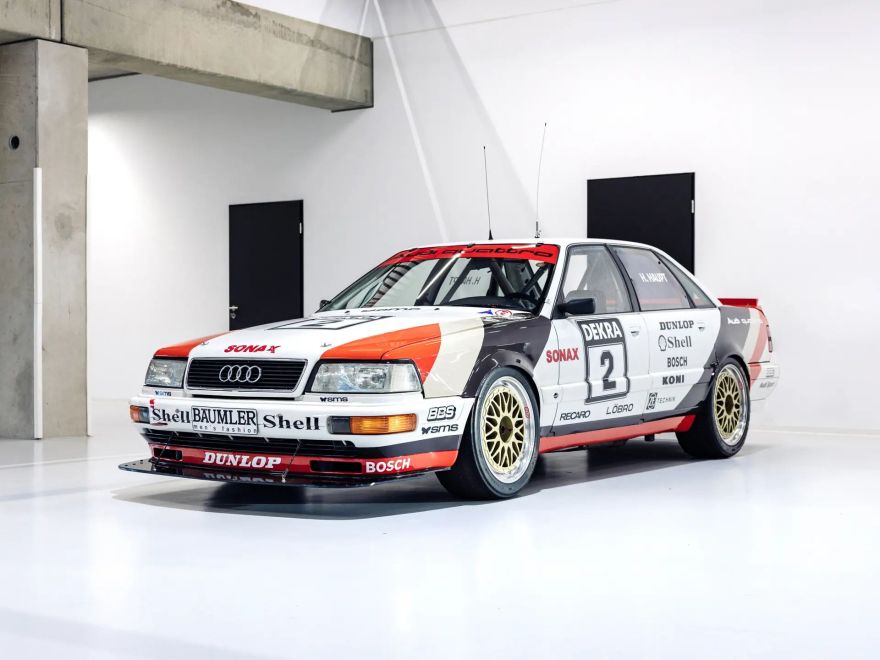
No surprise really when you remember that Audi had completely torn apart the Group B rally era of racing with their infamous UR Quattro. If anyone was going to show the other teams who was boss then it had to be Audi. The thing is though, Audi wasn’t the only one who had come from the rally scene and then transferred to the touring car scene and had massive success.
The guys at Opel decided that they wanted to be a part of the action too. Now just like Audi, Opel had also had a lot of history in the world of rallying with both the Manta and the Kaddett. However, unlike Audi, Opel and their UK sister company Vauxhall had a lot of experience on race tracks as well with both the MK2 Astra & the MK3 Cavalier respectively being very competitive in the UK.
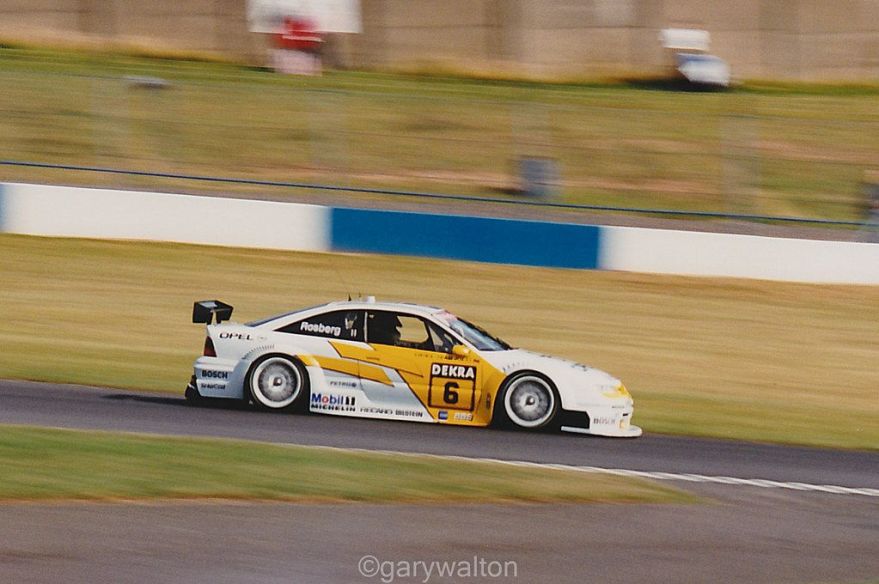
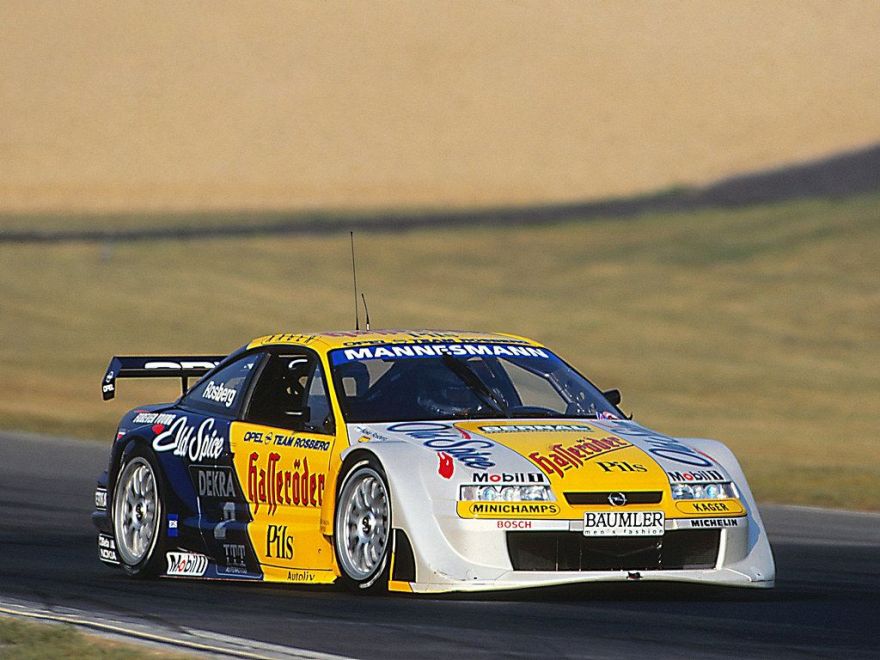
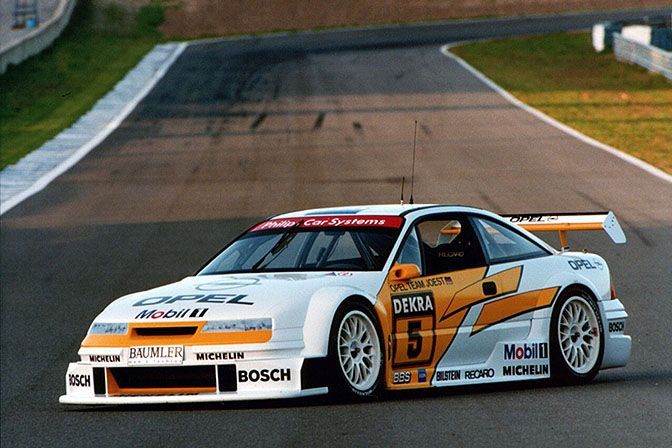
For the DTM series, Opel decided to use the very pretty Calibra V6 as the basis for their latest track monster and by god was it good. The standard road car was a brilliant bit of kit and was once the most aerodynamic car in the world upon Its release in 1989. Upon its entry into DTM in 1993, the Calibra V6 DTM soon made a name for itself very quickly.
See, in 1993 the DTM series went through a lot of changes and one of those changes was the regulations. during the eighties, the DTM cars were all under Group A regulations which created incredible battles but by the end were seen as being out of control and had performance figures nowhere near their road-going counterparts. The Calibra on the other hand was one of the first cars to compete in the then-new Class 1 regulations.
Class 1 regulations were brought in to improve the competition and make it a level playing field compared to Group A, which would unite more fans and teams to the sport. To make the racing more competitive, engines were capped at 4.0 V8s that could put out anywhere between 450bhp-500bhp depending on track & setup. There was also a weight limit of anywhere between 1100kg-1200kg depending on configuration & track layout.
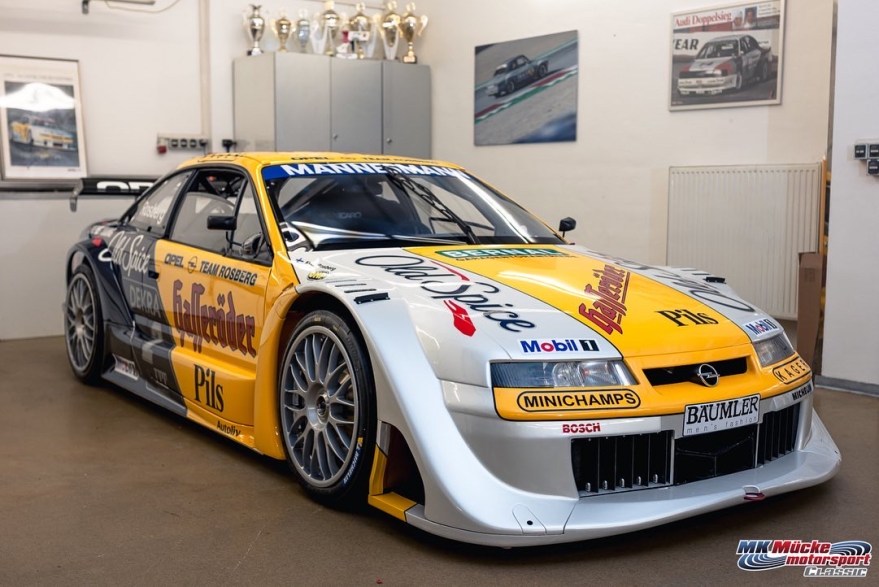
The Opel wound up bringing a lot of fans to DTM and it has become one of the most infamous race cars to ever compete in the series. With an AWD system similar to that of Audi’s Quattro system, the Calibra could put its power down even in the poorest of conditions. Add in the power from that mighty V6 engine and its ferocious power going through a 6-speed sequential gearbox and it was no surprise that it took the championship in 1996.

Now if you have got this far, you’ll notice that apart from Ford’s entry into the sport, the rest of the field has been full of German race cars from German manufacturers racing on, you guessed it, German race tracks. Because of this, you’d automatically assume that the DTM was a German-only motorsport but this wasn’t the case whatsoever.
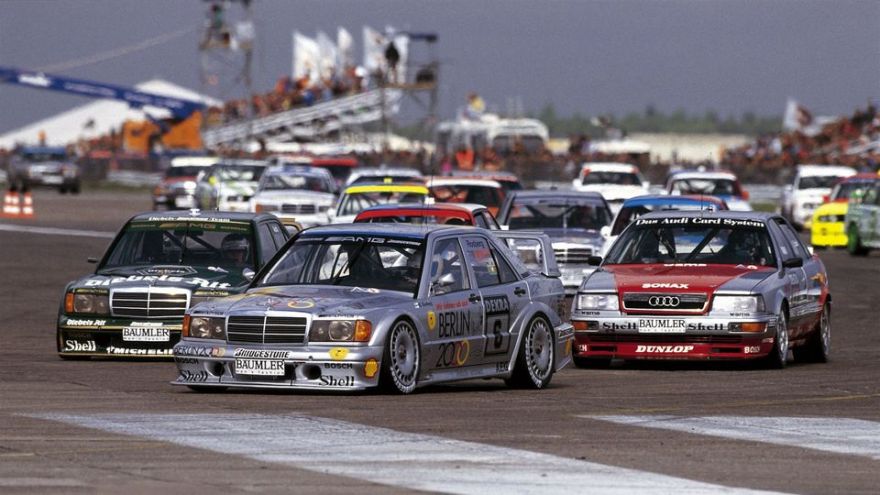
See, in 1993, just as the covers were coming off the Calibra DTM mentioned above, Alfa Romeo decided to get involved in the DTM series with an absolutely glorious version of their humble 155 saloon. Called the Alfa Romeo 155 V6 Ti, this stunning piece of machinery was the only non-German car to compete in the glory days of the DTM series.

Alfa Romeo was not here to piss about either because under that sleek bodywork was a 2.5 V6 engine shared with the road car albeit putting out somewhere between 420bhp-450bhp depending on configuration. Just like the Calibra, it was also competing under the Class 1 regulations and it was also AWD too. Just like Opel, Alfa Romeo also has a lot of motorsport history under their belt and they were also very competitive in touring car racing during the nineties. In BTTC especially, the Alfa’s were driven fast and hard and were always within the points. they also looked glorious and sounded as good as they looked.

The DTM car was a completely different kettle of fish though. Unlike its BTCC counterpart, the DTM car was turned up to 11 and then some. This was a fire-spitting monster that could easily turn a Ferrari F1 fan into an Alfa Romeo DTM fan. Even after 30 years since its introduction, the 155 V6 Ti DTM is still revered to be one of the best cars in the whole series.

By 1994, the team had fixed a lot of issues that the ’93 car had. At a similar time, Alfa Romeo started to employ very famous race car drivers into the team, with one of those drivers being Gabriele Tarquini. With Tarquini behind the wheel, it was a match made in Italian heaven. Here was a car that was made specifically for the championship it was competing in driven by one of the best race car drivers to ever do it working in tandem with one another. Tarquini could push the car on and on with every lap and the car didn’t even break a sweat.
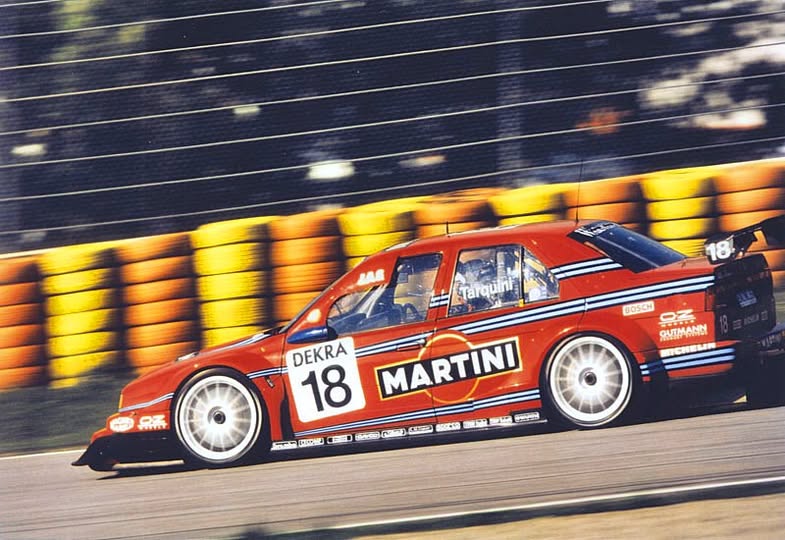
in 1995 and 1996, the car showed a solid performance on track with both Tarquini and Alessandro Nannini behind the wheel. the whole team and the cars in question brought a touch of Italian class into what was a very exciting but somewhat unknown racing series. Whilst the car couldn’t quite keep up with Mercedes-Benz during these seasons, the 155 was still a fan favourite amongst fans and its legacy still lives on today.
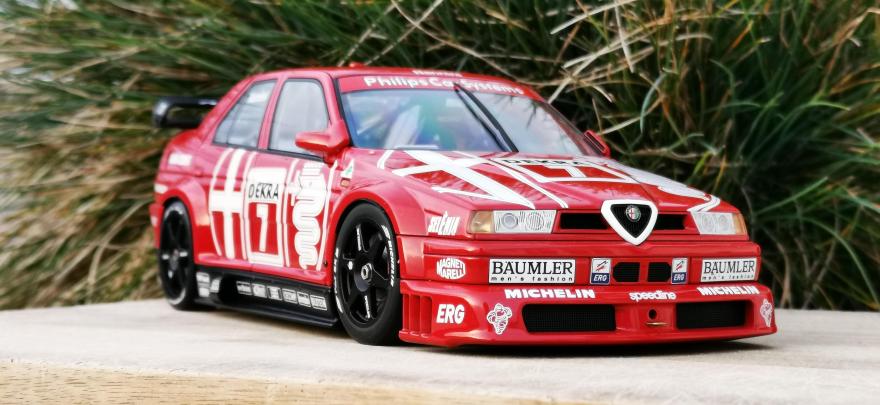
Unfortunately during the late nineties, the DTM series started to face a period of decline due to rising costs, regulation changes and a lack of competing manufacturers. this caused the discontinuation of the sport in 1996. The ITR who were in charge went back to the drawing board to come up with what we now know as the current DTM series. When the DTM series returned in the early ’00s, it was now called the Deutsche Tourenwagen Masters.
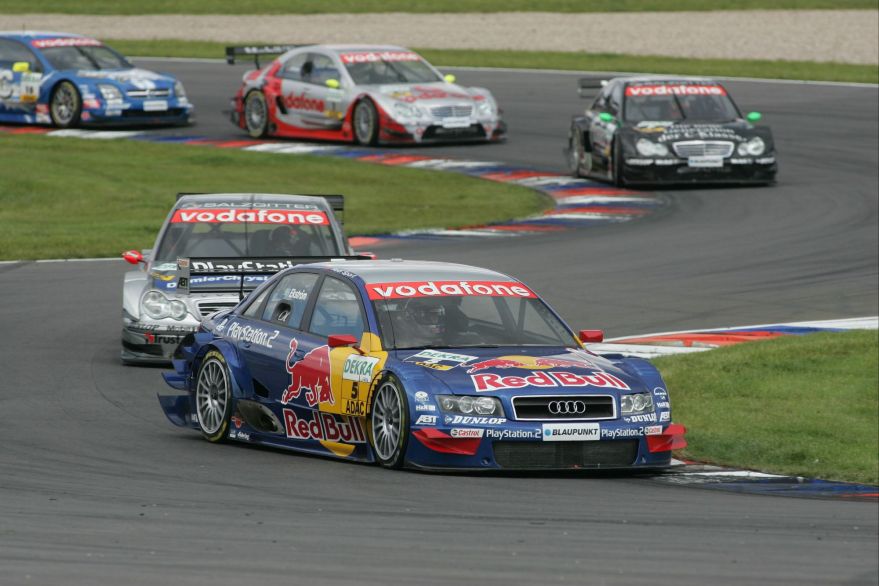
Even though there was a name change and a regulation change, the racing has been as competitive as ever and is now a staple of touring car racing. It might not have the character of the original DTM but the racing is still as exciting as it ever was. In its current form, it takes on more of a GT3 vibe albeit on German tracks but the racing and the atmosphere are still some of the best you’ll see around the world!
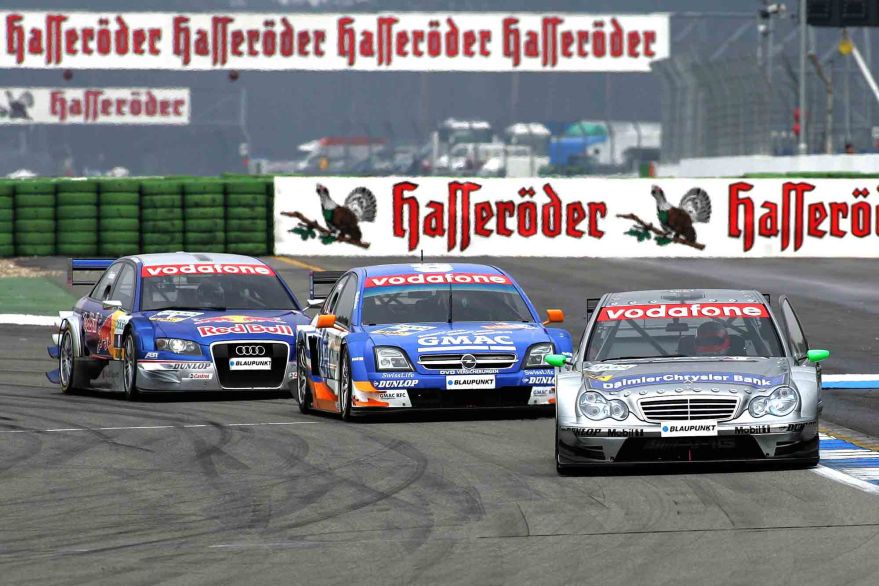
So here you have it. Here’s everything you need to know about one of the best racing series to ever exist during the heyday of motorsports. Many racing events and race series don’t always create wheel-to-wheel racing anymore due to driver regulations, team regulations and lately, even track limitations. If like me, you are an F1 fan, you’ll know exactly what I’m talking about. The original DTM series was different though. you had top drivers piloting some of the best cars from a plethora of top manufacturers on some of the most technical and dangerous tracks the world has to offer racing as close as humanly possible and whilst it was for a championship at the end of the year, it was also for our entertainment too. Racing will never be the same ever again!
Hope you Enjoy!
By Alex Jebson
 Forced Induction